


Key Findings
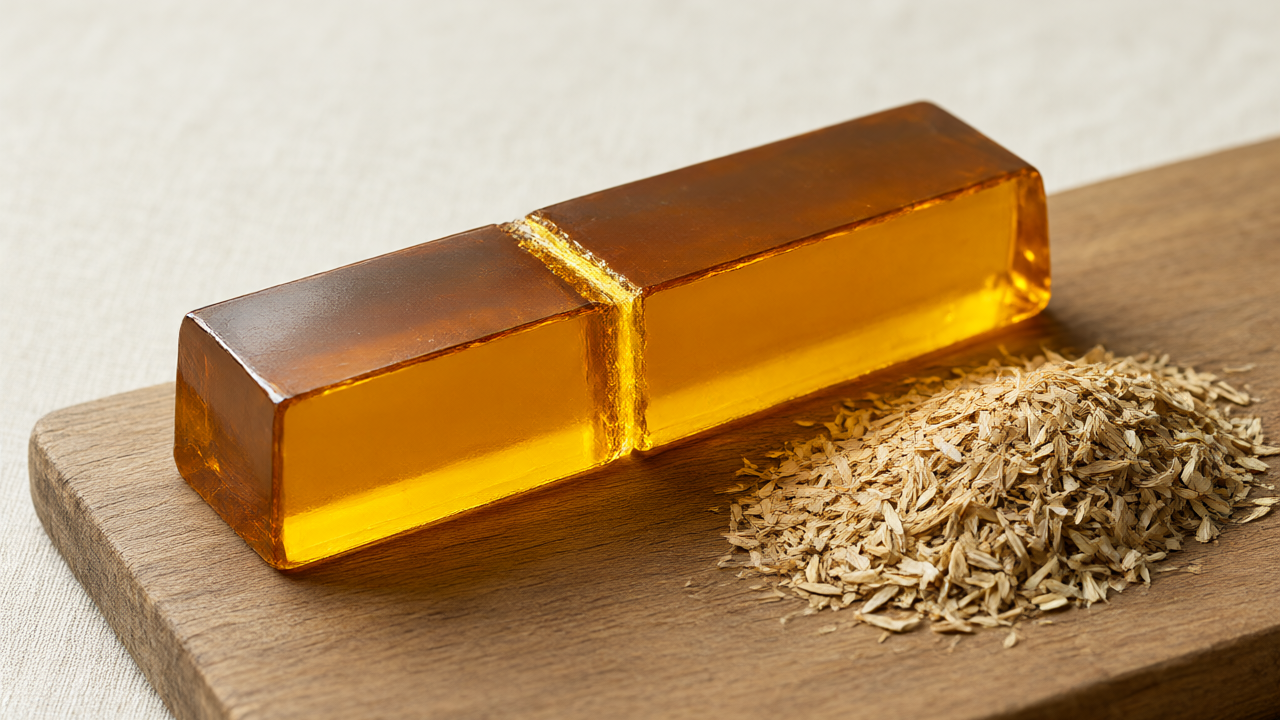
The optimized bio-based epoxy vitrimer, designated DGFB-1.0, demonstrated a tensile strength of 75.4 ± 2.3 MPa and a Young’s modulus of 512.5 ± 5.2 MPa. This performance exceeds the 10–65 MPa range typically reported for bio-based epoxy vitrimers and the 10–56 MPa range for furan-based vitrimers relying solely on β-hydroxy ester exchange. Regarding durability, DGFB-1.0 recovered 98.2% of its tensile strength after heating a surface groove at 90 °C for 60 minutes and retained 81.3% of its original strength after three cycles of cutting, hot pressing, and remolding.
Technical Details
The material utilizes a dual-bond network consisting of dynamic boronic ester and β-hydroxy ester bonds. The researchers synthesized diglycidyl furan-2,5-dicarboxylate (DGF) from 2,5-furandicarboxylic acid and created a crosslinker, di-BONH2, by reacting 3-aminobenzeneboronic acid with di-trimethylolpropane. Four formulations (DGFB-0.7 to DGFB-1.0) were tested, with bio-based carbon contents ranging from 25.0% to 29.4%.
- Thermal Stability: The 5% mass decomposition temperature for DGFB-1.0 was 286.7 ± 4.3 °C, with a heat-resistant index (Ts) of 163.3 ± 2.1 °C.
- Glass Transition: Tg values ranged between 62.8 and 72.7 °C.
- Stress Relaxation: At 120 °C, DGFB-1.0 exhibited a stress-relaxation time of 11 seconds, with an activation energy of 28.3 ± 0.7 kJ mol−1.
- Chemical Resistance: Swelling tests showed the materials remained insoluble after seven days in solvents including DMSO, DMF, methanol, acetone, ethyl acetate, and THF.
Background & Context
Conventional epoxy thermosets form permanent crosslinked networks that provide high stiffness and chemical resistance but cannot be remolded or chemically recovered. Epoxy vitrimers address this by incorporating dynamic covalent bonds that exchange under specific conditions. The integration of boronic ester exchange—which is catalyst-free and operates at moderate temperatures—with β-hydroxy ester exchange was intended to reduce the high-temperature and catalyst requirements common in ester-only vitrimers.
Significance & Outlook
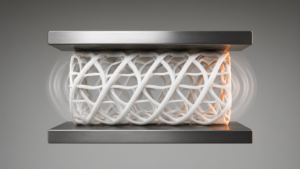
The dual-bond design allows the network topology to rearrange without dissolving, combining the mechanical robustness of traditional thermosets with the recyclability of thermoplastics. The results indicate that increasing crosslink density and aromatic-ring content directly correlates with higher strength and stiffness, though it reduces elongation at break.
Source: https://bioengineer.org/dual-dynamic-bonds-yield-strong-self-healing-bio-based-epoxy-vitrimers/
Get our weekly technology intelligence — free
Receive an infographic that lets you judge at a glance whether each field’s analysis report is worth reading.
Subscribe Free — Weekly Tech Intelligence
By subscribing, you’ll receive Troy-Technical’s weekly technology intelligence newsletter.
- Your email and selected fields are used only to deliver the newsletter.
- We never share your information with third parties.
- You can unsubscribe anytime via the link in each email.
See our Privacy Policy for details.
Takes about a minute · Unsubscribe anytime