


Key Findings
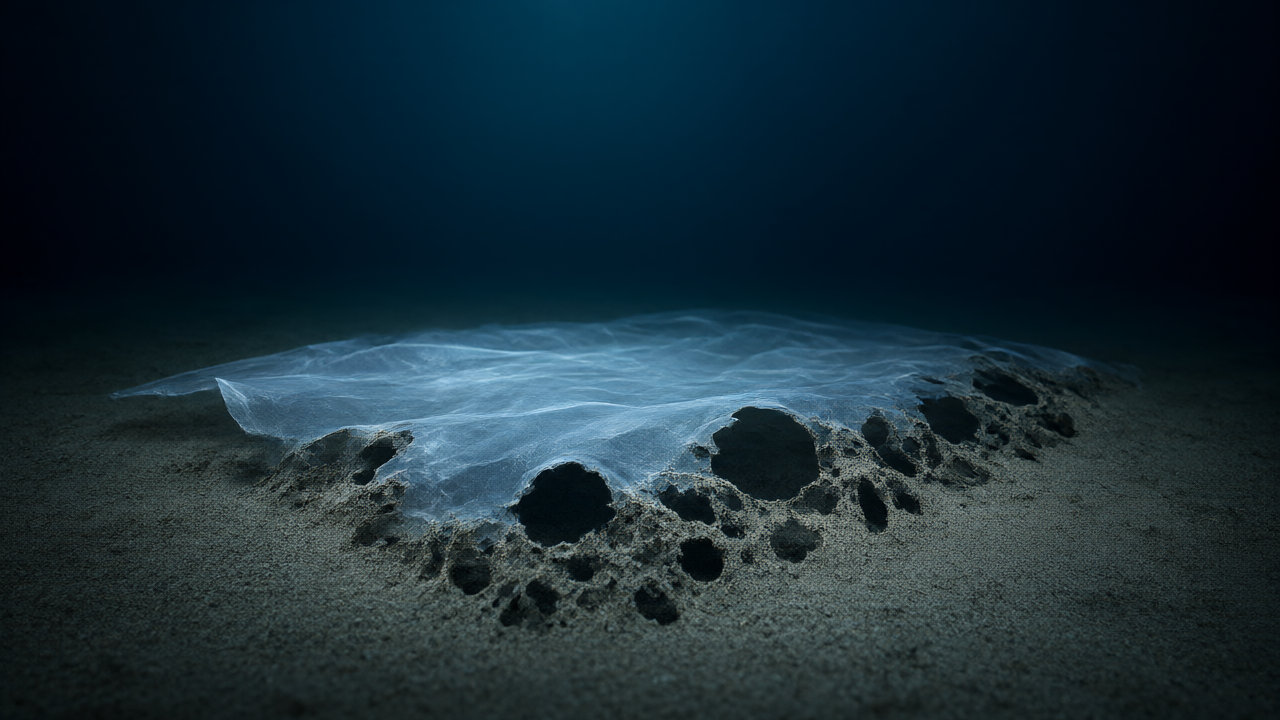
Enzyme-embedded compostable polyesters demonstrate accelerated biodegradation across diverse marine environments, including extreme deep-sea conditions. Research shows that these materials achieved near-complete degradation at a depth of 757 m within 5 months. Furthermore, moderate biodegradation was observed on deep-sea floors at depths of 5,503 m. In coastal seawater (2–6 m), films containing trace amounts of enzyme (0.1 wt%) underwent rapid degradation.
Technical Details
The study utilized a thermal embedding strategy using twin-screw extrusion at temperatures between 90 °C and 130 °C. Two specific enzymes—Candida antarctica lipase B (CaLB) and Humicola insolens cutinase (HiC)—were selected for their broad hydrolytic activity and high thermal stability in freeze-dried form. These enzymes were embedded into four types of compostable polyesters:
- Poly(butylene succinate) (PBS)
- Poly(butylene succinate-co-adipate) (PBSA)
- Poly(ε-caprolactone) (PCL)
- Poly(butylene adipate-co-terephthalate) (PBAT)
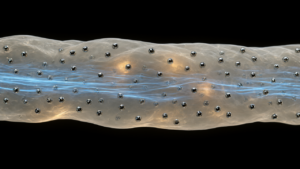
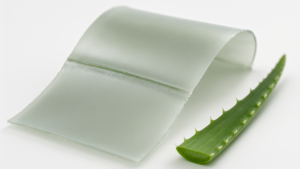
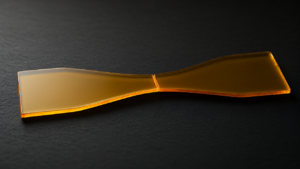
The process produced both thin films (100–300 μm) and microbeads (20–300 μm in diameter). Chemical analysis confirmed the formation of low-molecular-mass degradation products, and biochemical oxygen demand measurements supported the mineralization of the materials. Notably, the mechanical properties of the enzyme-embedded polyesters remained similar to those of enzyme-free versions.
Background & Context
While commercially available compostable plastics degrade efficiently under industrial composting conditions (characterized by high humidity, microbial activity, and elevated temperatures), their degradation in marine environments is often limited. In the deep sea, low temperatures and a lack of viable microorganisms typically cause these polyesters to persist. Previous enzyme-embedding research was limited to laboratory or closed-system incubations; this study evaluates in situ performance in natural marine environments.
Significance & Outlook
This strategy enables the marine degradation of compostable polyesters that were previously regarded as persistent in the ocean. By maintaining material performance while enhancing biodegradability, this approach broadens the range of candidate materials capable of addressing global marine plastic accumulation.
Source: https://www.nature.com/articles/s41586-026-11192-1
Get our weekly technology intelligence — free
Receive an infographic that lets you judge at a glance whether each field’s analysis report is worth reading.
Subscribe Free — Weekly Tech Intelligence
By subscribing, you’ll receive Troy-Technical’s weekly technology intelligence newsletter.
- Your email and selected fields are used only to deliver the newsletter.
- We never share your information with third parties.
- You can unsubscribe anytime via the link in each email.
See our Privacy Policy for details.
Takes about a minute · Unsubscribe anytime