


Key Findings
A study published in Nano Research on August 7, 2026, demonstrates a membrane capable of separating lithium from magnesium in low-quality brines. In a simulated three-stage nanofiltration sequence, the membrane achieved a magnesium rejection rate of 99.53%. This result indicates that low-quality brines can be effectively upgraded into higher-quality lithium sources.
Technical Details
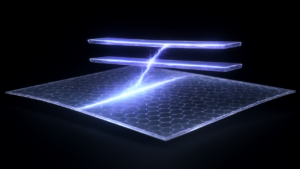
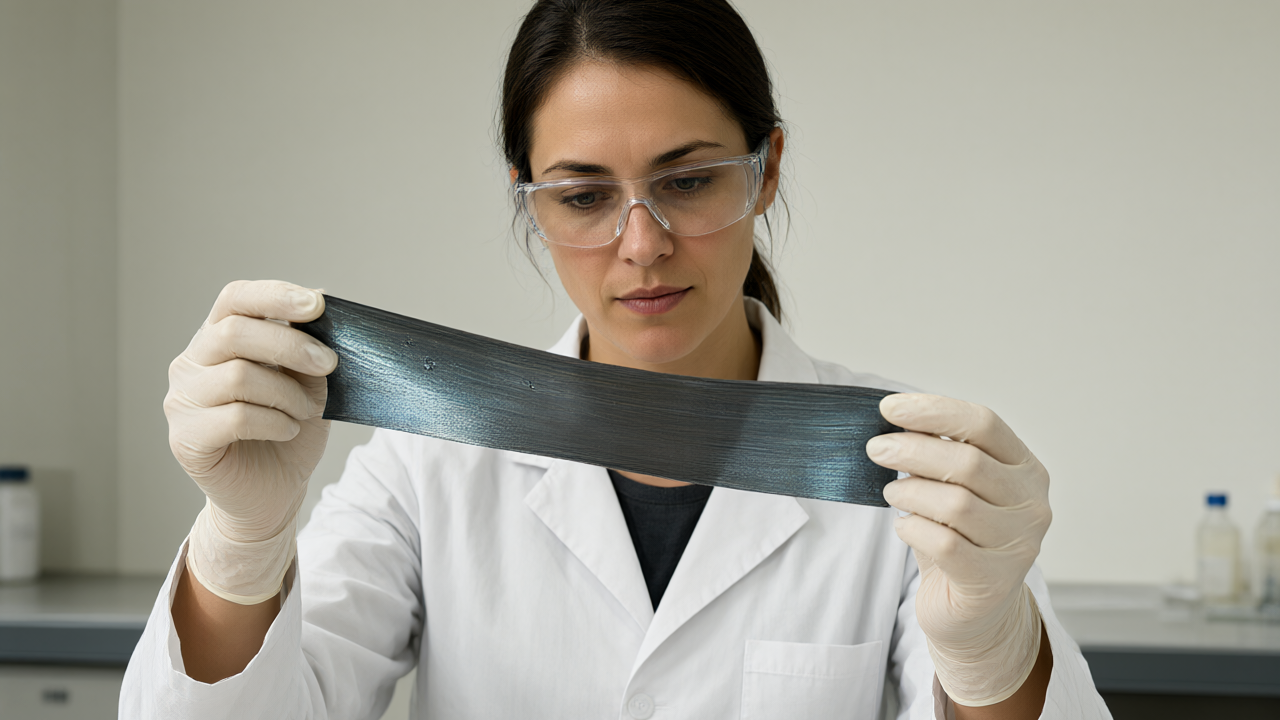
The research team, led by Yang Su at Tsinghua University, developed a positively charged, two-dimensional membrane by intercalating polyelectrolyte into graphene oxide. The material underwent mild thermal treatment to crosslink the structure in situ, which stabilized the membrane and allowed for the tuning of interlayer nanochannels.
The separation process relies on a “counter-ion controlled” mechanism:
- Size-Exclusion: Charged channels promote the passage of lithium ions while restricting magnesium ions.
- Channel Regulation: Chloride ions from the surrounding solution adsorb onto the positively charged channel walls, narrowing the effective width of the nanochannels and strengthening the separation based on hydrated ion dimensions.
- High-Concentration Effects: At high salt concentrations, a counter-ion exchange process involving chloride within magnesium’s hydration shell may reduce magnesium’s effective hydrated size, leading to a moderate decline in ion rejection.
Background & Context
Low-quality brines are abundant but difficult to exploit because hydrated lithium and magnesium ions have comparable sizes. The high magnesium-to-lithium ratios typically found in these sources constrain the recovery of lithium, despite rising demand driven by renewable-energy technologies.
Significance & Outlook
The study provides evidence that ionic transport under nanoconfinement is influenced by both membrane structure and solution chemistry, rather than nominal channel dimensions alone. While the results are promising, the researchers noted that the multistage outcome was based on a simulated process rather than a full-scale industrial operation. Future deployment will require further evaluation across varying operating conditions and brine chemistries.
Source: https://bioengineer.org/counter-ions-enable-selective-lithium-extraction-from-low-quality-brines/
Get our weekly technology intelligence — free
Receive an infographic that lets you judge at a glance whether each field’s analysis report is worth reading.
Subscribe Free — Weekly Tech Intelligence
By subscribing, you’ll receive Troy-Technical’s weekly technology intelligence newsletter.
- Your email and selected fields are used only to deliver the newsletter.
- We never share your information with third parties.
- You can unsubscribe anytime via the link in each email.
See our Privacy Policy for details.
Takes about a minute · Unsubscribe anytime