Key Findings
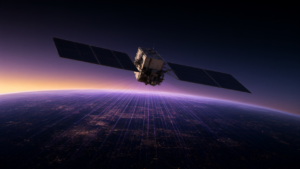
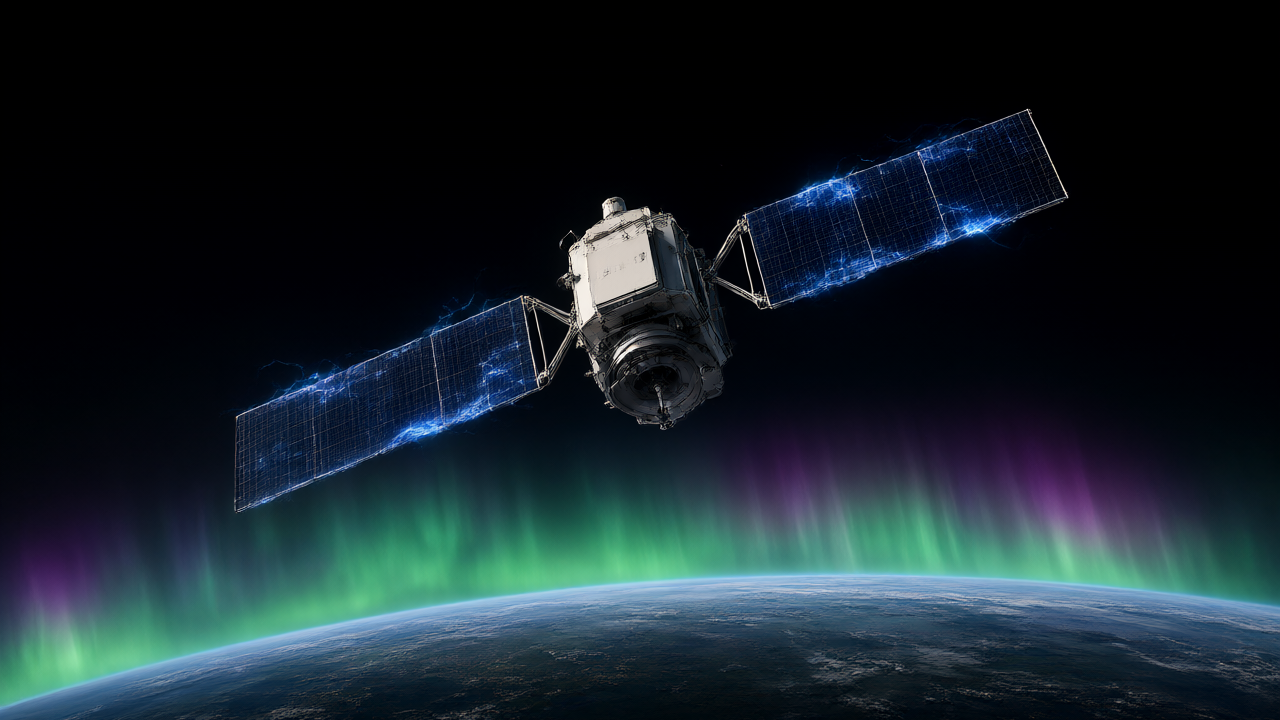
A research group from Kyushu Institute of Technology and JAXA has developed a method to automatically detect satellite surface charging using artificial intelligence. By applying this system to observation data from the U.S. military weather satellite DMSP F16 spanning 2005 to 2023, the team identified approximately 3,000 charging events. The analysis revealed that while high-energy electrons causing auroras increase satellite charging, the inflow of positive ions within the surrounding ionospheric plasma acts to suppress negative charging.
Technical Details
The detection system utilizes a Convolutional Neural Network (CNN), a type of AI typically used for image recognition, to automate the identification of charging phenomena. This replaces previous manual methods where human operators had to visually verify charging candidates extracted from observation data, a process that was too labor-intensive for long-term statistical analysis. The study quantitatively demonstrated that the intensity of satellite charging is determined by the balance between auroral electrons and the surrounding plasma.
Background and Context
Unlike ground-based electrical equipment, satellites cannot be grounded. Consequently, electrons in space can accumulate on the satellite surface. If significant potential differences develop between different areas of the surface, electrostatic discharges (sparks) can occur. These discharges pose a risk to satellite operations by potentially damaging surface materials and solar cells.
Significance and Outlook
The research, published in the journal “Space Weather” on October 27, 2026, provides a foundation for predicting the specific times and locations where satellites are most prone to charging. The research group intends to expand their analysis to previous periods of higher auroral activity to further refine these predictions. As the number of satellites in low Earth orbit increases for communication and Earth observation, this AI-driven detection method will support the design of charging-resistant satellites and the implementation of operational strategies to avoid hardware failure.
Source: https://news.yahoo.co.jp/articles/2323eb3c3b2d87c4dfd1c6fff550d8c158185aa0
Get our weekly technology intelligence — free
Receive an infographic that lets you judge at a glance whether each field’s analysis report is worth reading.
Subscribe Free — Weekly Tech Intelligence
By subscribing, you’ll receive Troy-Technical’s weekly technology intelligence newsletter.
- Your email and selected fields are used only to deliver the newsletter.
- We never share your information with third parties.
- You can unsubscribe anytime via the link in each email.
See our Privacy Policy for details.
Takes about a minute · Unsubscribe anytime