Key Findings
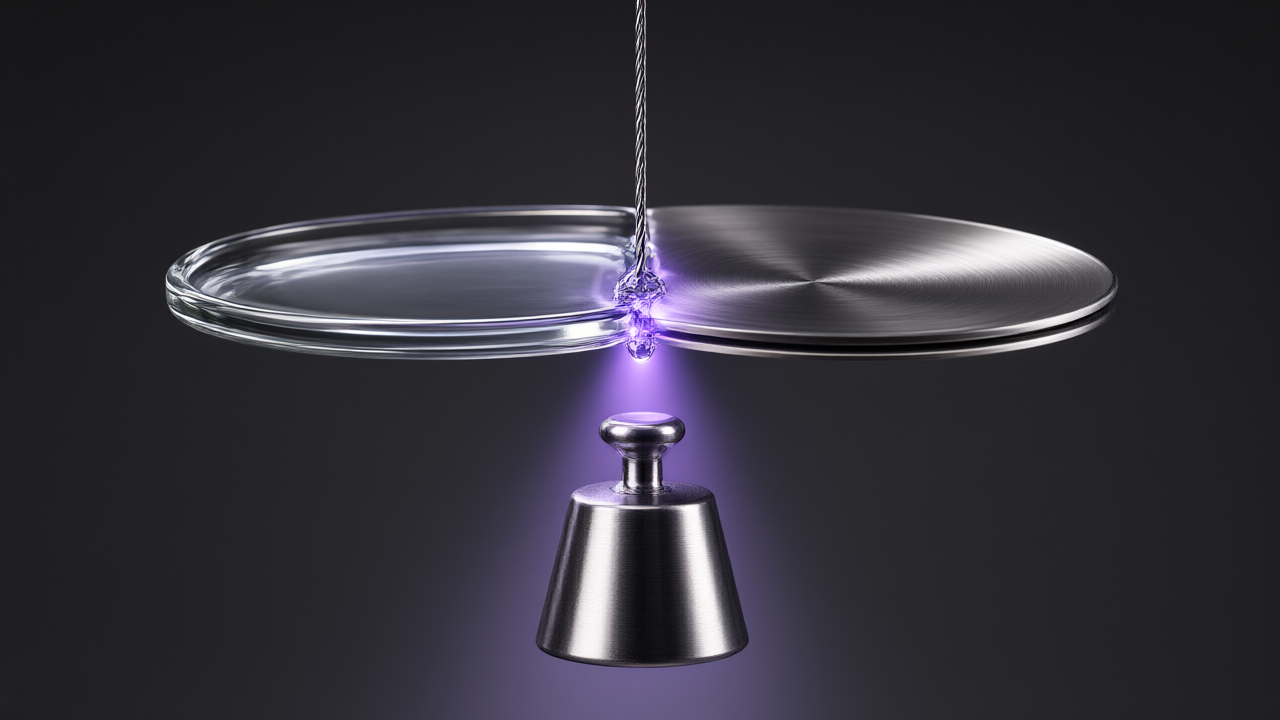
A research team led by polymer chemist Tae-Lim Choi at ETH Zurich has successfully produced a high-performance adhesive from used polyolefins, specifically polyethylene and polypropylene. In load tests, 13 milligrams of this adhesive were sufficient to lift a weight of 20 kilograms. The material demonstrates strong adhesion to metal, glass, and wood, with shear tests on aluminum showing strength significantly exceeding that of commercial hot-melt adhesives. In some cases involving glass samples, the glass broke before the adhesive bond failed.
Technical Details
The process, developed significantly by Hongsik Kim, utilizes chlorinated aromatic solvents and 390 nanometer violet light to initiate a chemical restructuring. The light reaction creates short-lived chlorine radicals that remove hydrogen atoms from the carbon chains of the plastic, creating active centers. Vinyl monomers then attach to these centers and grow into long polymer side chains. Specifically, a variant using poly(N-ethylacrylamid) side chains provided superior adhesion by introducing polar groups to the naturally non-polar surface of the polyolefins.
To ensure stability, the team balanced the radical concentration via solvent choice and wavelength; excessive radical formation would damage or cross-link the main chains, while insufficient activation would prevent side chain growth. The resulting adhesive achieved a strength of 13.4 Megapascal.
Background & Context
Unlike traditional pyrolysis, which uses heat to break plastics down into smaller hydrocarbons for raw material reprocessing, this method preserves the existing polymer as a supporting structure. This “targeted functionalization” differs from other recycling methods that convert plastic waste into hydrogen. While some existing research focuses only on surface treatment, the ETH Zurich process allows polymer chains to grow throughout the entire dissolved starting material.
Significance & Outlook
The process has been scaled beyond tiny samples to a double-digit gram range, proving that light can penetrate the reaction mixture due to the optical properties of the solvent. The method requires no metal catalysts or specialized radical starters. However, the industrial application depends on the safe management and recovery of chlorinated solvents. Initial tests show the adhesive is robust, retaining 88 percent of its adhesive strength after water exposure.
Get our weekly technology intelligence — free
Receive an infographic that lets you judge at a glance whether each field’s analysis report is worth reading.
Subscribe Free — Weekly Tech Intelligence
By subscribing, you’ll receive Troy-Technical’s weekly technology intelligence newsletter.
- Your email and selected fields are used only to deliver the newsletter.
- We never share your information with third parties.
- You can unsubscribe anytime via the link in each email.
See our Privacy Policy for details.
Takes about a minute · Unsubscribe anytime