
Key Findings
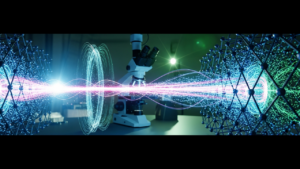
Scientists have developed a technique using neutrons to visualize how ions affect each other’s movements within a solid material. The study revealed that ions do not always move independently; instead, they can move together in patterns that either facilitate passage or create microscopic “traffic jams” that hinder the flow of charge.
Technical Details
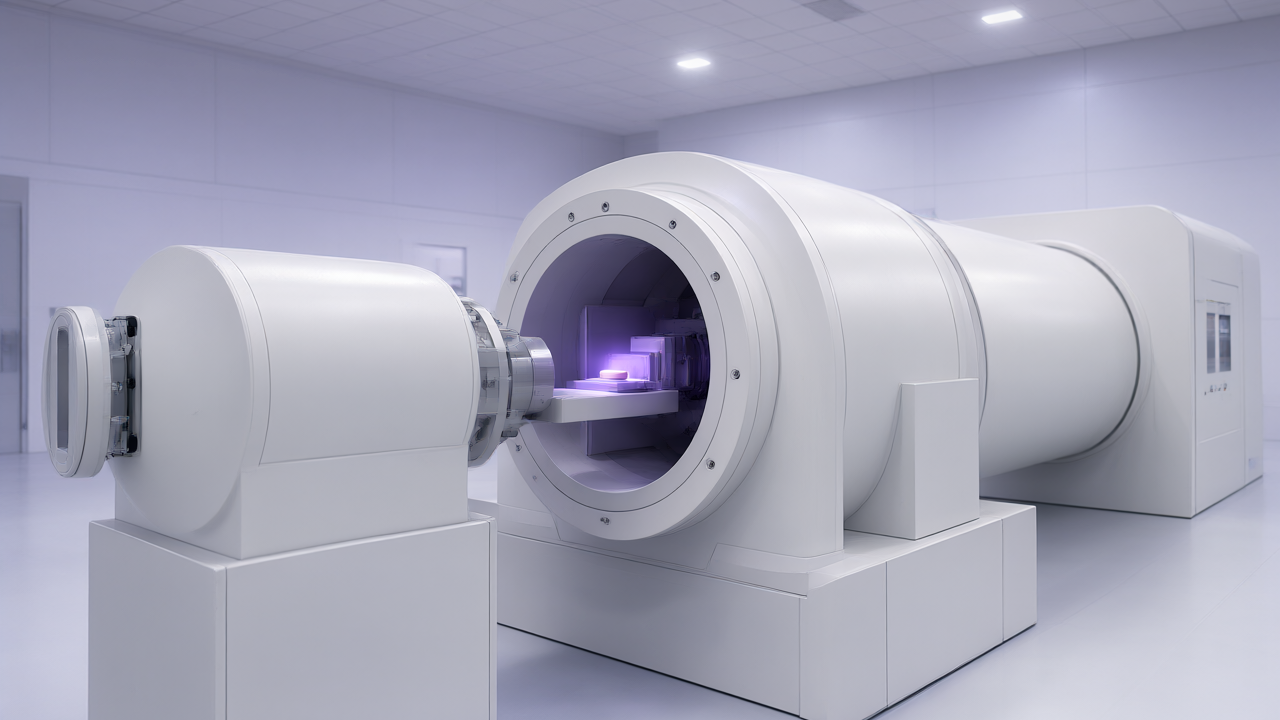
The research team, led by Argonne National Laboratory, conducted experiments at Oak Ridge National Laboratory’s Spallation Neutron Source. They used a crystal of strontium chloride as a test material because its ion-hopping behavior is well-documented, particularly when heated above 1,200 degrees Fahrenheit.
- Methodology: The team aimed neutrons at the crystal and measured the resulting scattering. By rotating the crystal during data collection, they captured a comprehensive record of scattering across different directions.
- Data Integration: This approach allowed researchers to combine three dimensions of motion-related information with energy transfer measurements.
- Analysis: The process generated significantly more data than standard scattering measurements, requiring powerful neutron sources and computing resources to isolate specific ion interactions.
Background & Context
Battery performance depends on the efficiency of ions traveling through an electrolyte. While many current batteries use liquid electrolytes, solid-state batteries require solid electrolytes that provide fast enough routes for ions to ensure the battery functions effectively.
Significance & Outlook
This discovery highlights a critical distinction in material design: two solids may appear to offer similar routes for a single, isolated ion, but they will exhibit different charge movement rates if the ions hinder or help each other when moving in large numbers. While this study used strontium chloride as a proxy and did not build a working battery, applying this method to practical solids will allow scientists to verify if their models accurately capture the movements that determine charge conduction in next-generation batteries.
Get our weekly technology intelligence — free
Receive an infographic that lets you judge at a glance whether each field’s analysis report is worth reading.
Subscribe Free — Weekly Tech Intelligence
By subscribing, you’ll receive Troy-Technical’s weekly technology intelligence newsletter.
- Your email and selected fields are used only to deliver the newsletter.
- We never share your information with third parties.
- You can unsubscribe anytime via the link in each email.
See our Privacy Policy for details.
Takes about a minute · Unsubscribe anytime