

Key Findings
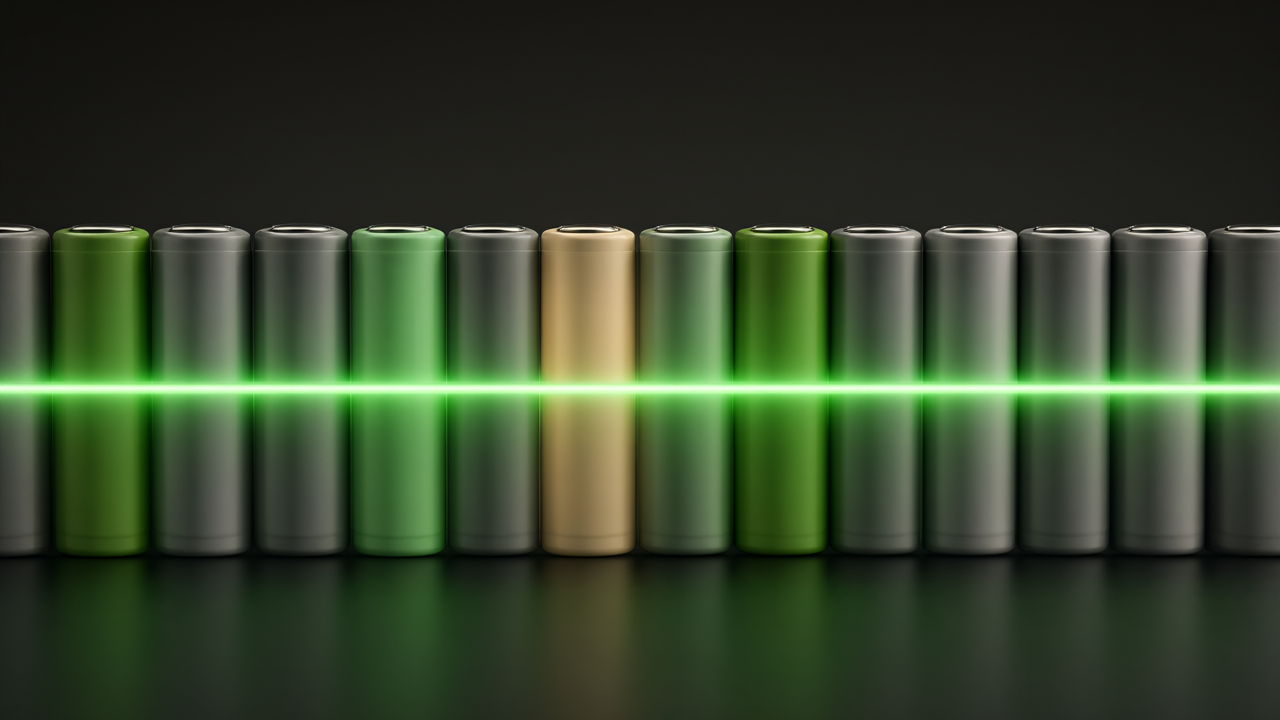
UNSW researchers in Sydney have developed a prototype diagnostic platform capable of assessing lithium-ion battery health in under three minutes per cell. The system is reported to be 95.5% faster and more than 80% cheaper than existing testing methods, with lab tests demonstrating over 90% accuracy. The researchers are targeting a cost of under AUD 25 per test.
Technical Details
The platform is designed to be compatible with existing management systems used by energy storage operators and recyclers. It supports the three primary lithium-ion chemistries used in energy storage and electric vehicles: lithium iron phosphate (LFP), nickel cobalt aluminum (NCA), and nickel manganese cobalt (NMC).
Unlike current testing methods, which require a full charge-discharge cycle taking approximately 10 hours, the UNSW prototype sends short electrical pulses through each cell and measures the response. Statistical models then estimate the battery’s health. This approach mitigates the risks associated with high-stress cycling in damaged batteries, such as overheating and fire.
Background & Context
Current industry testing costs approximately AUD 120 ($85) per EV battery pack. To move the technology toward commercial application, UNSW has partnered with DY New Energy, a Malaysia-headquartered lifecycle management company, on an AUD 1.3 million project. This collaboration involves testing the technology on more than 500 batteries under real-world conditions.
The project includes the development of a machine-learning decision engine to determine whether retired batteries should be reused or recycled. These insights will be integrated into a battery management system module called iBMS for real-time monitoring.
Significance & Outlook
The technology aims to support a circular battery economy by increasing the use of second-life batteries for grid and community energy storage. According to associate professor Huadong Mo, up to 95% of battery components can be recovered, though currently only a small fraction of lithium-ion batteries in Australia are collected for recycling. The project is supported by the Trailblazer for Recycling and Clean Energy (TRaCE) Lab to Market Fund.
Source: https://www.pv-magazine.com/2026/11/14/unsw-develops-three-minute-lithium-ion-battery-health-test/
Get our weekly technology intelligence — free
Receive an infographic that lets you judge at a glance whether each field’s analysis report is worth reading.
Subscribe Free — Weekly Tech Intelligence
By subscribing, you’ll receive Troy-Technical’s weekly technology intelligence newsletter.
- Your email and selected fields are used only to deliver the newsletter.
- We never share your information with third parties.
- You can unsubscribe anytime via the link in each email.
See our Privacy Policy for details.
Takes about a minute · Unsubscribe anytime