


Key Findings
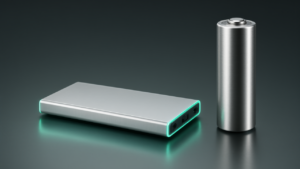
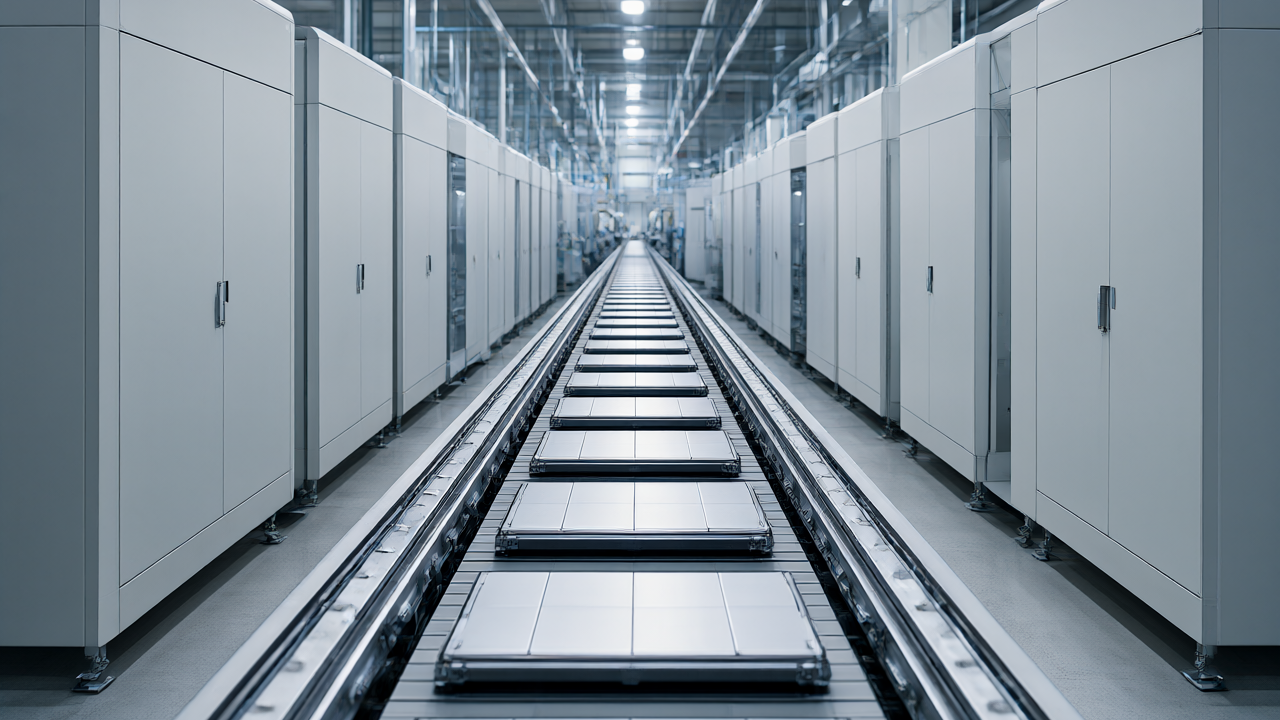
Gotion High-tech has transitioned from a 0.2 GWh all-solid-state pilot line to a 2 GWh mass production line, with plans for small-batch vehicle installation in 2027. The pilot line achieved a 90% battery cell yield using warm isostatic pressing (WIP) technology. Simultaneously, Changan Automobile has begun validating 20 Ah oxygen-polymer composite solid-state batteries, which feature energy densities exceeding 350 Wh/kg and electrolyte conductivity greater than 4.5 mS/cm, targeting 400 Wh/kg for 2027 demonstration operations.
Technical Details and Material Pricing
Material prices showed divergence between November 12 and November 19, 2026. Sulphide-route materials saw declines: battery-grade lithium sulphide averaged 1.25 million yuan/mt (down 10,000 yuan) and LPSC averaged 2.85 million yuan/mt (down 50,000 yuan). Conversely, oxide electrolytes edged up, with LATP averaging 127,500 yuan/mt. Lithium-rich manganese-based cathodes remained weak, with prices for high, medium, and low-voltage variants averaging 222,000, 171,500, and 153,000 yuan/mt respectively, each decreasing by 500-1,000 yuan/mt.
Industry Implementation and Context
Several companies are scaling production and diversifying applications:
- Easpring Technology: Expects its 60,000 mt high-nickel cathode base in Europe to partially commence production by year-end.
- WELION New Energy: Signed a strategic agreement with Yubang Power to apply hybrid solid-liquid and all-solid-state batteries to grid-side and energy storage markets.
- Guangdong Nuojia: Filed a 1.8 GWh consumer-grade semi-solid-state battery project in Yunfu with a 680 million yuan investment, slated for construction in January 2027.
- Nanjing Yanpo: Entered the environmental impact assessment stage for a 1 MWh-class sulphide project focusing on H₂S prevention and inert atmosphere control.
Significance and Outlook
The industry is currently navigating a tug-of-war between capacity release and market demand. While lithium-rich manganese-based materials are viewed as the long-term direction for cathodes, high-nickel ternary materials are considered a more realistic transitional solution. The shift from laboratory-scale cells to 20 Ah validation and GWh-scale lines indicates a move toward vehicle integration, though actual deployment depends on yield rates and equipment commissioning.
Get our weekly technology intelligence — free
Receive an infographic that lets you judge at a glance whether each field’s analysis report is worth reading.
Subscribe Free — Weekly Tech Intelligence
By subscribing, you’ll receive Troy-Technical’s weekly technology intelligence newsletter.
- Your email and selected fields are used only to deliver the newsletter.
- We never share your information with third parties.
- You can unsubscribe anytime via the link in each email.
See our Privacy Policy for details.
Takes about a minute · Unsubscribe anytime