Key Findings
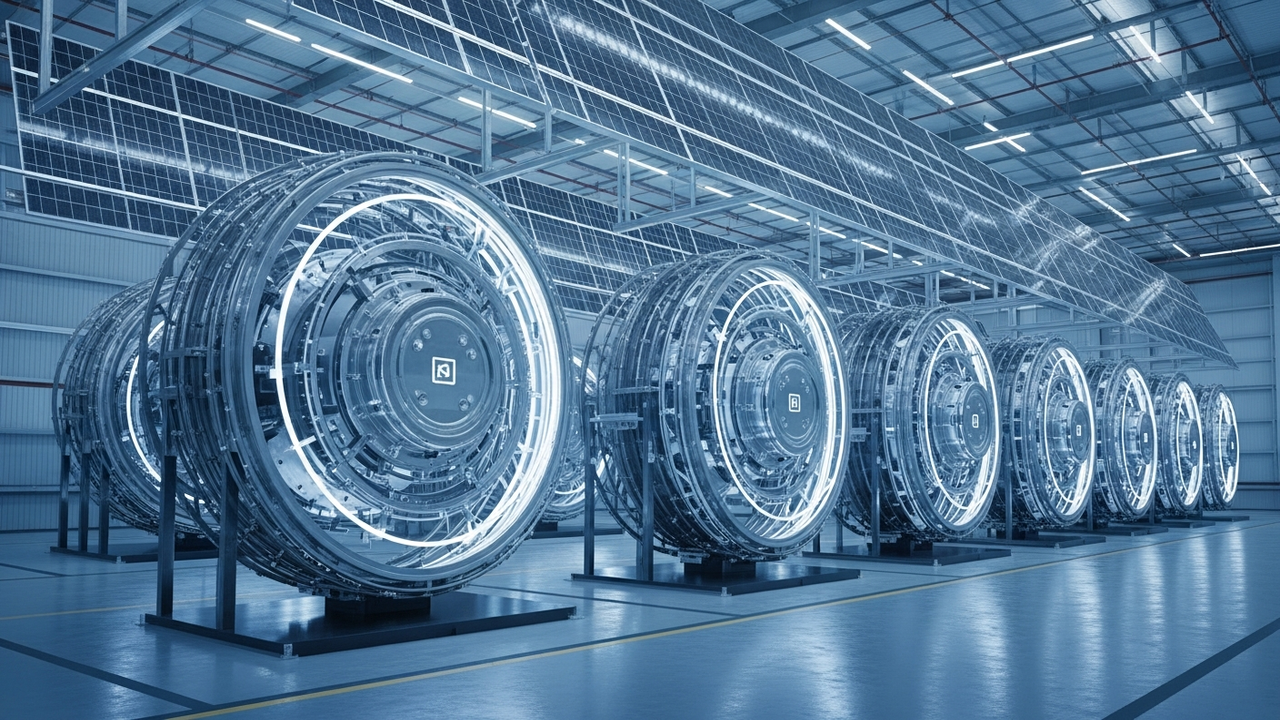
China has officially commissioned the ‘Rudong Integrated Solar-Hydrogen-Storage Project’ in Jiangsu Province, representing the nation’s largest facility of its kind. This groundbreaking project integrates a 400MW solar power plant, a 60MW/120MWh battery energy storage system, and an electrolysis unit capable of producing 482 tons of green hydrogen per year.
Technical & Operational Details
The Rudong project is engineered to provide a comprehensive solution for clean energy production and supply. The 400MW solar farm generates renewable electricity, which is then managed by the 60MW/120MWh battery storage system. This storage component plays a crucial role in stabilizing the intermittent solar power output, ensuring a consistent and optimal energy supply to the electrolyzers for green hydrogen production. The annual output of 482 tons of green hydrogen is strategically earmarked for industrial consumers within the Yangtze River Delta region, a major industrial hub with significant decarbonization requirements in sectors such as steel, chemicals, and refining. The project is anticipated to offset more than 300,000 tons of carbon dioxide emissions annually, making a substantial contribution to environmental sustainability goals.
Background & Context
As the world’s largest hydrogen producer, China is aggressively shifting its focus from fossil fuel-derived ‘grey hydrogen’ to green hydrogen produced from renewable sources. This integrated project in Rudong serves as a critical model for China’s broader energy transition strategy, addressing the dual challenges of expanding renewable energy deployment and decarbonizing heavy industry. The Chinese government views such projects as essential for enhancing energy security and achieving its ambitious carbon neutrality targets by 2060, demonstrating a commitment to scaled-up green hydrogen solutions.
Strategic Significance & Outlook
The successful activation of the Rudong project underscores China’s leadership in developing large-scale, integrated renewable energy and hydrogen systems. Its substantial CO2 reduction potential highlights the immediate environmental benefits and sets a precedent for future developments. This initiative is expected to catalyze further investment in similar integrated projects, particularly in regions abundant with renewable energy resources. Future expansions will likely involve the enhancement of hydrogen transportation infrastructure and the diversification of industrial applications, solidifying green hydrogen’s pivotal role in China’s evolving energy landscape and potentially influencing global hydrogen market trends.
Get our weekly technology intelligence — free
Receive an infographic that lets you judge at a glance whether each field’s analysis report is worth reading.
Subscribe Free — Weekly Tech Intelligence
By subscribing, you’ll receive Troy-Technical’s weekly technology intelligence newsletter.
- Your email and selected fields are used only to deliver the newsletter.
- We never share your information with third parties.
- You can unsubscribe anytime via the link in each email.
See our Privacy Policy for details.
Takes about a minute · Unsubscribe anytime