Key Findings
Insights from Wood Mackenzie’s Hydrogen Conference 2026 indicate a significant transition in the hydrogen sector from a long-standing “always on the cusp” perception to a phase of concrete action and demonstrable progress. A particularly striking finding is that refinery projects now constitute approximately two-thirds of the post-Final Investment Decision (FID) green hydrogen capacity in Europe.
Technical & Industry Details
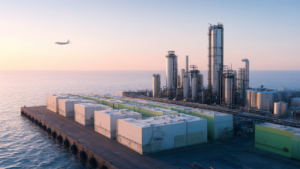
- The conference emphasized that European refineries are emerging as primary drivers for green hydrogen adoption, driven by decarbonization mandates and enhanced energy security objectives. This trend leverages existing hydrogen consumption patterns and infrastructure within the refining sector.
- Energy security has become a paramount policy driver, especially in Europe following geopolitical events, leading to a re-evaluation and increased focus on hydrogen as an alternative energy source.
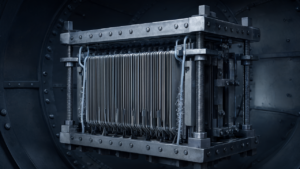
- The electrolyzer technology market is experiencing intense competition, fueled by technological innovation and economies of scale. Advancements are evident in both PEM and alkaline electrolyzer technologies, which are expected to contribute to reducing hydrogen production costs and accelerating broader adoption.
Background & Context
Hydrogen is considered indispensable for decarbonizing heavy industries, transportation, and power sectors. However, high production costs, infrastructure deficits, and demand uncertainty have historically impeded its large-scale deployment. The conference report suggests that specific industrial demand, coupled with policy tailwinds, is beginning to overcome these initial bottlenecks.
In Europe, initiatives like the REPowerEU plan have significantly raised domestic renewable hydrogen production targets, accelerating investment in related projects. This makes existing industrial facilities, such as refineries, crucial for generating initial green hydrogen demand and catalyzing market development.
Strategic Significance & Outlook
Wood Mackenzie projects continued steady progress for the hydrogen sector, with demand from established industries like refineries playing a vital role in early market formation. Ongoing technological advancements and sustained policy support are expected to further reduce electrolyzer costs and accelerate the build-out of the hydrogen ecosystem. However, long-term success will hinge on balancing supply and demand, further infrastructure development, and establishing robust international supply chains.
Get our weekly technology intelligence — free
Receive an infographic that lets you judge at a glance whether each field’s analysis report is worth reading.
Subscribe Free — Weekly Tech Intelligence
By subscribing, you’ll receive Troy-Technical’s weekly technology intelligence newsletter.
- Your email and selected fields are used only to deliver the newsletter.
- We never share your information with third parties.
- You can unsubscribe anytime via the link in each email.
See our Privacy Policy for details.
Takes about a minute · Unsubscribe anytime