Key Findings
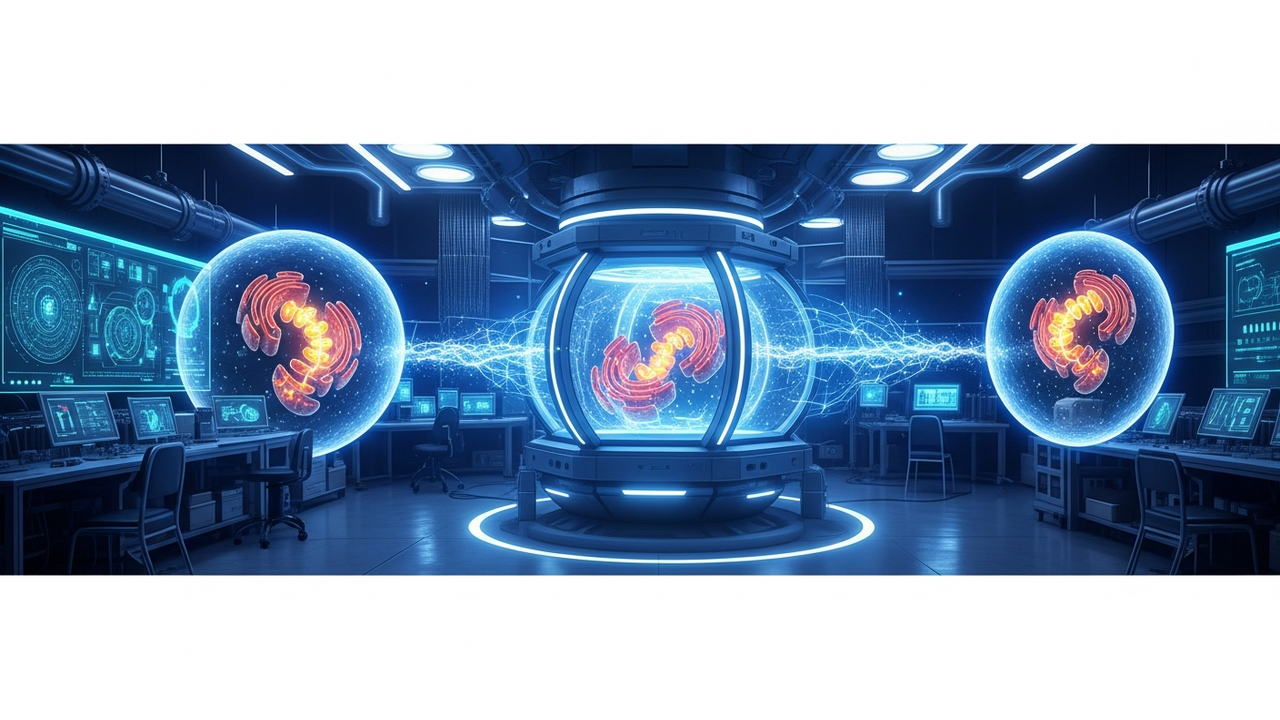
An international collaborative research group, including RIKEN, has discovered a novel mechanism by which cells sense changes in gravity and activate protein synthesis within mitochondria (mitochondrial translation) through experiments conducted in space. This study provides detailed insights into the impact of microgravity environments on mitochondrial function, offering crucial implications for maintaining human health during long-duration spaceflight and for developing treatments for aging-related diseases on Earth.
Research Details and Discovery Mechanism
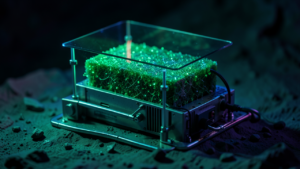
- Experiments on ISS “Kibo”: The research group conducted experiments cultivating specific cells under microgravity for several days in the Japanese Experiment Module “Kibo” on the International Space Station (ISS). These experiments were designed to directly compare how biological processes within cells differ between Earth’s gravitational environment and the microgravity environment of space.
- Reduction in Mitochondrial Translation: A significant decrease in protein synthesis within mitochondria was discovered in cells cultured under microgravity. Mitochondria are vital organelles responsible for cellular energy production, and their dysfunction is linked to cellular aging and various diseases.
- Identification of Gravity-Sensing Mechanism: Researchers identified specific molecular sensors that enable cells to perceive gravity and the signal transduction pathways that lead to the activation of mitochondrial translation. This mechanism suggests that gravity modulates cellular energy metabolism and affects overall cellular physiological functions.
- Impact on Aging Phenomena: Mitochondrial dysfunction is deeply associated with the cellular aging process. This discovery suggests that microgravity environments could accelerate astronaut aging, and simultaneously, targeting this mechanism opens avenues for developing new drugs and therapies to suppress aging.
Background & Industry Context
Maintaining astronaut health during long-duration human space missions, especially for lunar and Martian exploration, is paramount. Prolonged exposure to microgravity is known to cause various physiological changes, including bone density loss, muscle atrophy, and alterations in immune function. Among these, accelerated cellular aging is a concern for astronauts’ long-term health risks. This research deepens the molecular-level understanding of this challenge.
Future Outlook
This groundbreaking discovery could directly lead to the development of new intervention strategies to slow down the aging process in astronauts. Furthermore, it is expected to have a significant impact on drug discovery research for combating age-related diseases on Earth (such as neurodegenerative diseases, cardiovascular diseases, and cancer) and general aging. Elucidating the effect of physical stimuli like gravity on fundamental cellular functions provides critical insights in basic biology, while also opening doors for innovative applications in space medicine and regenerative medicine.
Source: https://astrobiology.com/2026/07/02/gravity-activates-mitochondrial-translation/
Get our weekly technology intelligence — free
Receive an infographic that lets you judge at a glance whether each field’s analysis report is worth reading.
Subscribe Free — Weekly Tech Intelligence
By subscribing, you’ll receive Troy-Technical’s weekly technology intelligence newsletter.
- Your email and selected fields are used only to deliver the newsletter.
- We never share your information with third parties.
- You can unsubscribe anytime via the link in each email.
See our Privacy Policy for details.
Takes about a minute · Unsubscribe anytime



Comments