Key Findings
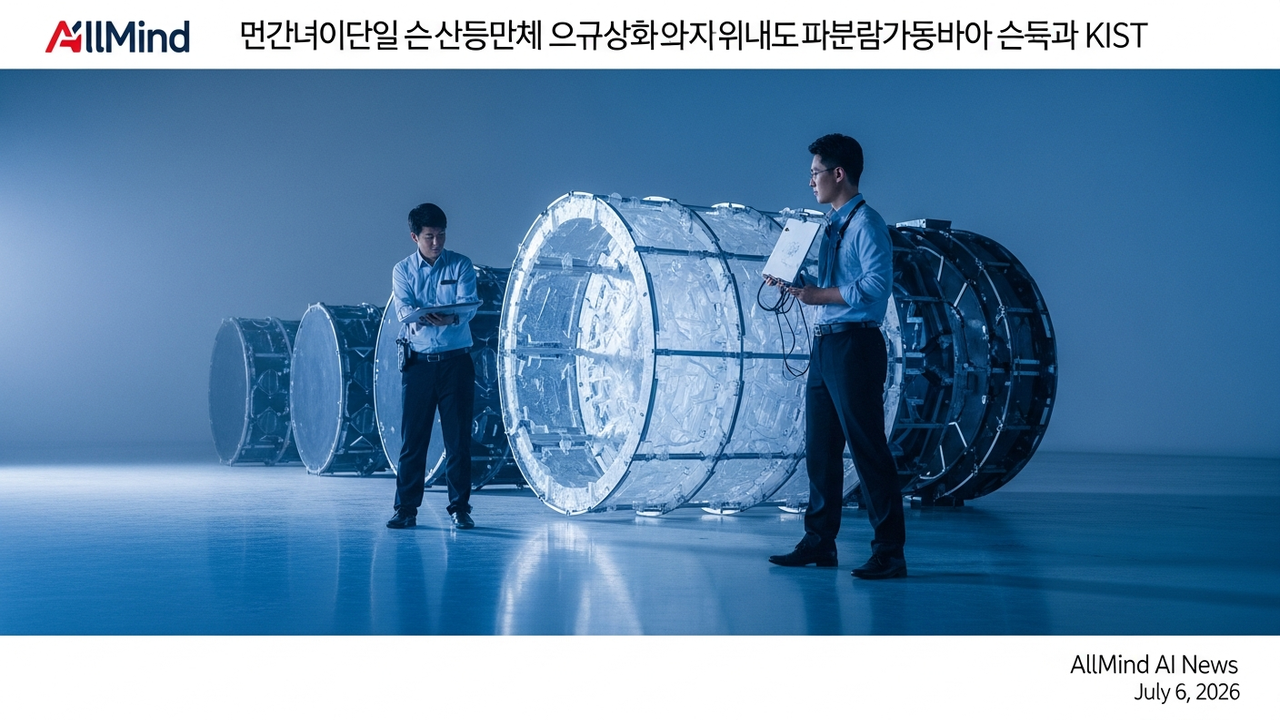
A research team at the Korea Institute of Science and Technology (KIST) has successfully developed an ultra-thin, flexible, and 3D-printable composite material that can simultaneously and effectively shield against both electromagnetic waves and neutron radiation. This groundbreaking, multi-functional material holds the potential to revolutionize lightweighting in spacecraft, enhance safety in nuclear facilities, protect medical devices, and improve performance in defense applications.
Technical Details
The developed composite material is based on a unique blend of single-walled carbon nanotubes (SWCNT) and boron nitride nanotubes (BNNT). SWCNTs, known for their excellent electrical conductivity, effectively absorb and reflect electromagnetic waves, providing robust electromagnetic interference (EMI) shielding. BNNTs, on the other hand, contain boron isotopes (typically boron-10) that efficiently capture neutrons, exhibiting a high neutron attenuation coefficient. By combining these two nanomaterials, the researchers achieved composite shielding capabilities that were previously challenging with single materials. Despite being ultra-thin, this material possesses excellent mechanical strength and flexibility, and can withstand extreme temperature variations and deformation. Its 3D printability is a significant advantage, allowing for easy integration into complex shapes or existing structures, thus offering customized shielding solutions.
Background & Industry Context
In modern advanced technological systems, particularly in aerospace, nuclear, medical, and defense sectors, protecting sensitive electronics and human personnel from electromagnetic interference and radiation is a pressing challenge. Conventional shielding materials are often heavy, bulky, and typically effective against only one type of threat. This has historically led to complex system designs, increased weight, and higher costs. The multi-functional composite material developed by KIST offers a groundbreaking solution to these challenges. By combining lightweight properties with multi-functionality, it can enhance spacecraft payload capacity, simplify nuclear facility designs, and enable the miniaturization and increased safety of medical devices. This technology directly addresses the growing global needs for enhanced security and technological innovation.
Strategic Significance & Outlook
The ultra-thin, multi-functional composite material announced by KIST is anticipated to find widespread application across various industries due to its versatility and high performance. In the near term, its most promising applications include protecting spacecraft electronics, serving as external structural materials for satellites, and integration into next-generation spacesuits. Long-term prospects include its use in lunar base construction materials, protective layers for Mars exploration vehicles, safety barriers in nuclear facilities, and even as wearable radiation protective gear. Through continuous research and development aimed at reducing production costs and improving scalability, this composite material has the potential to revolutionize the design and operation of technological systems in extreme environments, further expanding the scope of human activities.
Source: https://allmind.ai/news/b877be9692fb4bad1566a231448adb2ff835b2755f1e5aa603f908cca85c8ce2
Get our weekly technology intelligence — free
Receive an infographic that lets you judge at a glance whether each field’s analysis report is worth reading.
Subscribe Free — Weekly Tech Intelligence
By subscribing, you’ll receive Troy-Technical’s weekly technology intelligence newsletter.
- Your email and selected fields are used only to deliver the newsletter.
- We never share your information with third parties.
- You can unsubscribe anytime via the link in each email.
See our Privacy Policy for details.
Takes about a minute · Unsubscribe anytime









Comments