
Key Findings
Former NASA Administrator Jim Bridenstine has voiced concerns regarding the development schedule for the Human Landing System (HLS) in NASA’s Artemis program. NASA has contracted SpaceX’s Starship and Blue Origin’s Blue Moon as HLS vehicles for the Artemis IV mission (2028), intended to transport astronauts to the lunar surface. However, the agency has expressed dissatisfaction with development delays from both companies, leading to plans for a low-Earth orbit HLS test flight during the Artemis III mission (late 2027).
Technical & Clinical Details
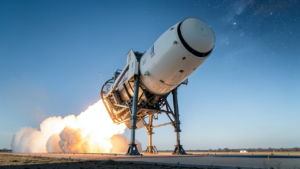
The HLS plays an extremely complex role, tasked with docking with the Orion spacecraft in lunar orbit, transporting astronauts to the lunar surface, and then returning them to lunar orbit. The development of this system demands cutting-edge technologies, including spacecraft re-entry and landing capabilities, powerful propulsion systems, life support equipment, and robust designs capable of operating on the lunar surface. SpaceX’s Starship HLS is a super heavy-lift, fully reusable rocket system, while Blue Origin’s Blue Moon follows traditional lander design philosophies, aiming for high-precision landing capabilities. Both systems, however, have required more time than initially planned during their test flight and technical verification phases, impacting the overall Artemis program schedule. The low-Earth orbit test flight for Artemis III will be a crucial step to verify the basic functions and safety of these HLS vehicles, as well as their interfaces with the Orion spacecraft, before embarking on actual lunar landing missions.
Background & Context
The Artemis program aims for a crewed return to the Moon after the Apollo era, with a goal of establishing a sustainable human presence on the lunar surface by the late 2020s. This program is considered essential for re-establishing U.S. leadership in space and strengthening international partnerships. However, HLS development, due to its technical complexity and innovative nature, has consistently faced tight schedules and budget constraints. Bridenstine’s concerns highlight the inherent difficulties in public-private partnerships for such large-scale projects, particularly the impact of development delays on achieving national space objectives. NASA has attempted to foster competition and diversify risk by engaging multiple commercial partners, but maintaining the schedule remains a significant challenge.
Strategic Significance & Outlook
Delays in HLS development are likely to affect the timeline for early crewed lunar landing missions within the Artemis program. A successful low-Earth orbit test flight for Artemis III would improve HLS reliability and establish a solid foundation for future lunar landing missions. However, prolonged delays could impact the timeline for achieving NASA’s goal of a sustainable lunar presence. NASA is expected to continue working closely with SpaceX and Blue Origin, implementing measures to accelerate technological development. This situation underscores the unpredictability of technology development in large-scale space exploration missions and the importance of flexible planning in response.
Get our weekly technology intelligence — free
Receive an infographic that lets you judge at a glance whether each field’s analysis report is worth reading.
Subscribe Free — Weekly Tech Intelligence
By subscribing, you’ll receive Troy-Technical’s weekly technology intelligence newsletter.
- Your email and selected fields are used only to deliver the newsletter.
- We never share your information with third parties.
- You can unsubscribe anytime via the link in each email.
See our Privacy Policy for details.
Takes about a minute · Unsubscribe anytime






Comments