Key Findings
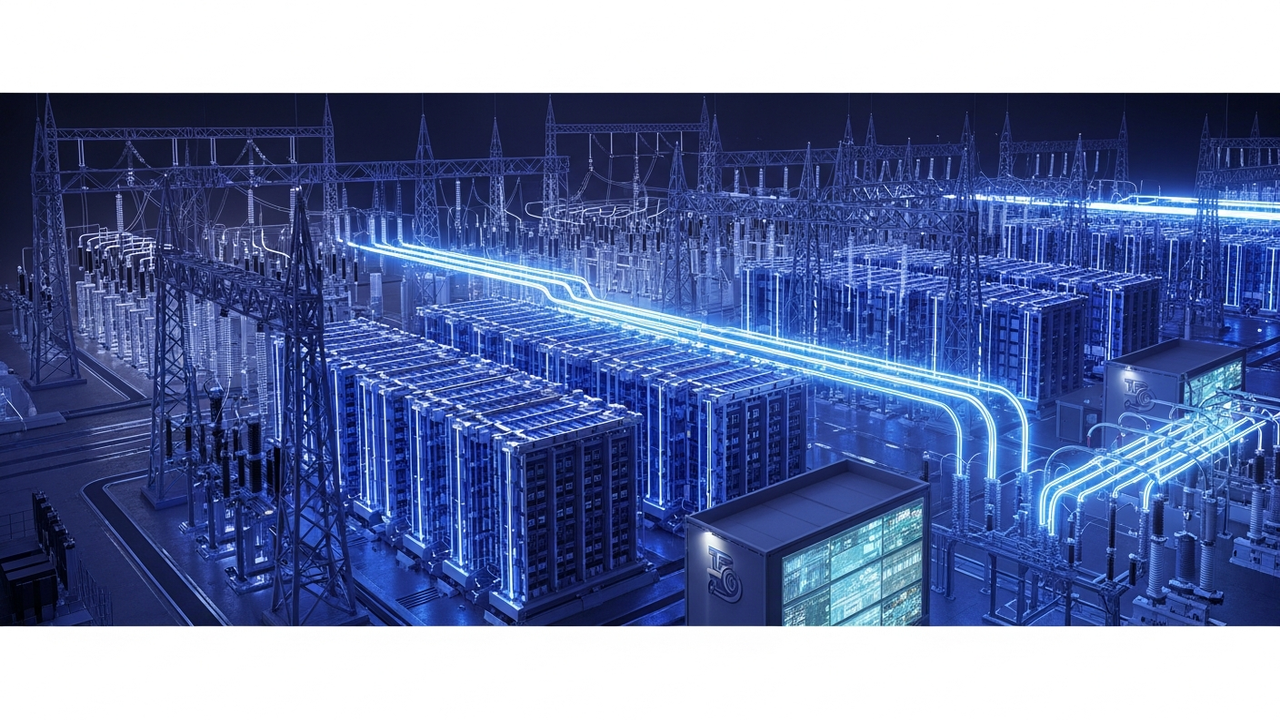
According to a report from 36Kr, a prominent Chinese technology media outlet, sodium-ion batteries have officially secured qualification to bid for large-scale, grid-scale energy storage (ES) projects. This achievement represents a critical regulatory milestone for sodium-ion battery technology, signaling its serious entry into the commercial market. This development strongly suggests the increasing viability and competitiveness of sodium-ion batteries as a next-generation energy storage solution.
Technical Details
The report emphasizes the improved cost competitiveness of sodium-ion batteries. Data from the first quarter of 2026 indicates that the average cost of sodium-ion battery cells has already declined to a range of 0.35 to 0.40 Chinese Yuan per watt-hour (¥/Wh). This price point is rapidly approaching that of lithium iron phosphate (LFP) batteries, which are widely used in the energy storage market. Experts predict that sodium-ion and LFP technologies will reach cost parity by late 2026 to 2027. Despite these advancements, significant challenges persist in the market deployment of this technology. Specifically, there is currently insufficient industrial production capacity for sodium-ion batteries, and the associated supply chain capabilities are not yet fully established, hindering rapid mass production to meet demand.
Background & Context
As global decarbonization efforts and the transition to renewable energy accelerate, large-scale electricity storage systems have become indispensable infrastructure. While lithium-ion batteries, particularly LFP cells, currently lead this market, they face challenges such as limited lithium resources and price volatility. Sodium-ion batteries, by utilizing abundant sodium as their primary raw material, have been anticipated to overcome these concerns, offering a more sustainable and potentially cheaper alternative. The acquisition of bidding qualifications and the rapid cost reduction indicate that these expectations are materializing, promising to introduce new competition and diversification to the energy storage market.
Strategic Significance & Outlook
The fact that sodium-ion batteries have qualified for bidding and achieved cost levels competitive with LFP batteries is a highly positive indicator for long-term market growth. While scaling up production capacity and building out the supply chain remain urgent priorities, addressing these challenges will position sodium-ion batteries as a major option for large-scale ES projects. Adoption is expected to accelerate particularly in sectors where stable power supply and cost efficiency are critical, such as data centers and industrial applications. The evolution of this technology is anticipated to further advance the integration of renewable energy and play a crucial role in realizing a more resilient and sustainable power grid.
Source: https://eu.36kr.com/en/p/3887674269301506
Get our weekly technology intelligence — free
Receive an infographic that lets you judge at a glance whether each field’s analysis report is worth reading.
Subscribe Free — Weekly Tech Intelligence
By subscribing, you’ll receive Troy-Technical’s weekly technology intelligence newsletter.
- Your email and selected fields are used only to deliver the newsletter.
- We never share your information with third parties.
- You can unsubscribe anytime via the link in each email.
See our Privacy Policy for details.
Takes about a minute · Unsubscribe anytime







Comments