iPS Cells & Regenerative Medicine– category –
-

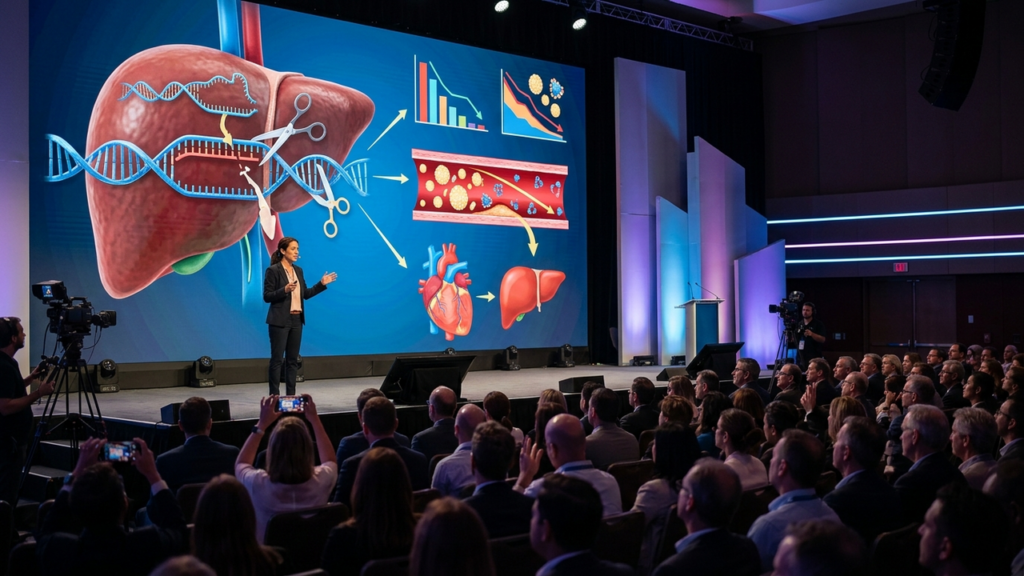
CRISPR Therapeutics Reports Deep, Durable Lipid Lowering from In Vivo Gene Editor CTX310 in Phase 1a Trial
MarketScreener (CRISPR Therapeutics) Switzerland Overview CRISPR Therapeutics AG announced compelling one-year durability data from its Phase 1a clinical trial of CTX310, an in vivo CRISPR/Cas9 gene-editing therapy targeting ANGPTL3. A s... -
Cell and Gene Therapy Sector Shifts to “Execution Discipline” Amidst Manufacturing Platform Scrutiny and Autoimmune CAR-T Safety Concerns
LucidQuest Ventures USA Overview A recent strategic roundup highlights a critical shift in the cell and gene therapy (CGT) sector from platform expansion to "execution discipline," emphasized by Bristol Myers Squibb's termination of its ... -
BioNTech and Genentech Terminate Phase 2 Personalized Cancer Vaccine Trial Due to Survival Imbalance
Fierce Biotech USA Overview BioNTech and Genentech have cancelled their Phase 2 clinical trial for autogene cevumeran (BNT122), a personalized cancer vaccine targeting colorectal cancer patients, after an independent data safety monitori... -
Novartis Halts Autoimmune CAR-T Trials After Three Patient Deaths, Sparking Safety Debate
Endpoints News USA Overview Novartis has disclosed the deaths of three patients from immune effector cell-associated hemophagocytic lymphohistiocytosis (IEC-HS) complications in clinical trials of its CAR-T cell therapy, rapcabtagene aut... -
Winship Cancer Institute Launches Cellular Therapy Initiative to Scale Next-Gen Cancer Treatment Development
Winship Cancer Institute USA Overview Winship Cancer Institute has launched a "Cellular Therapy Initiative" to accelerate the development of next-generation cancer treatments, including expansion of its cGMP manufacturing capabilities. T... -
Ultragenyx’s Phase 3 Angelman Syndrome Trial Fails, Triggering 43% Stock Plunge
Fierce Biotech USA Overview Ultragenyx reported that its investigational asset apazunersen failed to meet primary and secondary endpoints in the Phase 3 Aspire trial for Angelman syndrome, leading to a dramatic 43% drop in the company's ... -
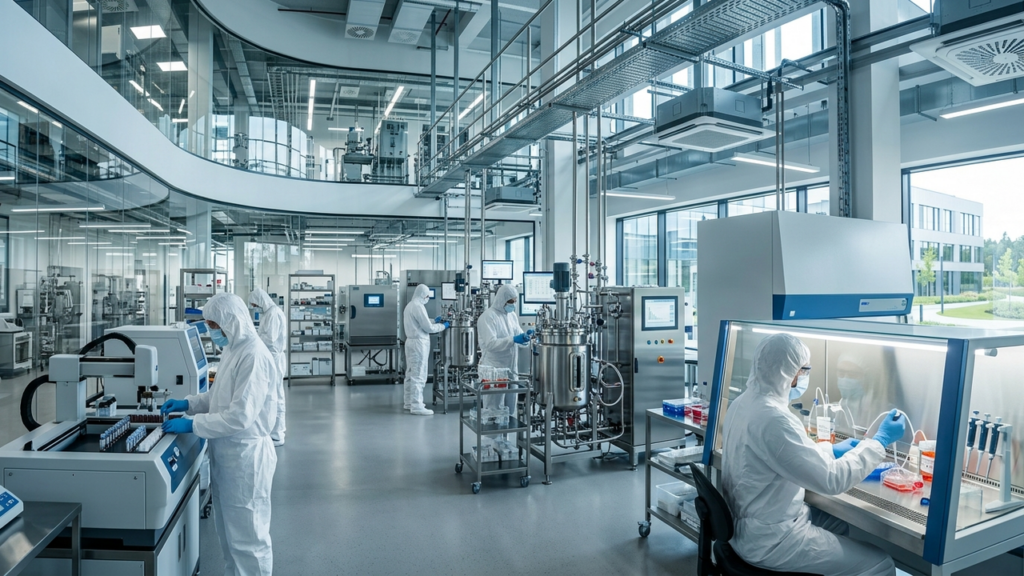
Northway Biotech Launches €61M Cell Therapy CDMO in Lithuania, Scaling Advanced Biologics for Global Demand
PR Newswire (Northway Biotech) Lithuania Overview Northway Biotech has inaugurated a state-of-the-art €61 million cell therapy and personalized medicine CDMO facility in Vilnius, Lithuania. This 3,500-square-meter site boasts up to 20 in... -
3D Bioprinting Market Drives Regenerative Medicine and Biomedical Innovation, Accelerated by AI Integration
The Business Research Company Global Overview The 3D bioprinting market is rapidly growing as a pivotal technology driving innovation in regenerative medicine and biomedical fields. This technology combines living cells, biomaterials, an... -
TScan Therapeutics Pivots to In Vivo TCR-T for Solid Tumors, Cuts 75% of Staff
BioPharm International USA Overview TScan Therapeutics announced a strategic pivot toward in vivo gene-edited TCR-T cell therapy for solid tumors, accompanied by a reduction of approximately 75% of its workforce. The company will halt it... -
T-MAXIMUM Allogeneic CAR T-Therapy MT027 Receives FDA Fast Track Designation for Recurrent Glioblastoma
PR Newswire USA Overview T-MAXIMUM PHARMACEUTICAL announced that its B7-H3-targeted allogeneic CAR T-cell therapy, MT027, has received Fast Track Designation (FTD) from the U.S. FDA for the treatment of recurrent glioblastoma. MT027 had ...