New Technology– category –
-

Teijin Revolutionizes CFRP: Self-Healing, Highly Recyclable Thermoset Material Poised for Sustainable High-Performance Applications
Environment Business Online Japan Overview Teijin has developed an innovative thermoset carbon fiber reinforced plastic (CFRP) combining heat-activated self-healing with high recyclability. This novel material maintains mechanical proper... -
WHILL’s New ‘Model C Lite’ Personal Mobility Incorporates Teijin’s Thermoplastic Carbon Fiber Composite, Achieving an Ultra-Light 18.6kg
MONOist Japan Overview WHILL has announced the adoption of Teijin's collaboratively developed thermoplastic carbon fiber composite material for the frame of its new 'WHILL Model C Lite' personal mobility device, resulting in a significan... -
Novel Recycling Technology Decomposes Carbon Fiber-Reinforced Polybenzoxazine Composites, Recovers Carbon Fibers with Minimal Damage
ACS Publications USA Overview A new decomposition strategy has been proposed to overcome long-standing challenges in recycling carbon fiber-reinforced thermoset composites (CFRTCs). This method leverages an exchange reaction between intr... -
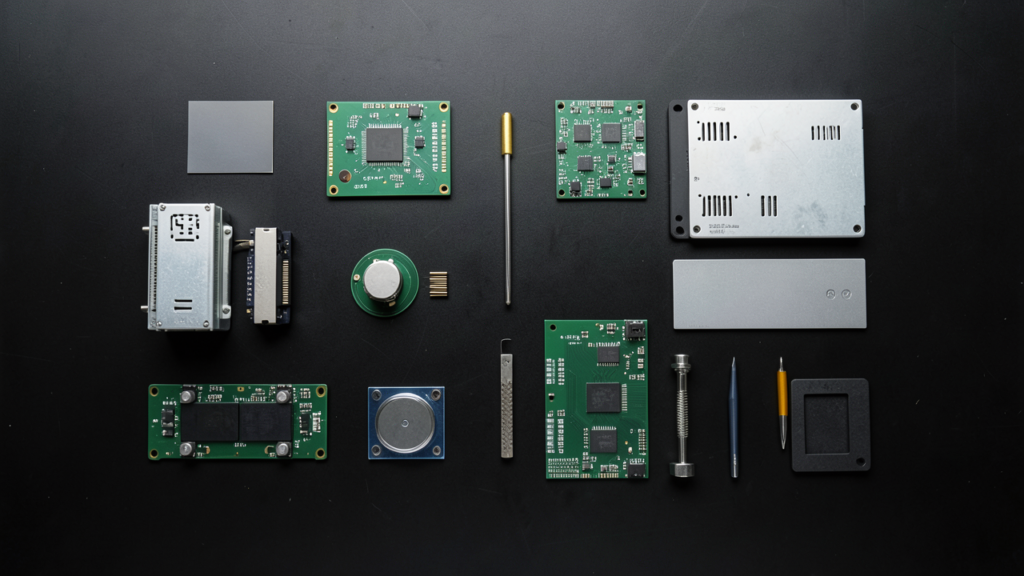
TOWA Contributes to AI Semiconductor Thermal Management and Productivity with ‘Mold Underfill (MUF)’ Technology via US-JOINT Platform
Resonac Japan Overview TOWA is accelerating customer concept validation through its 'US-JOINT' co-creation platform for next-generation semiconductor packaging technology. Addressing thermal management challenges in AI semiconductors, TO... -
PEEK Adoption Accelerates in Semiconductor Equipment: Exceptional Purity, Thermal Performance, and Chemical Resistance Drive Wafer Handling Advancements
Poly Fluoro Ltd India Overview PEEK (Polyether Ether Ketone) is increasingly adopted as a high-performance polymer in semiconductor manufacturing equipment due to its exceptional purity, thermal performance, chemical resistance, dimensio... -
Sucrose-Assisted Boron Nitride Interface Engineering Yields BT-Based High-Frequency Substrates with Ultra-Low Dielectric Loss of 0.003 at 10 GHz and Enhanced Thermal Conductivity
ACS Publications USA Overview A groundbreaking interface engineering strategy for boron nitride (BN) has been developed to achieve both ultra-low dielectric loss and enhanced thermal conductivity for high-frequency electronic packaging s... -
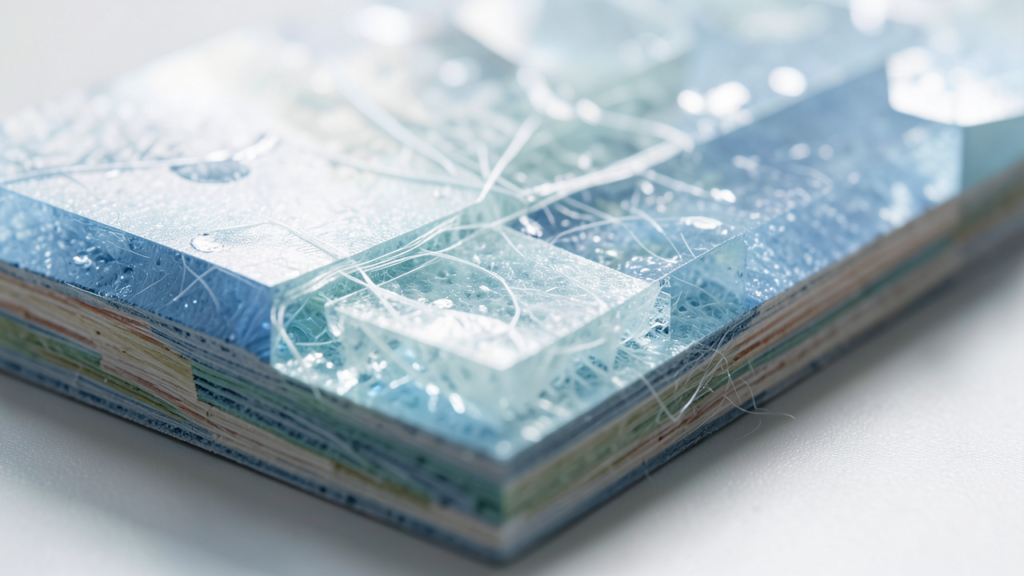
Glass Core Substrates Poised to Resolve Warpage Issues in Data Center AI Accelerators by 2030, Addressing ABF Substrate Limitations
Tom's Hardware USA Overview The increasing demand for high-performance AI accelerators in data centers highlights critical supply shortages and material limitations, particularly warpage issues with large-scale ABF (Ajinomoto Build-up Fi... -
NIST Commercializes New 3D-Printing Reference Material RM 8047 to Standardize Photopolymer Manufacturing, Enhancing Quality Control and Reproducibility
WhatTheyThink USA Overview The U.S. National Institute of Standards and Technology (NIST) has announced the commercial availability of Reference Material (RM) 8047, designed to significantly improve quality control, accuracy, and reprodu... -
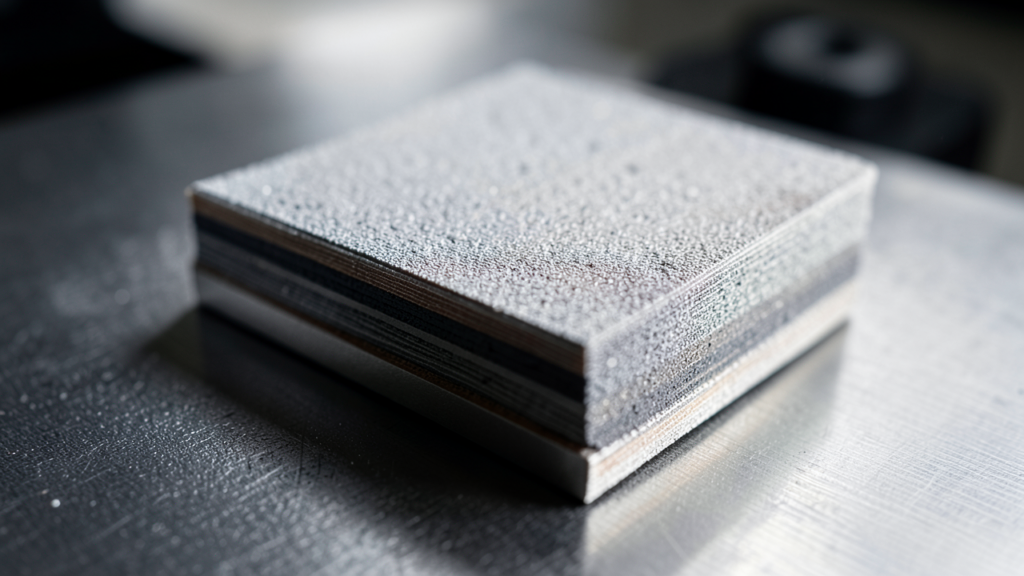
Researchers Develop Multi-Layer Metal and Ceramic Coatings for 3D-Printed Polymer Parts, Significantly Enhancing Wear Resistance and Adhesion
AZoM UK Overview Researchers have demonstrated a multi-layer coating technology designed to overcome the surface quality and durability limitations of 3D-printed polymer parts. By applying metal and ceramic multi-layer coatings to materi... -
JLC3DP Clarifies PLA’s Practical Heat Resistance Limit for 3D Printing at Below 50-60°C, Recommends High-Performance Materials for Elevated Temperatures
JLC3DP China Overview JLC3DP has released guidelines on the heat resistance of PLA, a common 3D printing material. While PLA softens around 55-65°C and melts at 150-180°C, sustained high-load applications should avoid temperatures exceed...