Key Findings
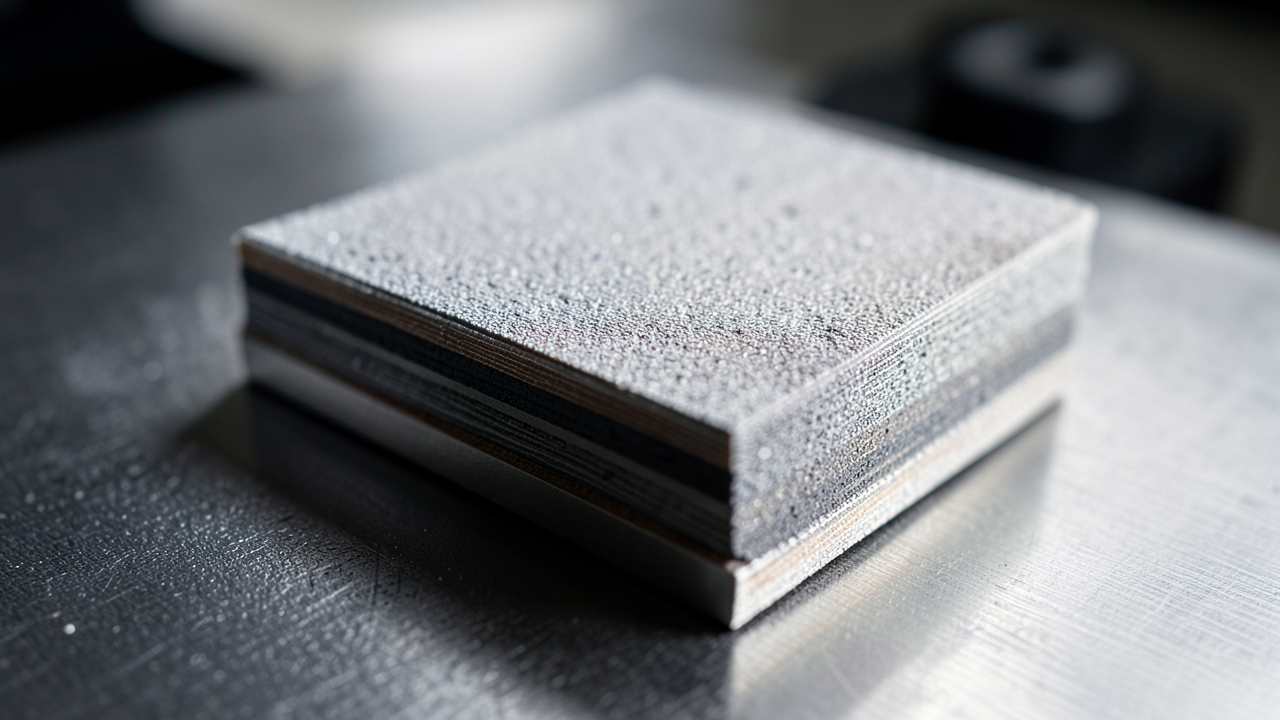
A team of researchers has successfully developed and demonstrated an innovative multi-layer coating technology that dramatically enhances the surface quality and durability of 3D-printed polymer parts. This groundbreaking approach involves sequentially applying layers of metals and ceramics onto common 3D printing polymers such as polyurethane (PU), polypropylene (PP), and polyamide (PA). The result is a significantly tougher and more durable surface with substantially improved wear resistance and adhesion to the substrate, making these parts suitable for more rigorous applications and extending their operational lifespan.
Technical / Clinical Details
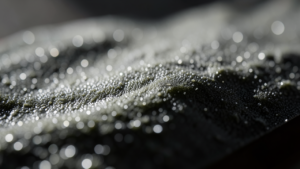
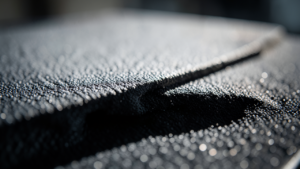
Traditional 3D-printed polymer parts often suffer from inherent surface roughness and limited resistance to mechanical wear and chemical degradation. The multi-layer coating technology developed in this study involves a preliminary surface treatment of the polymer substrate, followed by the sequential deposition of metallic layers (e.g., titanium, chromium) and ceramic layers (e.g., titanium nitride, tungsten carbide) using techniques such as Physical Vapor Deposition (PVD), Chemical Vapor Deposition (CVD), or electroplating. This multi-layered architecture creates a synergistic effect, where the strengths of individual layers compensate for their weaknesses. Metallic layers typically provide ductility and toughness, while ceramic layers impart extremely high hardness and wear resistance. Experimental results have shown that coated polymer parts exhibit significantly prolonged wear life and substantially improved adhesion under specified load conditions, compared to their uncoated counterparts. Beyond enhancing surface hardness, these coatings also offer robust protection against chemical exposure and corrosion.
Background & Context
Additive manufacturing, while offering immense advantages in producing complex geometries rapidly and cost-effectively, has often been critiqued for the physical properties of its materials, particularly surface durability, which tend to fall short of parts manufactured by traditional methods. This limitation has hindered the widespread adoption of 3D-printed components in final-use applications requiring high reliability and long operational lifespans, such as functional parts in automobiles, movable components in industrial machinery, and medical devices. The development of this multi-layer coating technology addresses this bottleneck, marking a crucial step towards the broader industrialization of 3D printing. It enables maximizing the advantages of 3D printing—design freedom and material efficiency—without compromising on performance.
Strategic Significance & Outlook
This multi-layer coating technology is expected to be a significant driver for the expansion of the 3D-printed parts market. It holds particular promise for components exposed to friction and wear, such as gears, bearings, protective covers, and housings requiring protection from harsh external environments. Future research will likely focus on exploring optimal combinations of different polymer substrates and coating materials, improving the scalability and cost-effectiveness of coating processes, and developing more environmentally friendly coating methods. Widespread adoption of this technology will transform 3D printing from primarily a prototyping tool into a core technology for manufacturing high-performance end-use products, contributing to the sustainability and competitiveness of various industries.
Source: https://www.azom.com/news.aspx?newsID=65783
Get our weekly technology intelligence — free
Receive an infographic that lets you judge at a glance whether each field’s analysis report is worth reading.
Subscribe Free — Weekly Tech Intelligence
By subscribing, you’ll receive Troy-Technical’s weekly technology intelligence newsletter.
- Your email and selected fields are used only to deliver the newsletter.
- We never share your information with third parties.
- You can unsubscribe anytime via the link in each email.
See our Privacy Policy for details.
Takes about a minute · Unsubscribe anytime


Comments