National Institutes of Health– tag –
-

BRD4-Targeting PROTAC Nanoassemblies Dramatically Enhance FLASH Radiotherapy, Achieving Robust Tumor Suppression
PMC USA Overview New research reveals that BRD4-targeting PROTAC nanoassemblies (APF) significantly amplify the anti-tumor efficacy of ultra-high dose rate FLASH radiotherapy (FLASH-RT). By efficiently delivering the BRD4 degrader ARV-77... -
China Approves Satri-Cel, World’s First CAR T-Cell Therapy for Claudin 18.2-Positive Gastric Cancer
PubMed China Overview China's National Medical Products Administration (NMPA) has approved satricabtagene autoleucel (satri-cel), a CAR T-cell therapy for Claudin 18.2-positive, HER2-negative advanced gastric or gastroesophageal junction... -
Mayo Clinic Leads ARPA-H Initiative to Advance Gene-Editing Therapies for Rare Immune Diseases, Integrating CRISPR and Novel Delivery for Over 500 Inborn Errors of Immunity
Mayo Clinic News Network USA Overview Mayo Clinic is participating in a 5-year collaborative research initiative, funded by an ARPA-H grant, to accelerate the development of gene-editing therapies for rare immune diseases. This initiativ... -
3D Bioprinting Advances Tumor Organoid Modeling and Bone Regeneration Spheroids
PMC - NIH USA Overview 3D bioprinting technology is revolutionizing cancer modeling by enabling the construction of human tumor organoids that accurately recapitulate complex tumor microenvironments for high-throughput drug screening. Co... -
乳がん治療向け次世代ADCの開発課題と進歩:送達生物学の最適化が成功の鍵
PubMed (Expert Opinion on Drug Delivery) USA Overview Expert Opinion on Drug Deliveryに掲載されたレビューは、乳がんの治療抵抗性疾患に対する次世代抗体薬物複合体(ADC)の開発における進歩と課題を統合的に評価しました。本レビューは、ADCの設計... -
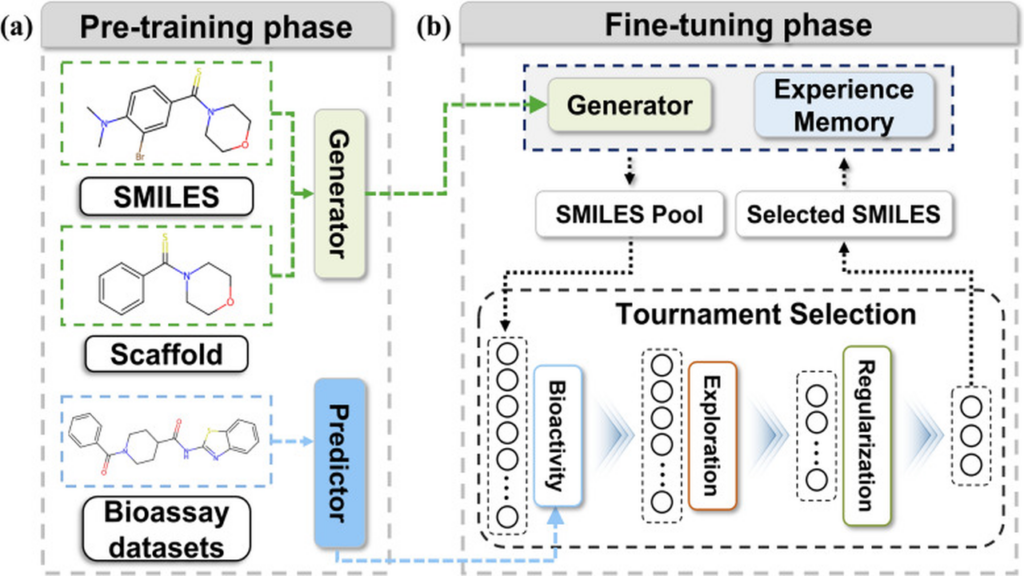
Scaffold-Aware Transformer Accelerates Novel Molecular Design with High Binding Affinity
PMC USA Overview Researchers have developed a novel scaffold-aware generative model, integrating transformers with graph attention networks, capable of efficiently designing new molecules with desired structural properties and high bindi... -
Chronic Exposure to Chlorate at Regulatory Safety Limits Induces p21/p16-Mediated Neuronal Senescence and Parkinsonian Decline in iPSC-Derived Neurons
PubMed International Overview This research reports that chronic exposure to chlorate at concentrations within regulatory safety limits accelerates neuronal senescence in human iPSC-derived dopaminergic neurons, leading to Parkinsonian-l... -
Clinical Progress of Engineered Cellular Immunotherapies for Autoimmunity: Diverse Modalities Pioneer New Treatment Avenues
PMC - NIH USA Overview Clinical development of engineered cellular immunotherapies for autoimmune diseases is rapidly advancing, poised to offer novel therapeutic options. Diverse modalities, including CAR-T cells, CAR-NK cells, and TCR-... -
NIH-Funded Team Discovers Miniaturized Al3Cas12f CRISPR Enzyme, Dramatically Enhancing In Vivo Precision Delivery and Solving a Major Gene Therapy Bottleneck
National Institutes of Health (NIH) (News Release) USA Overview An NIH-funded research team has discovered an improved CRISPR gene-editing system enabling precise in vivo gene delivery. This breakthrough involves identifying the naturall... -
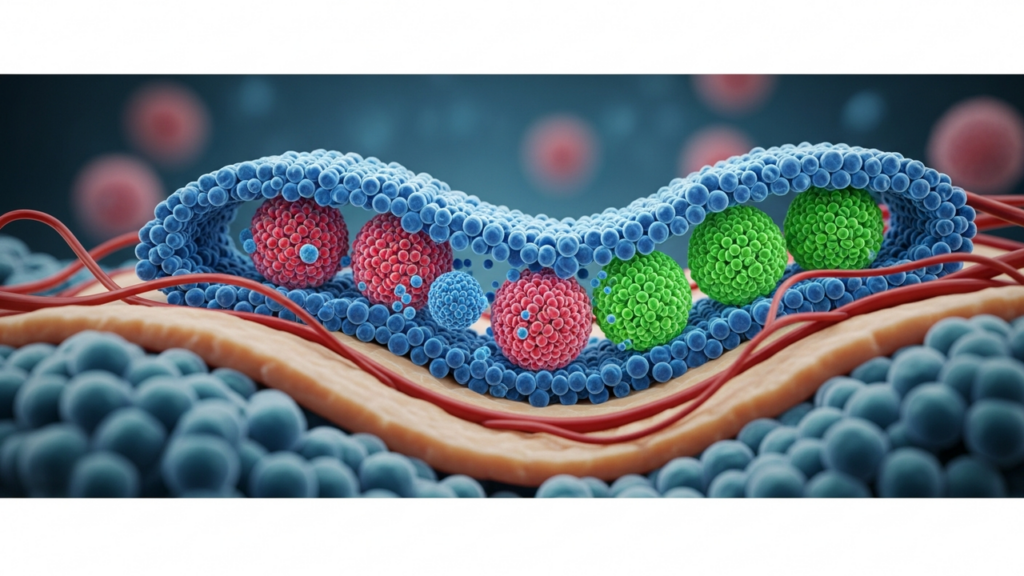
Cell Membrane-Coated Nanoparticles: New Strategy for Diabetic Wound Healing, Macrophage and Mesenchymal Stem Cell Membranes Show Significant Anti-Inflammatory, Angiogenic, and Tissue Repair Effects
PMC (PubMed Central) International Overview Nanoparticles are a promising platform for drug delivery, and specifically for diabetic wound healing, cell membrane-coated nanoparticles have emerged as an innovative strategy due to their inh...