National Institutes of Health– tag –
-

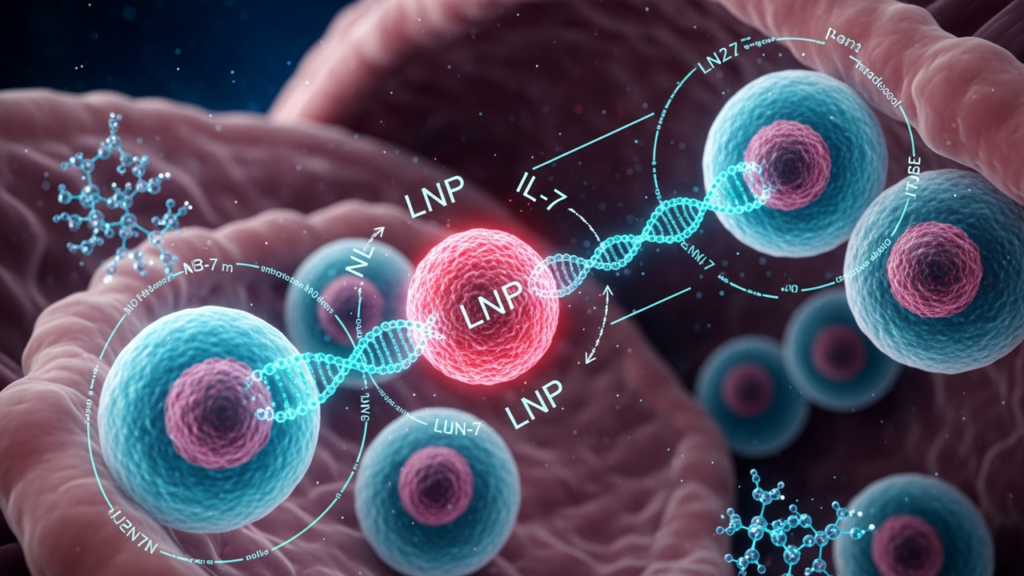
Cytokine Co-Presentation on Targeted Lipid Nanoparticles Enhances In Vivo T Cell Engineering: IL-7 Co-Presentation Biases Functional mRNA Transfection Towards Splenic T Cells
PubMed (bioRxiv) Unknown Overview This research describes an enhanced lipid nanoparticle (LNP) design that co-presents interleukin-7 (IL-7) with anti-CD3 and anti-CD28 antibodies. This novel LNP significantly improves particle uptake and... -
NIH’s NCATS Secures FDA IND Clearance for Gene Therapy Targeting Ultra-Rare Multiple Sulfatase Deficiency
National Center for Advancing Translational Sciences - NIH USA Overview The National Center for Advancing Translational Sciences (NCATS), part of the NIH, announced FDA clearance of an Investigational New Drug (IND) application for a gen... -
Modular In Vivo Antibody-ADC Click Strategy Reverses Drug Resistance in Tumors
PubMed (Nature Chemical Biology) USA Overview Researchers have introduced an in vivo bioorthogonal ligation strategy to generate functional antibody-drug conjugate (ADC) click constructs following systemic administration. This modular pl... -
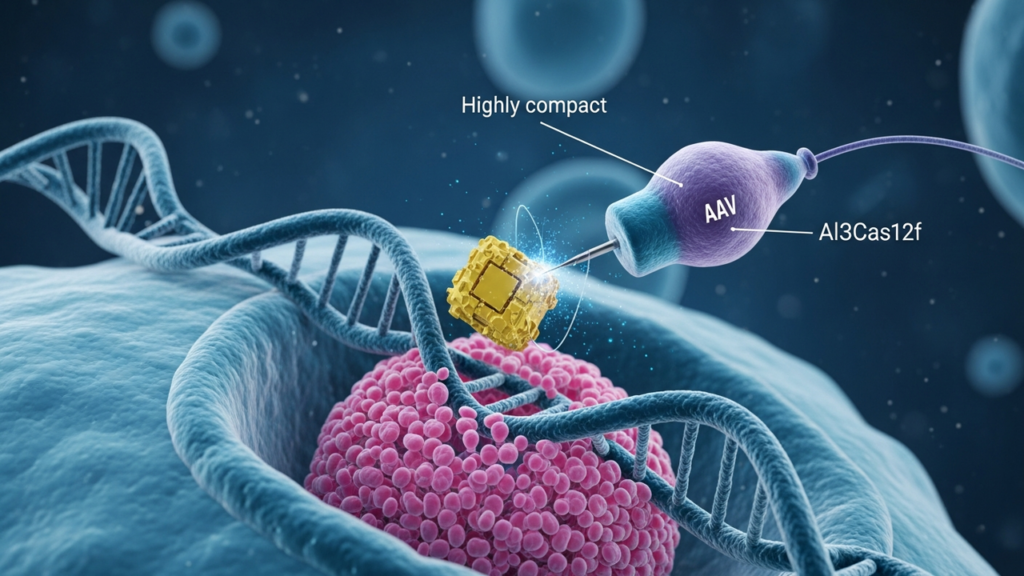
NIH-Funded Team Discovers Miniaturized CRISPR Enzyme Al3Cas12f, Enabling Precision In Vivo Gene Delivery via AAV Vectors
National Institutes of Health (NIH) USA Overview An NIH-funded research team has discovered a novel, enhanced miniaturized CRISPR gene-editing system, a natural enzyme named 'Al3Cas12f,' capable of targeted in vivo delivery. This enzyme ... -
CAR-NK Cell Therapy for Solid Tumors: Promising Safety and Off-the-Shelf Potential Outpace CAR-T
Cell Reports Medicine (via PubMed) USA Overview A new review highlights chimeric antigen receptor (CAR)-modified natural killer (NK) cells as a promising immunotherapy strategy for solid tumor treatment. Compared to CAR-T cell therapy, C... -
Allogeneic CAR-T Cell Therapies Promise to Overcome Autologous Challenges and Expand Therapeutic Potential in Solid Tumors
PubMed (Review Article) Global Overview This review article details how allogeneic CAR-T cell therapies demonstrate clinical benefits in B-cell malignancies and offer the potential to overcome key limitations of autologous CAR-T, such as... -
Efficient Prime Editing In Vivo and In Vitro Demonstrated with Lipid Nanoparticles: High Efficacy, Low Off-Target Effects
PubMed International Overview Recent research reports the development of an optimized platform for prime editing using lipid nanoparticles (PE-LNP), demonstrating high gene editing efficiency in vivo. This LNP-based system offers a compe... -
Bispecific Antibody Ivonescimab Plus Chemotherapy Significantly Improves Overall Survival in EGFR-Mutant NSCLC: HARMONi-A Phase 3 Results Published in JAMA
PubMed (JAMA) International Overview Final results from the Phase 3 HARMONi-A clinical trial, published in JAMA, demonstrate a breakthrough in EGFR-mutant non-small cell lung cancer (NSCLC) treatment. Combination therapy with the bispeci... -
Allogene Therapeutics’ Anti-B7-H3 Allogeneic CAR γδ T Cell Therapy QH104 Shows Favorable Safety, Disease Stabilization in Leptomeningeal Metastasis Phase 1 Trial
PubMed USA Overview Allogene Therapeutics' anti-B7-H3 allogeneic CAR γδ T cell therapy, QH104, demonstrated a favorable safety profile and promising efficacy in a Phase 1 clinical trial for patients with leptomeningeal metastasis (LM) fr... -
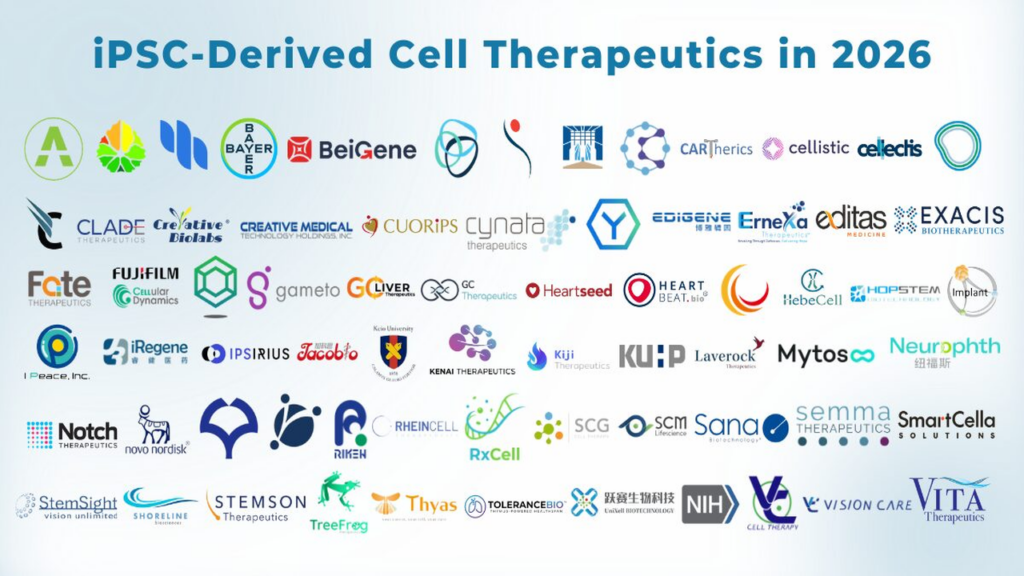
iPSC-Derived Cell Therapy Pipeline 2026: From Disease Modeling to Expanding Clinical Applications
BioInformant USA Overview As of 2026, the iPSC-derived cell therapy pipeline shows rapid advancements in disease modeling and drug discovery, though broad clinical use in human patients still faces challenges. iPSC-derived cells hold imm...