National Institutes of Health– tag –
-

Scaffold-Aware Transformer with Multi-Scale Attention Accelerates Novel Molecular Design
PMC (Part of MDPI) Switzerland Overview Researchers propose a novel framework for de novo molecular design that integrates a transformer-based generative model and a graph attention network-based predictive model, featuring a scaffold-aw... -
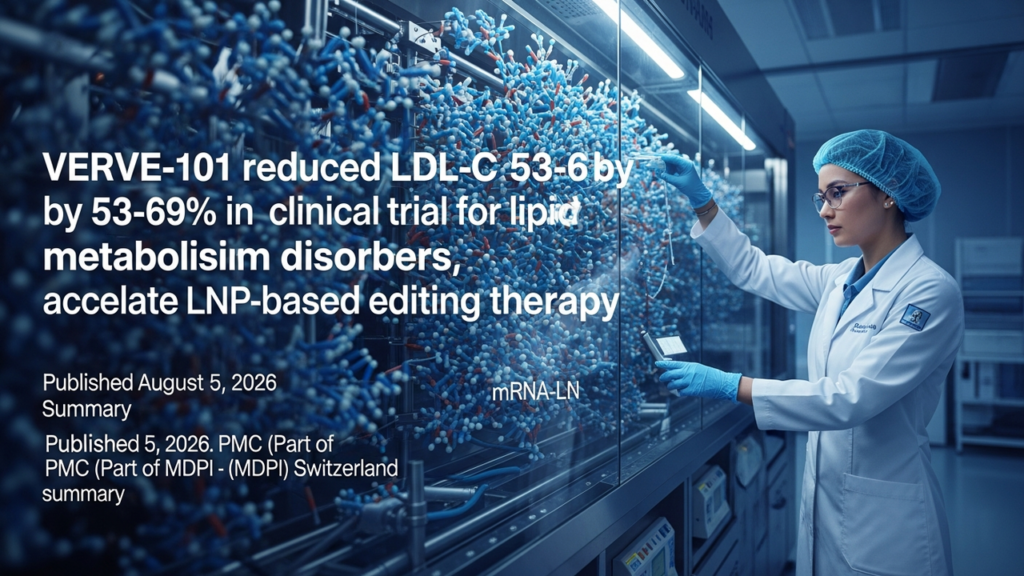
VERVE-101 Achieves 53-69% LDL-C Reduction in Lipid Disorder Trials, Accelerating LNP-Based Gene Editing Therapeutics
PMC (Part of MDPI) Switzerland Overview VERVE-101, an in vivo base editing therapy targeting PCSK9 via mRNA-LNP delivery, has progressed to clinical trials (NCT05398029) for lipid disorders, showing significant LDL-C reductions of 53% to... -
Real-World Data Evaluates Incidence and Management of Cytokine Release Syndrome and Neurotoxicity Following Axicabtagene Ciloleucel or Brexucabtagene Autoleucel CAR-T Cell Therapy Across 87 U.S. Centers
PubMed (Center for International Blood and Marrow Transplant Research) USA Overview The Center for International Blood and Marrow Transplant Research (CIBMTR) conducted a real-world data analysis of 927 B-cell malignancy patients across ... -
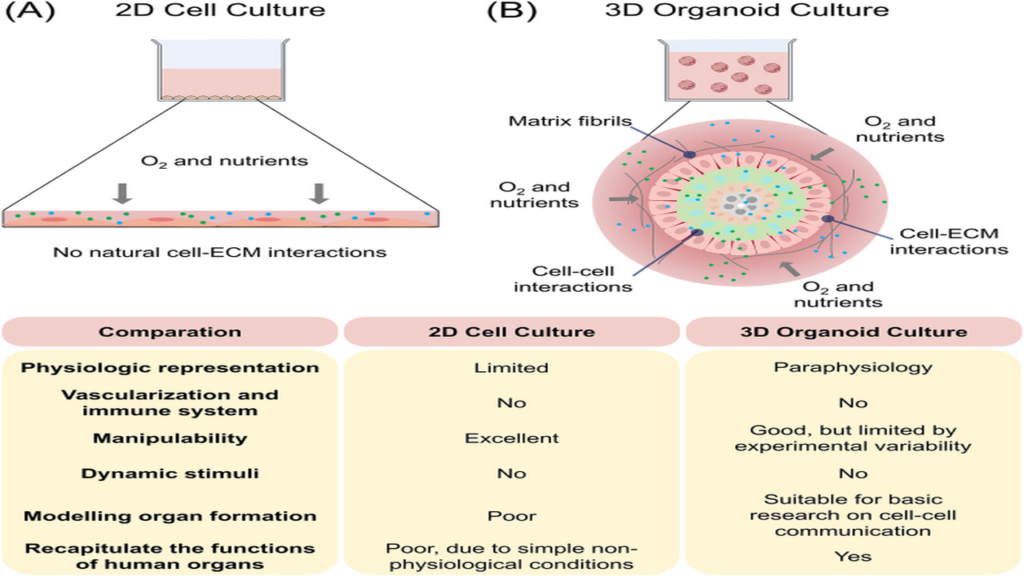
Advances in 3D Bioprinting for Organoid Construction: Enhancing Physiological Relevance and Promoting Diverse Biomedical Applications
PMC (NIH) International Overview A comprehensive review article highlights recent advancements in 3D bioprinting technology for organoid construction. This technique overcomes challenges of traditional organoid culture methods by precise... -
PROTAC Research Shifts to Structural Design, Oral Bioavailability, and AI-Driven Approaches: Bibliometric Analysis Reveals Emerging Frontiers and Pivotal Trial Era
PubMed USA Overview A bibliometric analysis of 2,630 PROTAC publications from 2001-2025 reveals a shift from early E3 ligase recruitment research to current hotspots including structural basis, ternary complex design, EGFR-directed degra... -
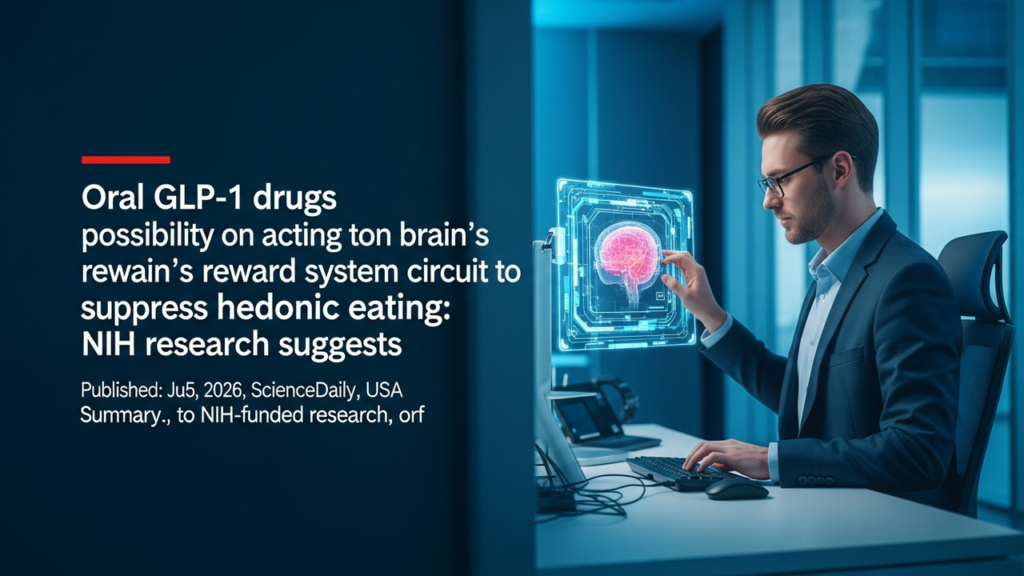
Oral GLP-1 Drugs May Quash Brain’s Food Craving Circuit, NIH-Funded Study Suggests Role in Hedonic Eating and Addiction
ScienceDaily USA Overview A study funded by the NIH suggests that newer oral small-molecule GLP-1 drugs, such as orforglipron and danuglipron, may reduce hedonic feeding (eating for pleasure) by affecting a reward circuit in the brain. T... -
4D Printing and Smart Hydrogels Revolutionize Regenerative Wound Therapy: Vascularized Scaffolds Enable Precision Drug Delivery
Polymers (PMC) Global Overview New paradigms are emerging in precision drug delivery and regenerative wound therapy, spanning from smart hydrogel design to 4D-printed scaffolds. Advances in 3D bioprinting now enable the fabrication of va... -
Focused Ultrasound Blood-Brain Barrier Opening: Remote Metabolic Response Discovered in Primate Brain Raises Clinical Application Challenges
PubMed (National Library of Medicine) USA Overview Low-intensity focused ultrasound (LIFU) is a promising technology for blood-brain barrier (BBB) opening for drug delivery, yet a study in non-human primate models revealed unexpected rem... -
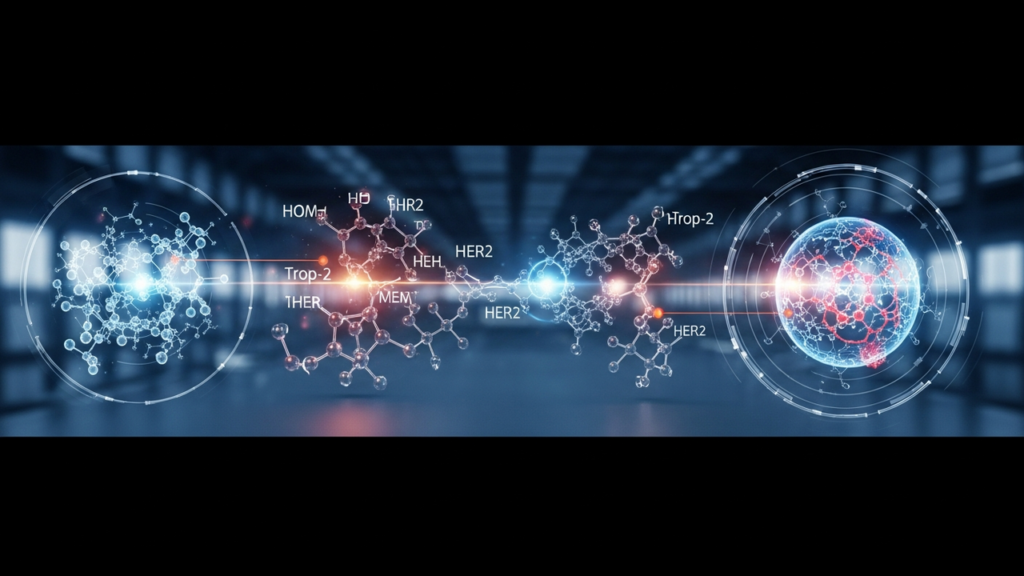
Advances in Antibody-Drug Conjugate (ADC) Combination Therapy for Non-Small Cell Lung Cancer: Multi-Target Approaches with Trop-2, HER2, and More
PubMed USA Overview A PubMed review reports significant advances in Antibody-Drug Conjugate (ADC)-based combination therapy strategies for Non-Small Cell Lung Cancer (NSCLC). Focusing on diverse molecular targets such as Trop-2, HER2, HE... -
NIH Launches ‘TRDNT Challenge’ to Drive Development of Precision RNA-Targeting Therapeutics for Disease
NIH USA Overview The National Institutes of Health (NIH) has initiated Phase I of the 'Targeting RNA in Disease with Novel Technologies (TRDNT) Challenge' to foster a new class of RNA-targeting technologies. This initiative aims to accel...