Key Findings
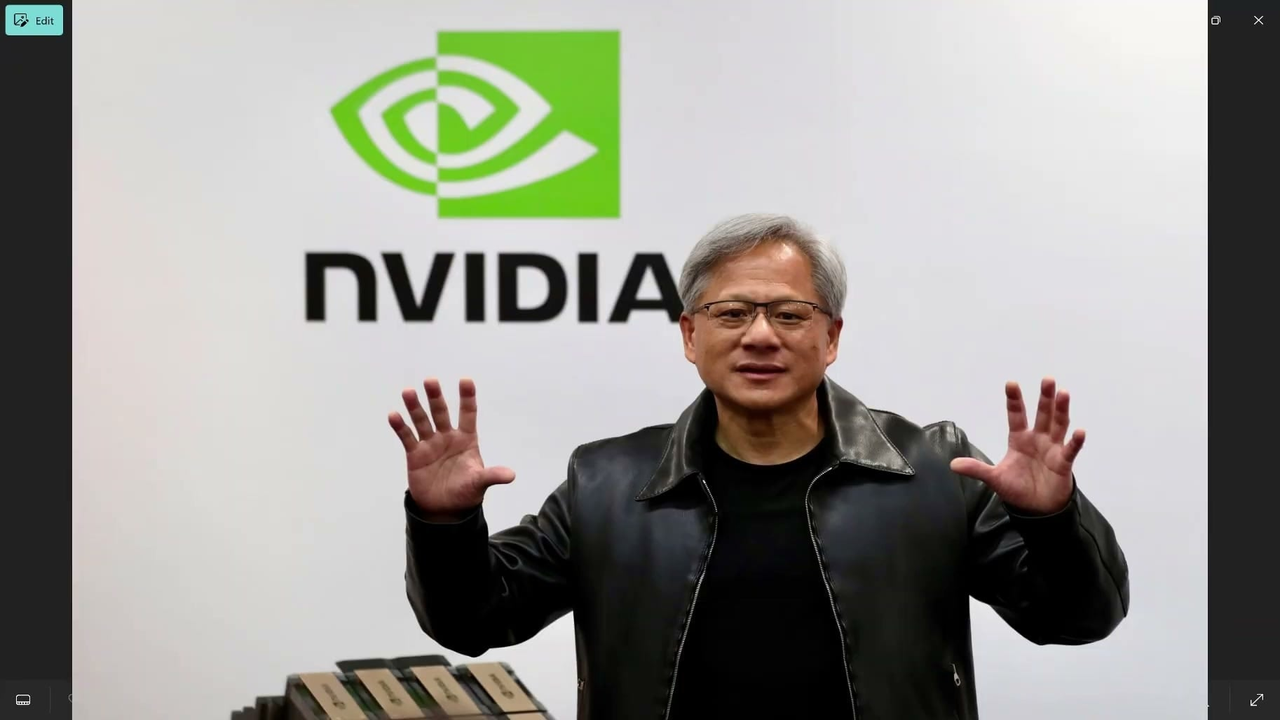
NVIDIA CEO Jensen Huang, during COMPUTEX TAIPEI 2026, unveiled a visionary ‘Copper-and-Optics Roadmap’ that will define the future of AI infrastructure. This roadmap signals a strategic pivot in data center interconnects, moving from traditional copper cabling to advanced optical fiber solutions. Specifically, Co-Packaged Optics (CPO) is projected for widespread adoption in scale-up connections within the Feynman architecture by 2028, becoming a cornerstone technology. This shift is critical for addressing the escalating challenges of power efficiency and bandwidth density driven by the relentless growth of AI workloads.
Technical / Clinical Details
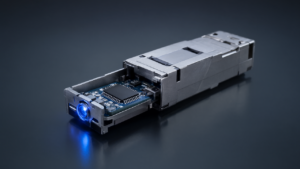
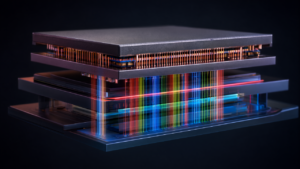
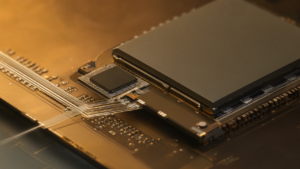
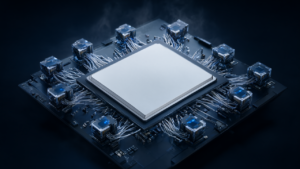
The ‘Copper-and-Optics Roadmap’ delineates that while copper will continue to serve for short-reach connections, optical technologies will assume a dominant role for longer-distance intra-rack and system-level interconnects. CPO technology involves integrating optical transceivers directly into the same package as switch or GPU chips, dramatically shortening electrical trace lengths. This minimizes signal attenuation and power consumption. The successful execution of this roadmap is propelled by the accelerating demand for 800G and 1.6T optical modules. NVIDIA’s Feynman architecture is explicitly designed to incorporate CPO as a standard component, thereby optimizing the performance and energy efficiency of AI supercomputers.
Background & Context
The rapid evolution of AI has imposed unprecedented pressure on data center power consumption and cooling capabilities. Traditional electrical interconnects are increasingly facing limitations regarding signal integrity over high bandwidths and longer distances, leading to significant power losses. Recognizing this, NVIDIA has made substantial investments in key optical component manufacturers such, Lumentum, Coherent, and Corning, to fortify its optical supply chain. This comprehensive strategy extends beyond merely supplying GPUs, aiming to optimize the entire AI infrastructure to sustain future AI growth. Competitors like Broadcom and Intel are also intensifying their efforts in optical technologies, highlighting an industry-wide recognition of this critical transition.
Strategic Significance & Outlook
CEO Jensen Huang’s ‘Copper-and-Optics Roadmap’ provides a clear blueprint for the future design principles of AI data centers, set to profoundly impact the optical communications industry. The prediction of widespread CPO adoption by 2028 signals substantial business opportunities for optical component manufacturers and related technology providers in the coming years. Realizing this strategic transition will enable AI systems to achieve faster, more energy-efficient data transfer, accelerating the training and deployment of increasingly large and complex AI models. This will further catalyze innovation in AI technologies and expand their application across a multitude of industrial sectors.
Source: https://q.futunn.com/feed/116690920669588?futusource=news_topic_page&lang=en-us