Background
The pharmaceutical landscape is being reshaped by the meteoric success of Glucagon-Like Peptide-1 (GLP-1) receptor agonists, therapies proving profoundly effective in managing type 2 diabetes and obesity. This therapeutic class has ignited a ‘mega-trend,’ with market projections soaring into the trillions of yen globally. The unprecedented demand for these groundbreaking medicines, however, is rapidly outstripping existing manufacturing capabilities, raising significant concerns about potential supply shortages. Contract Development and Manufacturing Organizations (CDMOs) are emerging as critical enablers, providing the essential infrastructure to bridge this gap and ensure patient access to these vital treatments.
The CDMO Response
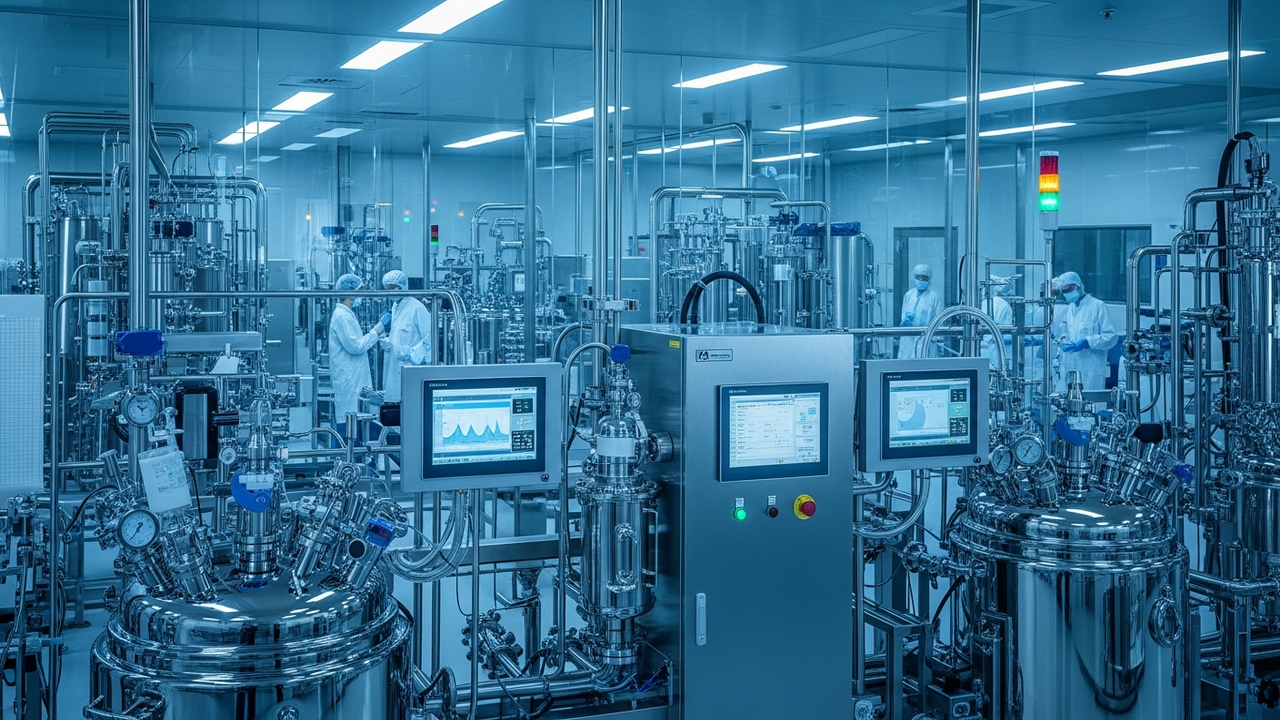
In response to this urgent global need, CDMOs are aggressively scaling their manufacturing capabilities for GLP-1 receptor agonists. These specialized organizations are leveraging their advanced manufacturing expertise, pre-existing infrastructure, and robust regulatory compliance frameworks to offer supply solutions significantly faster than constructing new facilities from the ground up. For pharmaceutical innovators, partnering with CDMOs represents a pivotal strategy for rapidly scaling production and dramatically reducing time-to-market, thereby alleviating immediate supply pressures.
Key Players and Strategic Investments
Leading CDMOs are making substantial strategic investments to capitalize on and address the GLP-1 growth trajectory:
- Catalent: The company is channeling significant capital into new manufacturing sites, with a particular focus on enhancing capabilities in peptide synthesis and injectable drug manufacturing, directly aiming to amplify GLP-1 product supply.
- Lonza: A global powerhouse in biopharmaceuticals and complex chemical synthesis, Lonza is proactively expanding its operational footprint and technological prowess specifically to meet the burgeoning demand for GLP-1-related therapeutics.
- Thermo Fisher Scientific: Through its Patheon CDMO services arm, Thermo Fisher is bolstering investments in high-growth modalities, including substantial commitments to GLP-1 manufacturing capacity, reinforcing its role in the accelerated production of these critical drugs.
Market Dynamics and Future Outlook
The unprecedented surge in GLP-1 demand, while driving investment, simultaneously poses a significant risk of a manufacturing capacity crunch across the entire CDMO market. The industry faces potential challenges such as fully booked production schedules and extended lead times, particularly for CDMOs with highly specialized processes or technologies critical to GLP-1 production.
Looking ahead, sustained expansion of GLP-1 manufacturing capacity remains paramount to ensuring widespread patient access. CDMOs are expected to continue accelerating capital investment, pursuing advanced process optimization, embracing automation, and rationalizing supply chains to bridge the demand-supply gap. The competitive landscape may also evolve, with new CDMO entrants or further consolidation through mergers and acquisitions. Ultimately, these strategic industry movements are anticipated to underpin the broader adoption of GLP-1 therapies, contributing to improved public health outcomes globally.
Get our weekly technology intelligence — free
Receive an infographic that lets you judge at a glance whether each field’s analysis report is worth reading.
Subscribe Free — Weekly Tech Intelligence
By subscribing, you’ll receive Troy-Technical’s weekly technology intelligence newsletter.
- Your email and selected fields are used only to deliver the newsletter.
- We never share your information with third parties.
- You can unsubscribe anytime via the link in each email.
See our Privacy Policy for details.
Takes about a minute · Unsubscribe anytime