Key Findings
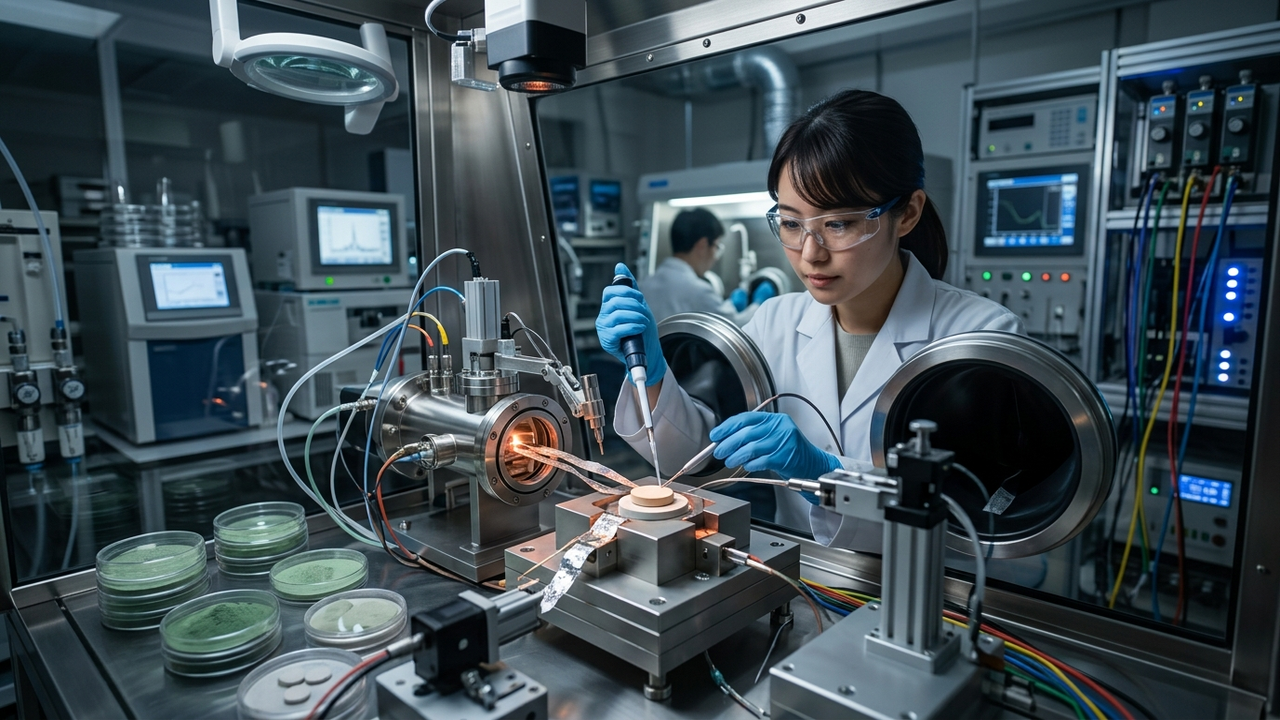
A significant breakthrough has been reported in the research and development of solid electrolytes, a core component of all-solid-state batteries. A newly discovered mechanism, termed ‘silver-zipping,’ enables the low-temperature sintering of oxide solid electrolytes, a process traditionally requiring extremely high temperatures. This technological innovation holds paramount importance for substantially reducing manufacturing costs and improving the production efficiency of all-solid-state batteries.
Technical and Manufacturing Details
While the full details of the ‘silver-zipping’ mechanism have not been entirely disclosed, reports indicate that specific silver-based compounds act as sintering aids, facilitating the bonding between oxide solid electrolyte particles at much lower temperatures. This process is said to form dense and stable solid electrolyte membranes while mitigating the risks of material degradation and phase transformation commonly encountered with conventional high-temperature sintering methods. Oxide-based solid electrolytes have long faced challenges due to their high sintering temperature requirements, in contrast to sulfide-based electrolytes which can be processed at relatively lower temperatures. The ‘silver-zipping’ mechanism provides a crucial solution to this. This low-temperature sintering technology holds particular promise for the manufacturing of laminated all-solid-state batteries, potentially easing co-sintering with electrode materials and enhancing interfacial compatibility.
Background and Industry Context
All-solid-state batteries are considered prime candidates for next-generation battery technology due to their superior safety and energy density. Oxide-based solid electrolytes, in particular, offer advantages such as chemical stability and non-toxicity. However, their manufacturing typically necessitates sintering at temperatures exceeding 1000°C, leading to escalated production costs and complexity. This high-temperature process also poses challenges for compatibility with electrode materials and other battery components. The establishment of low-temperature sintering technologies, such as ‘silver-zipping,’ is drawing significant attention from the entire industry as it addresses long-standing hurdles in the manufacturing of oxide-based solid-state batteries and could considerably lower barriers to mass production.
Future Outlook
Further research and application development of the ‘silver-zipping’ mechanism could dramatically improve the cost competitiveness of oxide-based all-solid-state batteries, enabling their deployment in a wider range of markets. Adoption is expected to accelerate particularly in sectors where cost and reliability are paramount, such as electric vehicles and large-scale energy storage systems. The key focus for the solid-state battery industry will be whether this technology can be successfully integrated into mass production processes and its efficacy empirically demonstrated. Furthermore, low-temperature processing offers greater material selection flexibility and design freedom, potentially contributing to enhanced performance of next-generation solid-state batteries.
Source: https://www.sciltp.com/journals/aes/articles/2606004435
Get our weekly technology intelligence — free
Receive an infographic that lets you judge at a glance whether each field’s analysis report is worth reading.
Subscribe Free — Weekly Tech Intelligence
By subscribing, you’ll receive Troy-Technical’s weekly technology intelligence newsletter.
- Your email and selected fields are used only to deliver the newsletter.
- We never share your information with third parties.
- You can unsubscribe anytime via the link in each email.
See our Privacy Policy for details.
Takes about a minute · Unsubscribe anytime





Comments