Key Findings
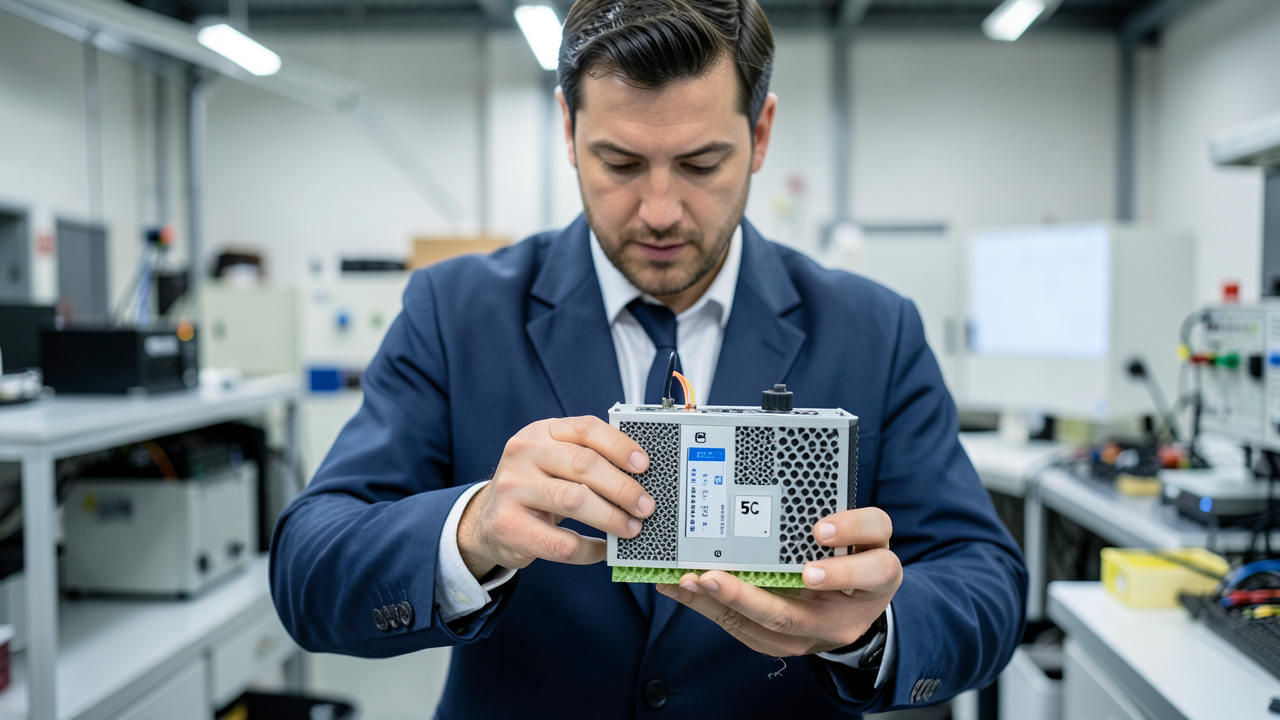
Researchers at DGIST in South Korea have dramatically improved the performance of lithium-sulfur (Li-S) batteries by developing nitrogen-doped porous carbon materials. This innovation enables rapid charging in 12 minutes at a high 5C rate, and crucially, achieves an impressive 82% capacity retention after 1,000 cycles, even with a high sulfur content (e.g., approximately 80%) in the cathode.
Technical Details
The key to this breakthrough lies in the design of the nitrogen-doped porous carbon material. This material plays a critical role in suppressing the “polysulfide shuttle effect,” a major challenge in Li-S batteries, and reduces undesirable side reactions between the electrolyte and active material. The incorporation of nitrogen atoms enhances interactions with Li-S chemical species within the carbon matrix, preventing polysulfide dissolution and diffusion. Moreover, the porous structure shortens ion diffusion pathways and improves electron conductivity, enabling rapid charging capabilities. This combination allows for both high energy density and long cycle life, effectively addressing a bottleneck in the commercialization of Li-S batteries. Conventional Li-S batteries typically suffered from shorter cycle lives and limited fast-charging performance.
Background & Context
Lithium-sulfur batteries have garnered significant attention as a leading candidate for next-generation batteries due to their high theoretical energy density (approximately 2,500 Wh/kg, about five times that of lithium-ion batteries) and the ability to use abundant, inexpensive sulfur as a cathode material. They hold the potential to revolutionize various applications, including extended range for electric vehicles and increased flight times for drones. However, technical challenges such as sulfur’s large volume change, the polysulfide shuttle effect, and low conductivity have hindered commercialization efforts. DGIST’s research represents a crucial step towards overcoming these challenges, advancing the maturity of Li-S battery technology and accelerating its market introduction.
Strategic Significance & Outlook
These research findings hold immense potential to significantly accelerate the commercialization of lithium-sulfur batteries. The rapid charging capability and high cycle stability, in particular, will enhance the appeal of Li-S batteries for a wide range of applications, including electric vehicles, drones, and portable electronic devices. Future efforts will focus on the scalability of this technology for mass production, further cost reduction, and validation of long-term reliability in real-world environments. DGIST’s breakthrough highlights South Korea’s important role in the next-generation battery development race and strengthens the pathway towards achieving a sustainable energy future.
Source: #
Get our weekly technology intelligence — free
Receive an infographic that lets you judge at a glance whether each field’s analysis report is worth reading.
Subscribe Free — Weekly Tech Intelligence
By subscribing, you’ll receive Troy-Technical’s weekly technology intelligence newsletter.
- Your email and selected fields are used only to deliver the newsletter.
- We never share your information with third parties.
- You can unsubscribe anytime via the link in each email.
See our Privacy Policy for details.
Takes about a minute · Unsubscribe anytime






Comments