Key Findings: ‘Plasteel®’ Nanocomposite Offers Breakthrough in Lightweight Radiation Shielding
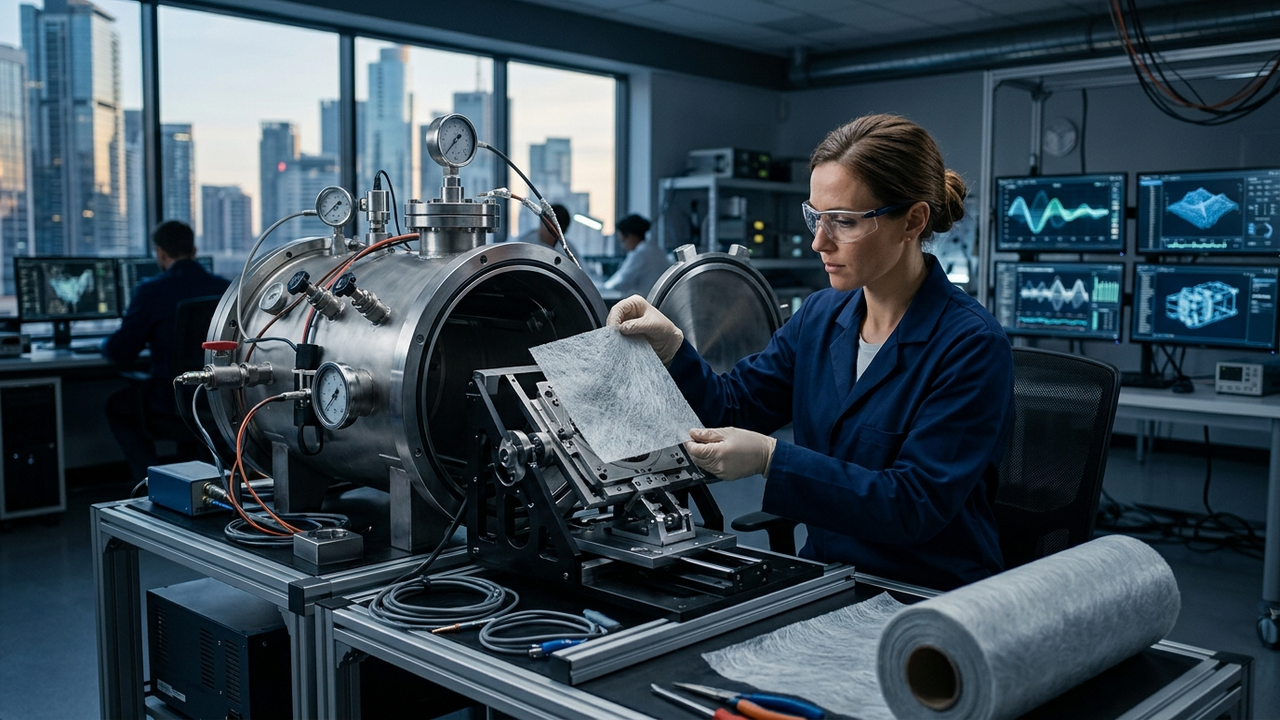
The new hydrogen-rich nanocomposite material, Plasteel®, has been unveiled as a game-changer in space radiation shielding. Developed by Cosmic Shielding Corporation, Plasteel® provides equivalent protection to traditional radiation-hardened systems while reducing mass by approximately 40% and cutting costs by up to 15 times. This advancement is critical for mitigating the harsh radiation environment in space, addressing a persistent challenge for long-duration missions and sensitive electronics.
Technical Details: Multifunctional Nanomaterials for Enhanced Performance
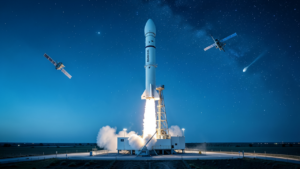
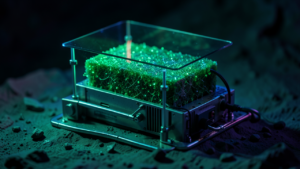
Plasteel® leverages a synergistic combination of nanomaterials to achieve its superior performance. Its hydrogen-rich composition effectively attenuates protons and other high-energy particles, which are primary components of space radiation. Boron nitride nanotubes (BNNTs) contribute both structural integrity and potent neutron absorption capabilities. Carbon nanotubes (CNTs) reinforce the material, creating high-strength, lightweight composites, while graphene enhances thermal conductivity and electromagnetic interference (EMI) shielding. Furthermore, specialized nanocrystalline coatings protect spacecraft surfaces from atomic oxygen degradation and micrometeoroid impacts. This versatile material has already been proven in orbit on missions for Axiom Space, Quantum Space, SpaceX, and Deimos, safeguarding AI-enabled GPUs, flight computers, and imaging systems.
Background & Industry Context: Meeting Demands for Deep Space and Commercial Missions
As humanity pushes towards sustained lunar presence and crewed missions to Mars, the demand for robust, lightweight materials capable of withstanding extreme space conditions—including radiation, temperature fluctuations, vacuum, and abrasive dust—is escalating. The ability to utilize cost-effective commercial off-the-shelf (COTS) electronics in space, rather than expensive custom-hardened components, is vital for the economic viability and scalability of the burgeoning space industry. Plasteel® directly addresses this need, enabling reduced launch mass and increased payload flexibility.
Future Outlook: Enabling Long-Duration Space Habitats and Broader Applications
The introduction of Plasteel® is poised to be a pivotal factor in ensuring astronaut safety and expanding the operational envelope for advanced electronics in future deep space missions. Beyond protecting critical hardware, it will play a crucial role in the construction of long-term lunar and Martian habitats, safeguarding both crew and vital power systems. This material technology is not limited to space; its applications could extend to terrestrial environments with high radiation levels, such as nuclear facilities, and any industry requiring robust protection for electronics operating in extreme conditions.
Source: https://www.azoquantum.com/Article.aspx?ArticleID=745
Get our weekly technology intelligence — free
Receive an infographic that lets you judge at a glance whether each field’s analysis report is worth reading.
Subscribe Free — Weekly Tech Intelligence
By subscribing, you’ll receive Troy-Technical’s weekly technology intelligence newsletter.
- Your email and selected fields are used only to deliver the newsletter.
- We never share your information with third parties.
- You can unsubscribe anytime via the link in each email.
See our Privacy Policy for details.
Takes about a minute · Unsubscribe anytime



Comments