Key Findings
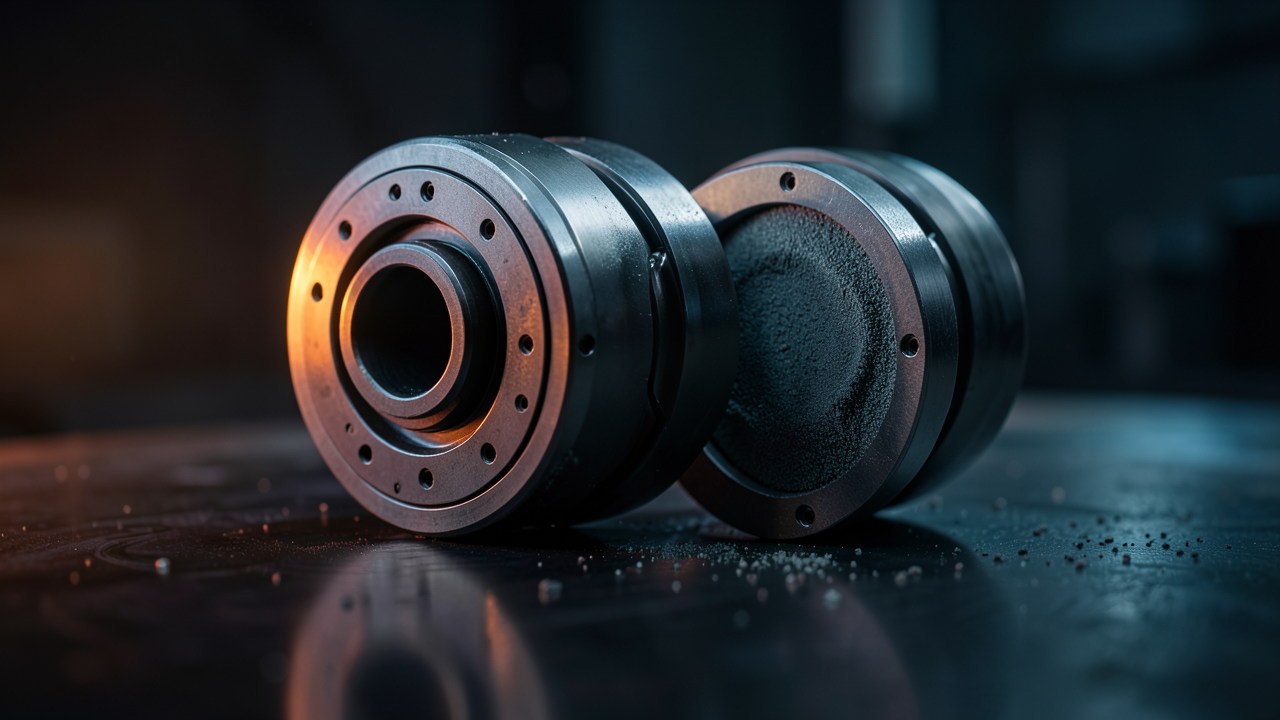
Kim Byung-soo, CEO of Robotis, has articulated a vision where robot actuators will attain a strategic significance equivalent to that of semiconductors in the unfolding era of physical Artificial Intelligence. He underscored that actuators, serving as the core ‘muscles’ and ‘joints’ of robotic systems, are the most expensive components in humanoid robots, often accounting for 40-60% of their total manufacturing cost. This perspective highlights actuator technology as a foundational pillar for the future robotics industry and, by extension, societal infrastructure at large.
Technical and Clinical Details
CEO Kim outlined two paramount criteria for superior robot actuators:
- Stable Task Execution via Powerful Torque: For robots to perform precise and forceful actions, actuators must deliver substantial torque. This capability enables consistent execution of diverse tasks, such as lifting heavy objects or manipulating complex tools. In humanoid robots, for instance, high torque output is indispensable for navigating uneven terrain or collaborating with humans on physical tasks.
- Impact Attenuation through Backdrivability (Flexibility): When a robot encounters unexpected external forces or collisions, its ability to absorb these impacts and minimize damage to itself and its surroundings—its ‘flexibility’ or backdrivability—is crucial. Actuators with high backdrivability enhance robot safety, facilitating more secure collaborative environments with humans. This is particularly vital for robots in close human contact, such as caregiving or service robots, where safety and reliability are paramount.
These characteristics are achieved through the highly integrated and optimized design of internal actuator components, including motors, reducers, encoders, and control drivers. Key to achieving both miniaturization and high torque density are frameless motors and high-efficiency, precision reducers like harmonic drives, which critically influence overall performance.
Background and Industry Context
As humanoid robot development accelerates globally, actuator performance directly dictates the functions robots can perform and their associated costs. Leading humanoid robots, such as Agility Robotics’ Digit and Tesla’s Optimus, aim for autonomous operation in diverse environments, demanding human-like dexterity, balance, and physical interaction capabilities. All these capabilities are underpinned by high-performance actuators. Currently, alongside the rapid advancements in AI software, a hardware bottleneck in actuators for executing AI in the physical world has become apparent. Consequently, investment and innovation in actuator technology are major drivers for the growth of the next-generation robotics industry.
Strategic Significance and Outlook
In a society increasingly permeated by physical AI, robot actuators will become a strategic technology as fundamental as semiconductor chips for data processing. The development of high-performance actuators will not only enhance robot capabilities but also open avenues for new services and business models across various sectors, including smart factories, autonomous vehicles, and healthcare. Future R&D is expected to focus on further miniaturization, improved energy efficiency, and enhanced durability and reliability. This technological revolution is an indispensable factor for realizing a future where humans and robots collaboratively thrive.
Source: https://www.mk.co.kr/en/business/12152416
Get our weekly technology intelligence — free
Receive an infographic that lets you judge at a glance whether each field’s analysis report is worth reading.
Subscribe Free — Weekly Tech Intelligence
By subscribing, you’ll receive Troy-Technical’s weekly technology intelligence newsletter.
- Your email and selected fields are used only to deliver the newsletter.
- We never share your information with third parties.
- You can unsubscribe anytime via the link in each email.
See our Privacy Policy for details.
Takes about a minute · Unsubscribe anytime





Comments