
Key Findings
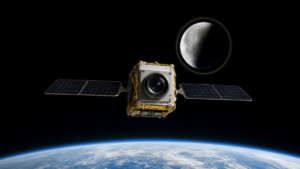
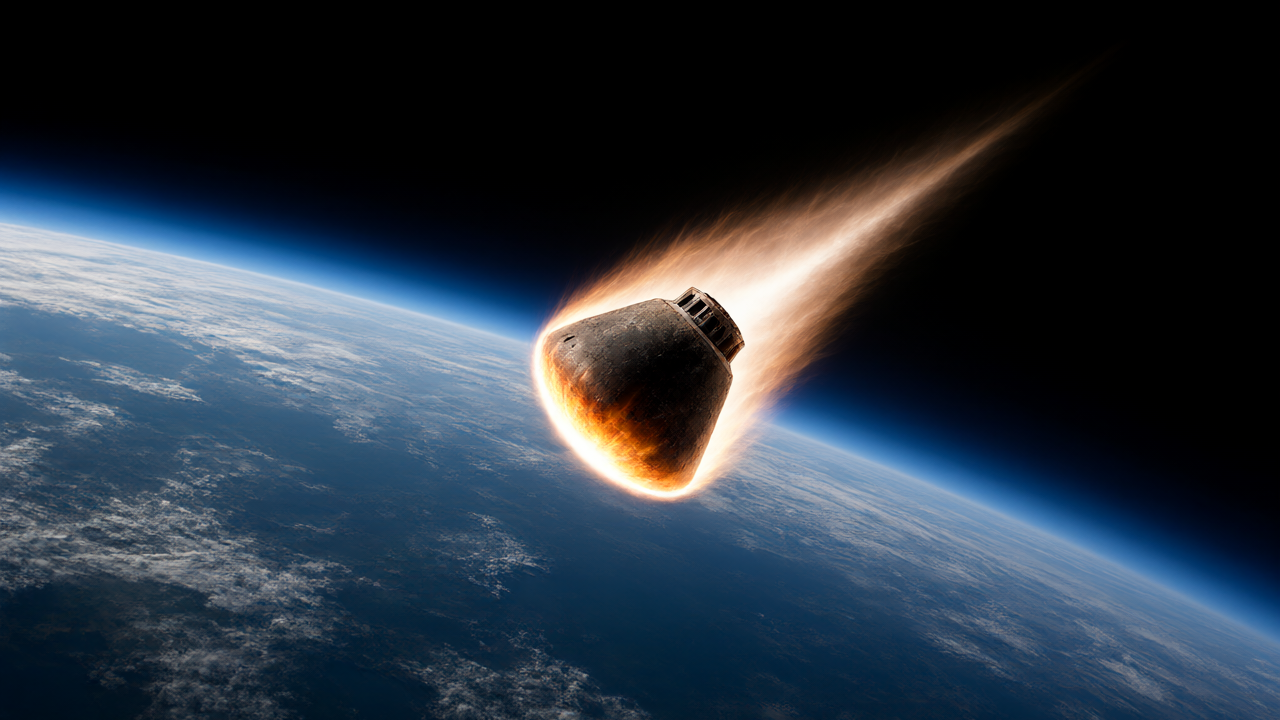
NASA has demonstrated a low-cost method for gathering flight data on thermal protection systems by deploying 12 small experimental capsules via a Northrop Grumman cargo resupply vehicle. The Kentucky Reentry Probe Experiment (KREPE-3) utilizes the final moments of a spacecraft’s lifespan—specifically as it breaks apart in Earth’s atmosphere—to test how various heat shield materials perform under real-world re-entry conditions.
Technical Details
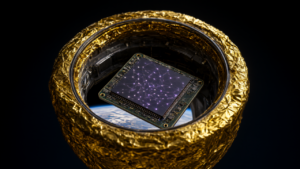
The capsules, designed by University of Kentucky students, are equipped with sensors to measure light, magnetic fields, motion, pressure, and temperature. The materials under evaluation include:
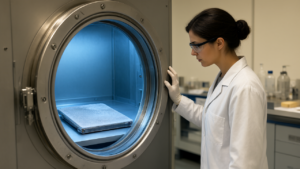
- MERINO (Materials Engineered for Re-entry using Innovative Needling Operations): A flexible, cost-effective material made of stitched carbon and phenolic fibers, optimized for the lower heat loads of Mars’ thinner atmosphere.
- 3D-Printed Shields: Developed via the Additive Manufacturing of Thermal Protective Systems project at NASA Johnson and Oak Ridge National Laboratory.
- PICA (Phenolic Impregnated Carbon Ablator): Tested on a capsule shaped like the Dragonfly mission’s aeroshell for Titan.
- Adaptable Deployable Entry and Placement Technology: An umbrella-shaped deployable shield designed to increase surface area and slow descent for payloads larger than their launch rockets.
- Dual-Cone Design: The Kentucky Instrumented Conical Hypersonic Experiment combines a tungsten tip with carbon and heat-resistant plastic fibers and a MERINO-wrapped aft cone.
Additionally, a heat flux sensor from the University of Stuttgart is being used to measure heat movement across surfaces.
Background & Context
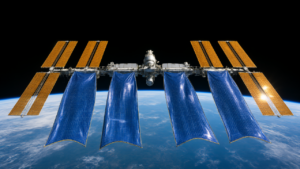
KREPE-3 is a collaboration between the University of Kentucky, the state of Kentucky, NASA’s Established Program to Stimulate Competitive Research (EPSCoR), and various federal and commercial partners. The experiment leverages the Cygnus XL spacecraft, which astronauts packed with waste before undocking from the International Space Station.
Significance & Outlook
This “hitchhiking” approach allows NASA to validate computer models against real-world data rapidly and affordably. The results will inform the design of larger heat shields required to protect future crew and cargo missions to the Moon and Mars.
Get our weekly technology intelligence — free
Receive an infographic that lets you judge at a glance whether each field’s analysis report is worth reading.
Subscribe Free — Weekly Tech Intelligence
By subscribing, you’ll receive Troy-Technical’s weekly technology intelligence newsletter.
- Your email and selected fields are used only to deliver the newsletter.
- We never share your information with third parties.
- You can unsubscribe anytime via the link in each email.
See our Privacy Policy for details.
Takes about a minute · Unsubscribe anytime