
Key Findings
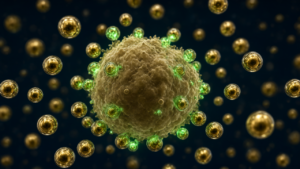
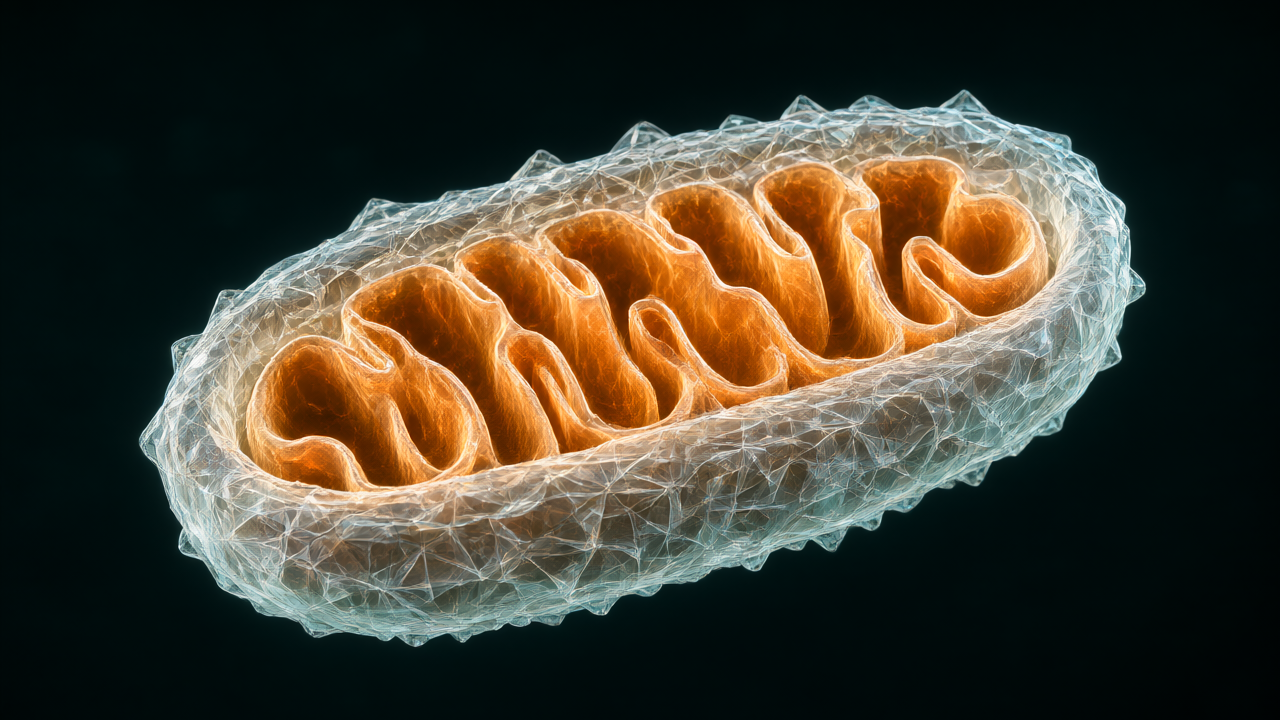
Scientists have successfully developed a technique to apply advanced material coatings to mitochondria—the energy-producing organelles of cells—without interfering with their essential biological functions. Tests confirmed that coated mitochondria continue to produce energy, overcoming a primary challenge where these delicate structures typically lose functionality upon surface modification.
Technical Details
The research team utilized Metal-Organic Frameworks (MOF), a class of advanced materials with customizable properties. The team developed a specific technique to apply tiny amounts of MOF material directly to the mitochondrial surface. This approach ensures that the bioenergetics of the mitochondria are preserved at micromolar concentrations, as detailed in the study published in the Journal of the American Chemical Society (JACS).
Background & Context
The project was a collaboration between the BraiNs laboratory, established in 2023, combining the mitochondrial biology expertise of Dr. Valeria Tiranti (FINCB) and the chemistry and materials engineering expertise of Professor Pierangelo Metrangolo (Politecnico di Milano). The research was led by PhD candidate Marco D’Amato and funded via the “CALabria HUB per Ricerca Innovativa ed Avanzata (Cal.Hub.Ria)” project under the Ministry of Health’s Health Operational Plan (POS). The importance of MOF materials was further highlighted by the 2025 Nobel Prize in Chemistry awarded to Susumu Kitagawa, Richard Robson, and Omar Yaghi.
Significance & Outlook
Mitochondrial diseases primarily affect energy-intensive organs such as the brain and muscles, and current treatment options are limited. The ability to customize MOF coatings opens several research prospects:
- Functional Customization: Developing coatings with specific characteristics based on the desired therapeutic objective.
- Mitochondrial Transplantation: Facilitating the delivery of healthy mitochondria into cells with malfunctioning organelles.
- Enhanced Interaction: Improving the interaction between transplanted mitochondria and the receiving cells.
Further research is required to prove whether coated mitochondria perform better during transplantation than those without coatings.
Source: https://www.sciencedaily.com/releases/2026/10/261012185008.htm
Get our weekly technology intelligence — free
Receive an infographic that lets you judge at a glance whether each field’s analysis report is worth reading.
Subscribe Free — Weekly Tech Intelligence
By subscribing, you’ll receive Troy-Technical’s weekly technology intelligence newsletter.
- Your email and selected fields are used only to deliver the newsletter.
- We never share your information with third parties.
- You can unsubscribe anytime via the link in each email.
See our Privacy Policy for details.
Takes about a minute · Unsubscribe anytime