


Key Findings
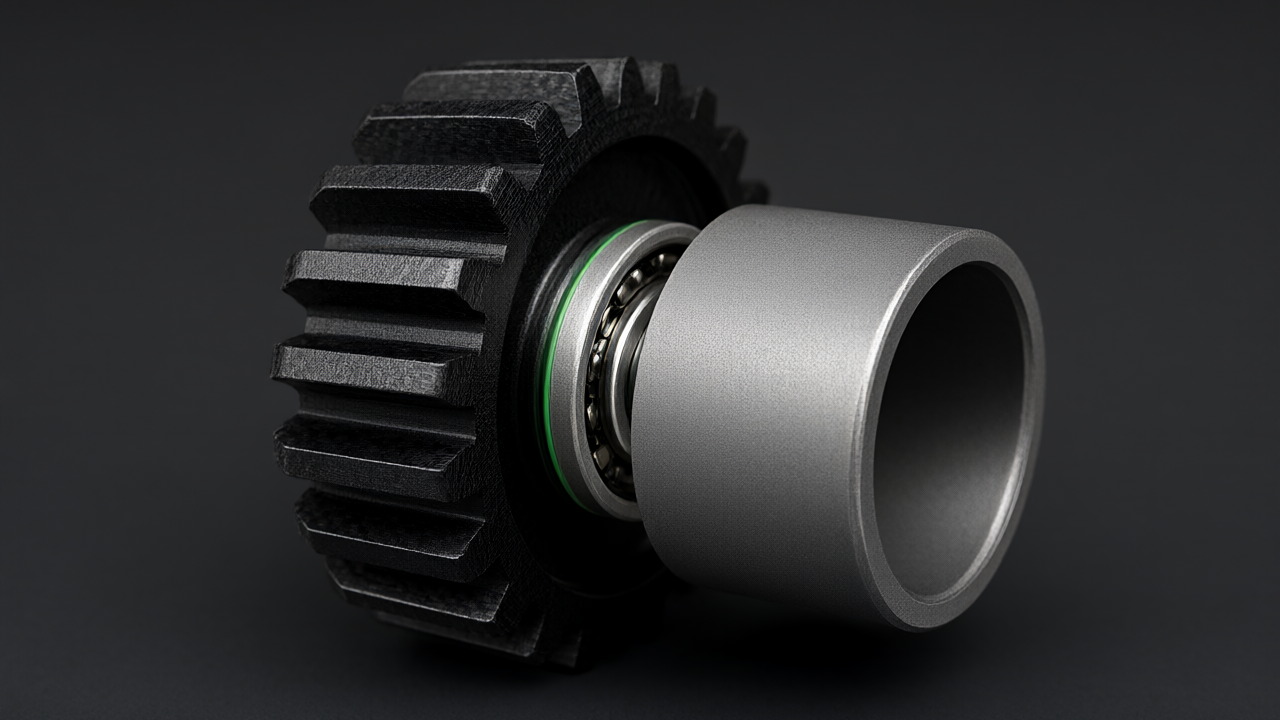
Teijin Ltd. has expanded its PFAS-free portfolio with new sliding grades of Solfiga, a family of polyphenylene sulfide (PPS) compounds. These grades are engineered to provide sliding properties without the use of intentionally added per- and polyfluoroalkyl substances (PFAS), addressing the need for regulatory compliance in high-friction applications.
Technical Details
The new Solfiga grades utilize two different reinforcement types to meet specific mechanical requirements:
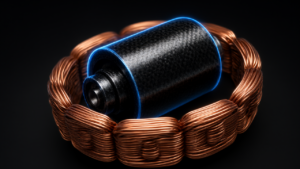
- Carbon fiber-reinforced grade: Designed for components operating under high-load conditions, providing increased strength and rigidity.
- Aramid fiber-reinforced grade: Reduces the coefficient of friction (CoF) by approximately 70% compared to conventional products that lack sliding agents. Its flexibility further reduces damage to mating materials and simplifies assembly adjustments.
Both materials are designed for enhanced wear resistance and extended service life, with a reduced likelihood of scratching metal components such as aluminum. Teijin can adjust the amount of fiber reinforcement to formulate the compounds for various operating conditions.
Background & Context
The target applications for these PPS compounds include gears, actuators, valves, and seating within the automotive, industrial machinery, and electrical/electronic equipment sectors. This launch complements Teijin’s existing PFAS-free offerings, which include a polybutylene naphthalate (PBN) resin. The PBN resin is specifically suited for industrial equipment—such as bearings, gears, and chemical mechanical polishing rings for semiconductor manufacturing—due to its low extractables and chemical resistance.
Significance & Outlook
By removing intentionally added PFAS while maintaining sliding performance, Teijin provides a pathway for engineers to maintain technical specifications in wear-resistant components while adhering to tightening environmental regulations. The ability to vary reinforcement levels allows for a broad range of application across diverse industrial and automotive operating environments.
Get our weekly technology intelligence — free
Receive an infographic that lets you judge at a glance whether each field’s analysis report is worth reading.
Subscribe Free — Weekly Tech Intelligence
By subscribing, you’ll receive Troy-Technical’s weekly technology intelligence newsletter.
- Your email and selected fields are used only to deliver the newsletter.
- We never share your information with third parties.
- You can unsubscribe anytime via the link in each email.
See our Privacy Policy for details.
Takes about a minute · Unsubscribe anytime