

Key Findings
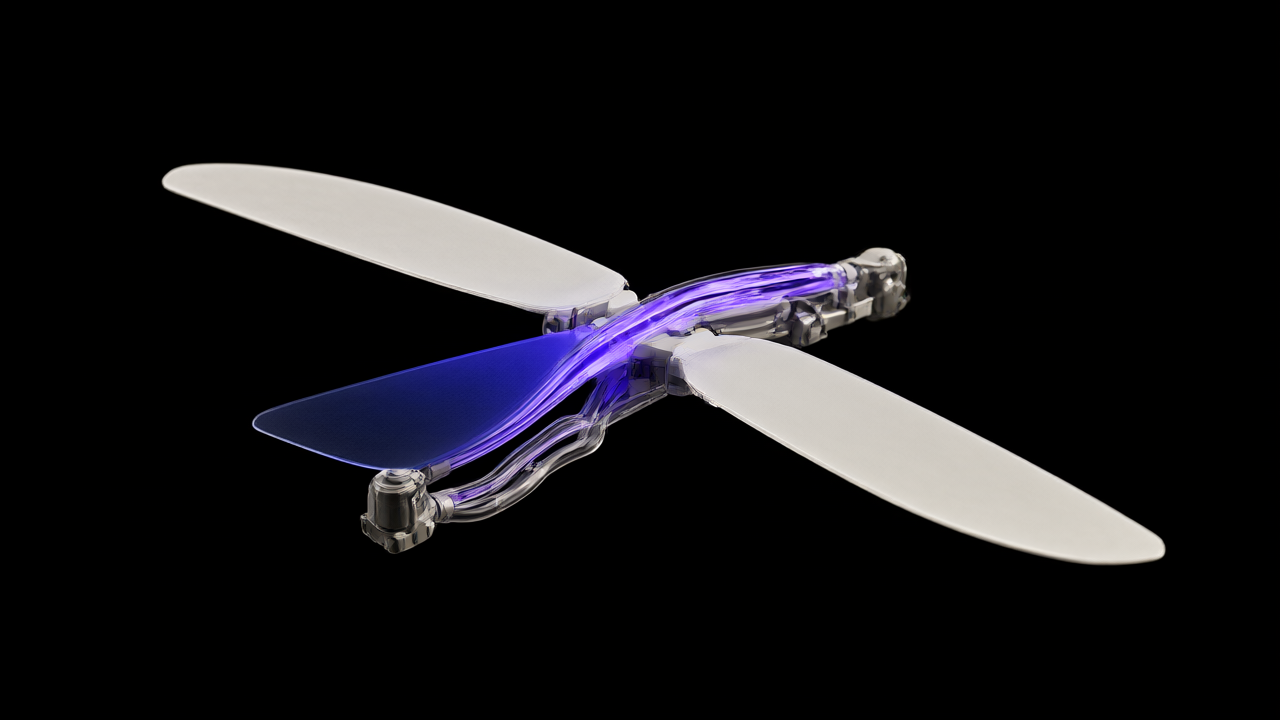
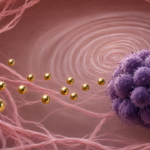
Engineers have created a prototype robot that can grow new sensors within its own body using a circulatory system. Unlike traditional robots with fixed hardware, this robo-moth uses chemicals in its artificial blood to create a sensor wherever UV light is applied to its 3D-printed plastic body. This allows the environment to pattern the robot’s sensing capabilities based on real-time needs.
Technical Details
The robot’s body consists of transparent 3D-printed plastic integrated with gold wires and tiny veins. A pump circulates approximately 3 ml of liquid containing pyrrole and a light-activated additive. When UV light hits a specific patch of the body, the pyrrole transforms into polypyrrole, an electrically conductive plastic, turning the patch black and creating a sensor. The liquid seeps about a hundredth of a millimeter into the surrounding plastic.
- Functionality: When UV light hits the grown sensor, electrical resistance drops, triggering an onboard chip to blink an LED or flap the wings.
- Durability: The sensor remained functional after four months in storage.
- Current Limitations: The robot cannot yet fly independently; wings are moved by nitinol wires heated by an external power supply. The sensor growth process is irreversible.
Background & Context
This research builds on a history of self-mending and self-constructing robotics. Previous examples include Cornell’s 2022 soft robot with self-healing optical sensors and IIT’s FiloBot, which 3D-prints its own body. Additionally, Cornell developed robot blood for energy storage in jellyfish and worm bots in 2025.
Significance & Outlook
The primary advantage of this system is the ability to add functions that were not present at the factory. The researchers have conducted initial tests to power the microprocessor using reagents in the fluid, suggesting a future where energy is stored in the blood. The team envisions that within 10 years, artificial circulatory systems will be a standard choice for specific robotic applications, allowing the fluid to be flushed and reused with different chemical mixtures.
Source: https://newatlas.com/robotics/tartu-iit-robot-moth-artificial-blood-uv-sensor/
Get our weekly technology intelligence — free
Receive an infographic that lets you judge at a glance whether each field’s analysis report is worth reading.
Subscribe Free — Weekly Tech Intelligence
By subscribing, you’ll receive Troy-Technical’s weekly technology intelligence newsletter.
- Your email and selected fields are used only to deliver the newsletter.
- We never share your information with third parties.
- You can unsubscribe anytime via the link in each email.
See our Privacy Policy for details.
Takes about a minute · Unsubscribe anytime