


Key Findings
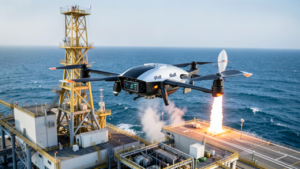
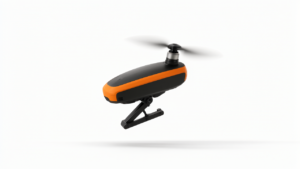
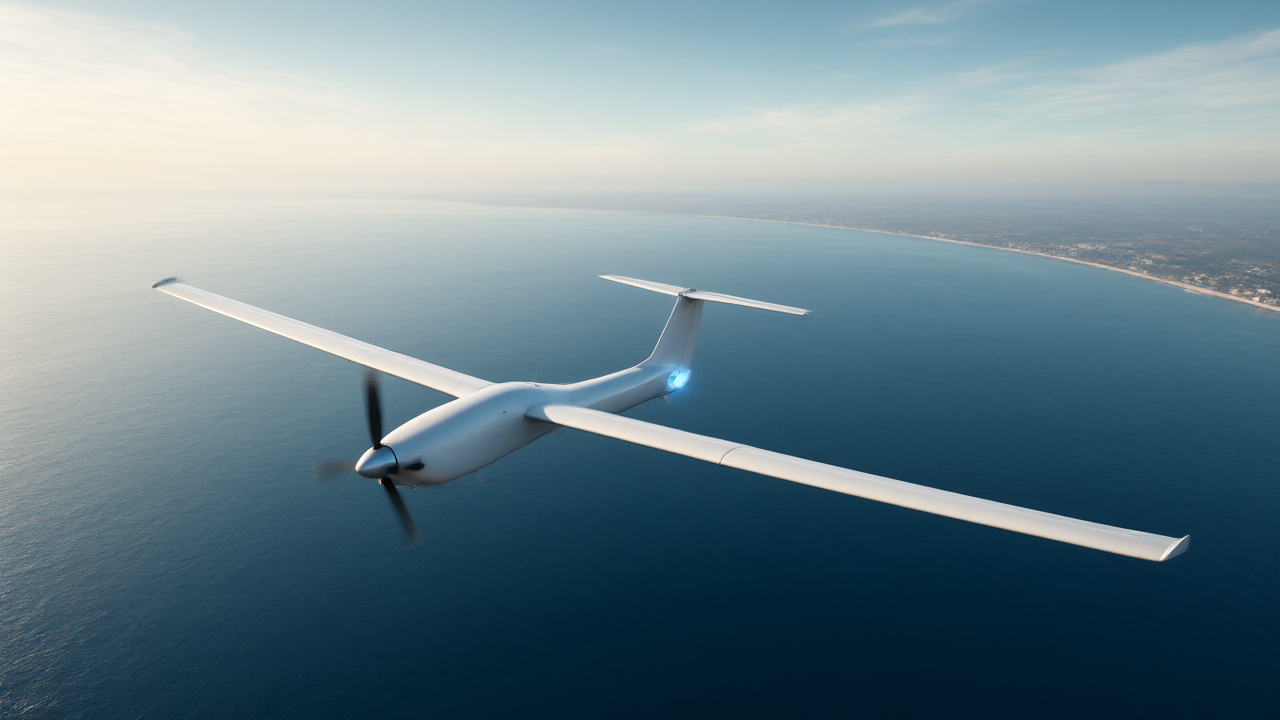
A research team led by Dr. Yang Cheol-nam at the Korea Institute of Materials Science (KIMS) has demonstrated a high-energy-density fuel cell power source for UAVs. In a flight test conducted at the Miryang Drone Test Flight Practice Center, a fixed-wing UAV equipped with this power source flew 918km in 12 hours and 16 minutes. Including ground operation after landing, the power source operated continuously for a total of 17 hours and 6 minutes.
Technical Details
To overcome the weight-to-capacity limitations of lithium-ion batteries, the research team developed a fuel cell stack using lightweight, high-strength titanium for the metal bipolar plates. The bipolar plates serve as conduits for hydrogen and air while conducting electricity between cells.
- Energy Density: The system reached 801.8Wh/kg, a significant increase from the 606Wh/kg recorded last year (an improvement of approximately 32%).
- Comparison: This density is roughly four times higher than conventional lithium-ion batteries, which typically average around 200Wh/kg.
- Operational Duration: The system maintained operation until the hydrogen tank pressure reached 10bar.
Background and Context
The project was supported by the Ministry of Science and ICT as a KIMS basic project. The development leveraged a decade of accumulated expertise in fuel cell systems and lightweight materials. The UAV airframe was produced by Light Model, while flight control was managed by Mir Flight Technology, with cooperation from Miryang City.
Significance and Outlook
The low noise and vibration characteristics of fuel cells make this technology suitable for stealthy UAV operations. Potential applications include long-endurance reconnaissance, surveillance, and communication relay in mountainous regions where infrastructure is lacking. KIMS is currently negotiating technology transfers with related companies, targeting commercialization by the first half of 2027. Dr. Yang Cheol-nam noted that replacing high-pressure hydrogen tanks with liquid hydrogen storage could potentially enable continuous flight for approximately two days.
Source: https://www.mhns.co.kr/news/articleView.html?idxno=765348
Get our weekly technology intelligence — free
Receive an infographic that lets you judge at a glance whether each field’s analysis report is worth reading.
Subscribe Free — Weekly Tech Intelligence
By subscribing, you’ll receive Troy-Technical’s weekly technology intelligence newsletter.
- Your email and selected fields are used only to deliver the newsletter.
- We never share your information with third parties.
- You can unsubscribe anytime via the link in each email.
See our Privacy Policy for details.
Takes about a minute · Unsubscribe anytime