Key Findings
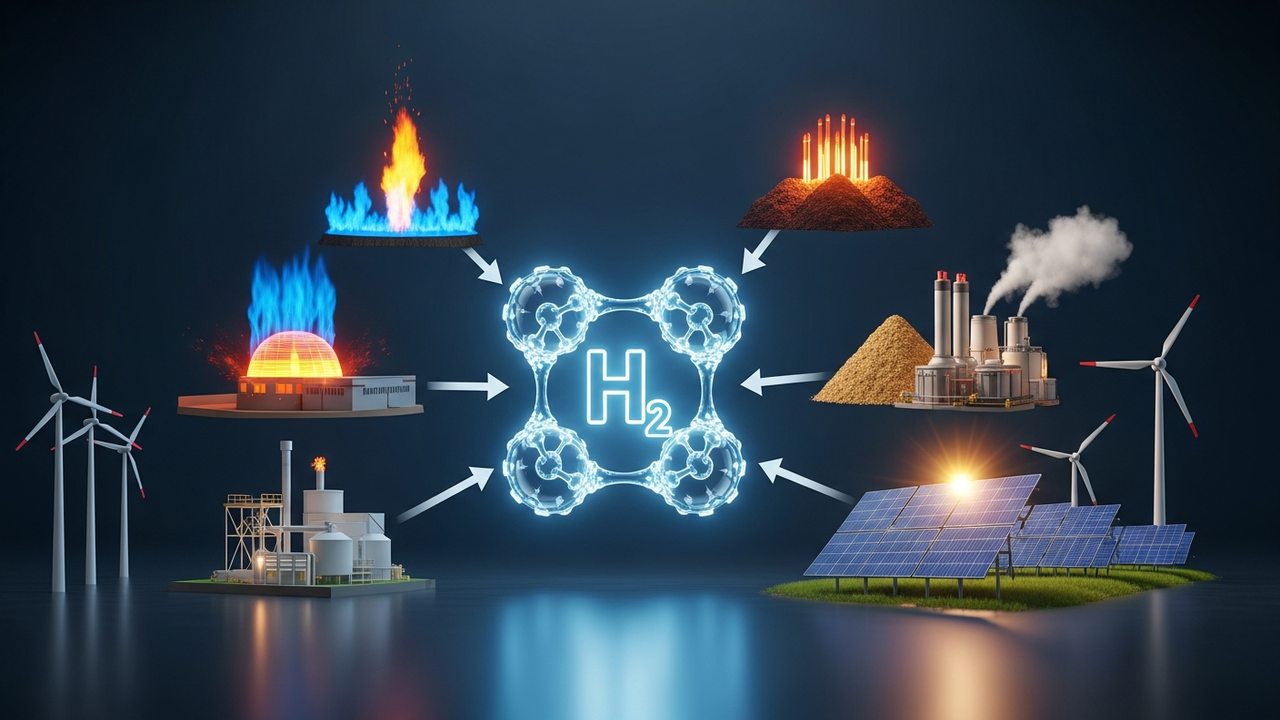
The U.S. Department of Energy (DOE) has reiterated that hydrogen can be produced from a wide array of domestic resources, including natural gas, nuclear power, biomass, solar energy, and wind power, underscoring its critical versatility in the clean energy transition. The unique characteristic of producing only water when consumed in fuel cells makes hydrogen an exceptionally appealing fuel option for both transportation and electricity generation applications, driving significant interest in its development and deployment.
Technical / Clinical Details
- Diverse Production Pathways:
- Natural Gas Reforming: Currently the most common method, producing hydrogen from methane. When coupled with Carbon Capture and Storage (CCS) technology, it yields low-carbon ‘blue’ hydrogen.
- Electrolysis: The process of splitting water into hydrogen and oxygen using electricity. If powered by renewable energy (solar, wind, hydro), it results in ‘green’ hydrogen with zero CO2 emissions. Nuclear-powered electrolysis produces ‘pink’ hydrogen.
- Biomass: Hydrogen can be produced through gasification or fermentation of biological resources. This method integrates into the carbon cycle, potentially offering low-emission or carbon-neutral options.
- Solar-Driven Processes: Ongoing research focuses on direct utilization of solar energy to produce hydrogen from water, such as through photocatalysis and photoelectrochemical (PEC) water splitting. These methods hold promise for bypassing electricity generation, potentially increasing overall efficiency.
- Biological Processes: Microorganisms like algae and bacteria are being studied for their ability to produce hydrogen through metabolism of sunlight or organic matter. This approach is gaining attention as a potentially low-cost and environmentally friendly production method.
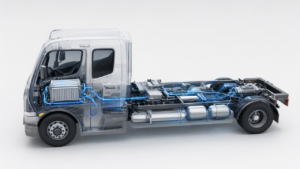
- Fuel Cell Advantages: Hydrogen fuel cells generate electricity with high efficiency, producing only water as a byproduct, thereby emitting zero air pollutants. This enables their use in various applications, including clean transportation, stationary power generation, and backup power systems.
Background & Context
Hydrogen is poised to play a crucial dual role in enhancing energy security and combating climate change. Its capability to be produced from diverse domestic resources significantly reduces reliance on any single energy source and contributes to the diversification of the energy portfolio. The DOE’s strategic initiatives aim to accelerate the shift from predominantly fossil fuel-derived hydrogen production to cleaner, more sustainable methods, thereby increasing the flexibility and resilience of future energy systems and driving the broader clean energy transition.
Strategic Significance & Outlook
The research, development, and commercialization of these diverse hydrogen production pathways are vital drivers for establishing a robust hydrogen economy. The widespread adoption of electrolysis powered by renewable energy, along with the practical application of solar-driven and biological processes, will further reduce the cost of green hydrogen and expand its utility. This progress is expected to accelerate decarbonization across the transportation, industrial, and power sectors, paving a clearer path toward a sustainable energy future, ensuring both environmental stewardship and economic growth.
Source: https://www.energy.gov/cmei/fuels/hydrogen-fuel-basics
Get our weekly technology intelligence — free
Receive an infographic that lets you judge at a glance whether each field’s analysis report is worth reading.
Subscribe Free — Weekly Tech Intelligence
By subscribing, you’ll receive Troy-Technical’s weekly technology intelligence newsletter.
- Your email and selected fields are used only to deliver the newsletter.
- We never share your information with third parties.
- You can unsubscribe anytime via the link in each email.
See our Privacy Policy for details.
Takes about a minute · Unsubscribe anytime