Background
Germany stands as a global leader in climate action and energy transition, with hydrogen identified as a central pillar of its long-term strategy. Specialized research institutions such as ZBT are indispensable for laying the technological foundation required to achieve these ambitious national goals. By effectively bridging the gap between fundamental research and industrial applications, Germany aims to accelerate innovation in hydrogen technologies, thereby maintaining and strengthening its industrial competitiveness in the global clean energy race.
Key Findings
The ZBT (Hydrogen and Fuel Cell Center) in Germany has firmly established itself as a leading European research and development institution across the critical domains of fuel cells, hydrogen technologies, and electrolysis processes. ZBT plays a pivotal role in bridging fundamental research with pressing industrial application needs, actively driving the development of innovative hydrogen energy solutions specifically tailored for automotive applications and stationary power generation systems.
Technical Deep Dive
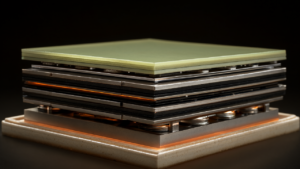
- Extensive Research Portfolio: ZBT comprehensively addresses the entire spectrum of technologies essential for hydrogen production, storage, transport, and utilization. Their specific work encompasses the development of high-performance fuel cell stacks, substantial enhancements in electrolyzer efficiency, pioneering research into advanced hydrogen storage materials, and rigorous evaluation of the safety and reliability of integrated hydrogen systems. This holistic approach tackles critical challenges throughout the hydrogen value chain.
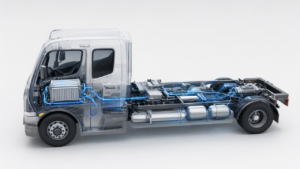
- Focus on Automotive Applications: ZBT conducts targeted research aimed at significantly improving the efficiency, durability, and cost-effectiveness of fuel cell electric vehicles (FCEVs). This includes optimizing automotive fuel cell systems, advancing hydrogen tank technologies, and developing robust associated refueling infrastructure solutions to accelerate widespread adoption within the transport sector.
- Applications in Stationary Power Generation: The center is actively involved in the research and development of stationary fuel cell power generation systems across diverse scales, ranging from residential to industrial. These systems are engineered to function as decentralized power sources and reliable backup power solutions, designed for seamless integration with renewable energy sources, thereby contributing significantly to grid stabilization and broader decarbonization initiatives.
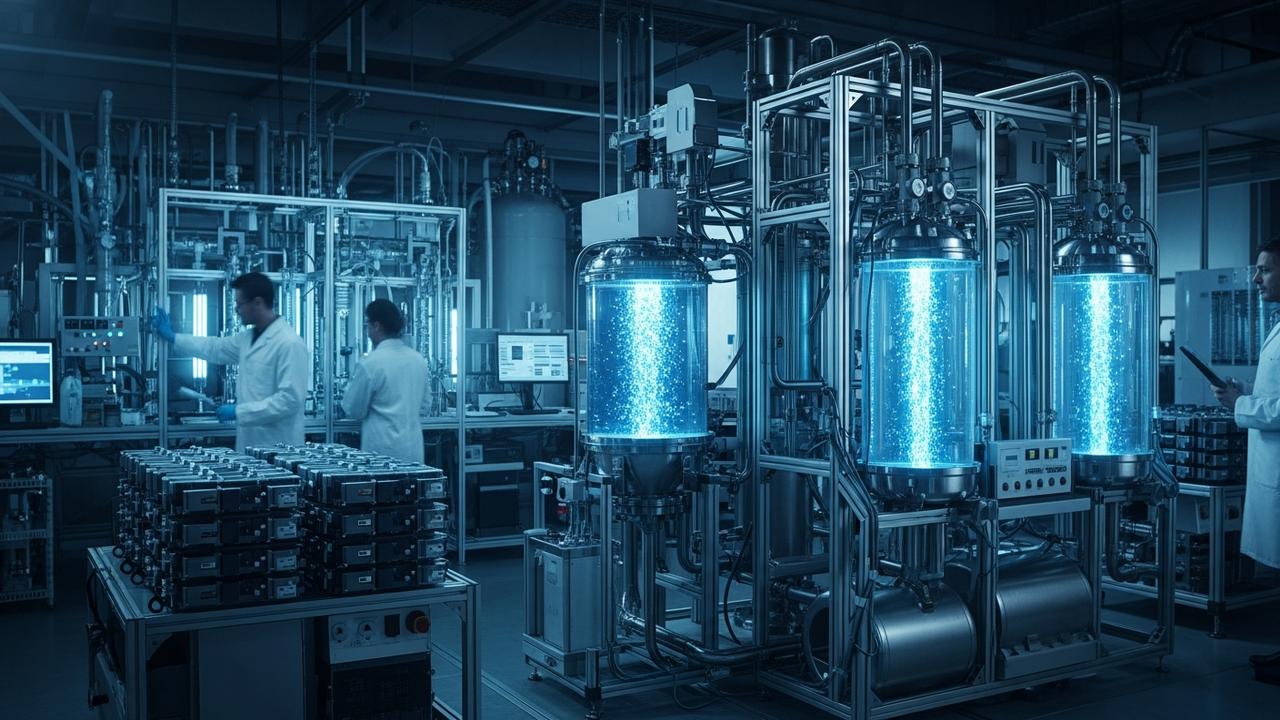
- Electrolysis Process Technologies: A core area of ZBT’s expertise lies in advancing electrolysis process technologies, specifically focusing on improving performance, extending lifespan, and reducing the manufacturing costs of various electrolyzer types (such as PEM, alkaline, and solid oxide electrolyzers). These advancements are crucial for cost-effective green hydrogen production and directly underpin the commercial viability of sustainable hydrogen as an energy carrier.
Strategic Significance & Outlook
ZBT’s ongoing research and development efforts are anticipated to significantly accelerate the commercialization of fuel cell and hydrogen technologies, thereby making a decisive contribution to Germany’s and Europe’s ambitious decarbonization targets. Specifically, the expanded adoption of fuel cells in the automotive sector and the broader utilization of hydrogen in stationary power generation will substantially enhance the flexibility and sustainability of future energy systems. ZBT’s deep expertise and strong collaborative ties with industry partners are critical for overcoming persistent technological challenges and serving as a powerful driving force towards building a cleaner, more sustainable future powered by a robust hydrogen economy.
Source: https://www.zbt.de/en/
Get our weekly technology intelligence — free
Receive an infographic that lets you judge at a glance whether each field’s analysis report is worth reading.
Subscribe Free — Weekly Tech Intelligence
By subscribing, you’ll receive Troy-Technical’s weekly technology intelligence newsletter.
- Your email and selected fields are used only to deliver the newsletter.
- We never share your information with third parties.
- You can unsubscribe anytime via the link in each email.
See our Privacy Policy for details.
Takes about a minute · Unsubscribe anytime