Key Findings
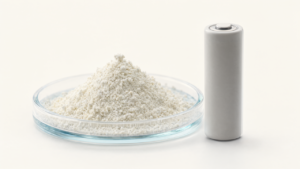
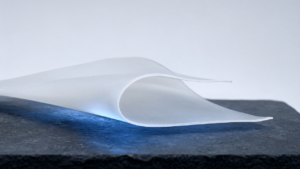
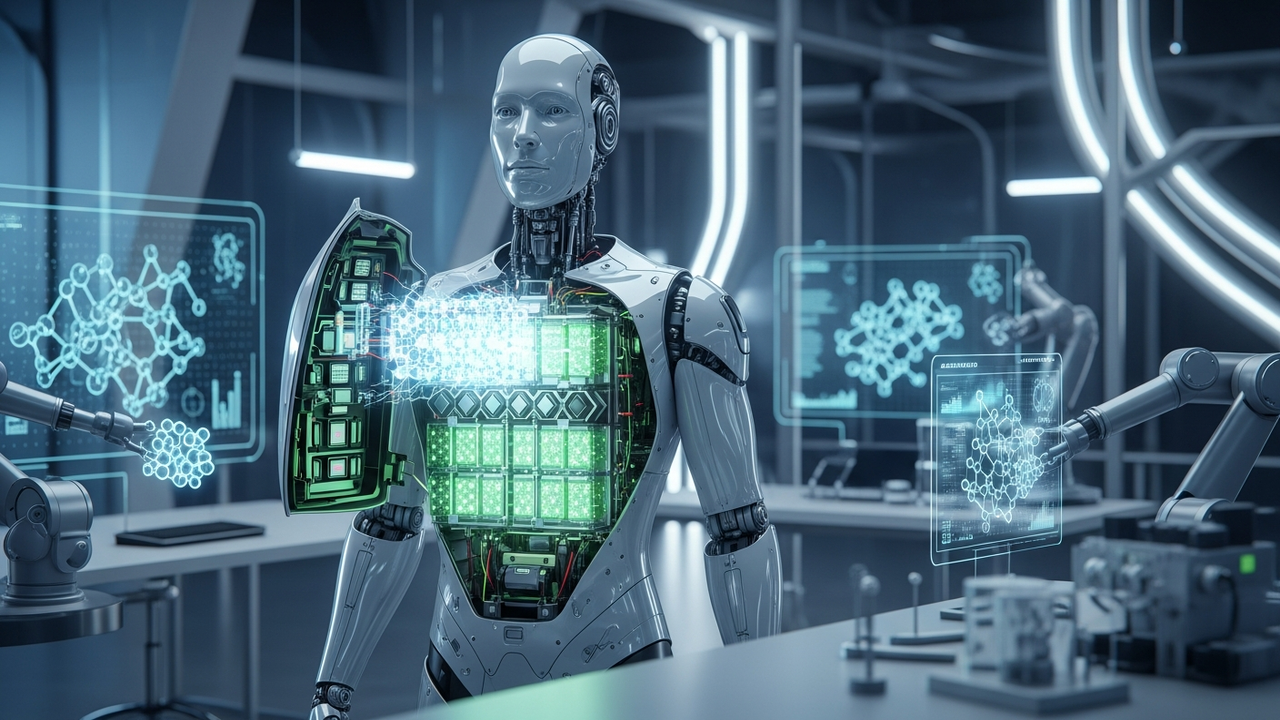
For next-generation applications, including humanoid robotics, all-solid-state batteries (ASSBs) offer the potential to overcome limitations of traditional battery technologies by significantly improving both capacity and safety. This is achieved by replacing conventional polymer separators and organic liquid electrolytes with solid-state electrolytes, thereby maximizing active material within the cell and consequently reducing the overall battery weight and volume.
Technical Details
One of the primary advantages of ASSBs is their ability to physically suppress the growth of dendrites, which are tree-like metallic structures. Dendrite growth is a major cause of internal short circuits and safety hazards in lithium-ion batteries, posing a severe problem, especially for high-energy-density batteries employing lithium metal anodes. Currently, common solutions to suppress dendrite growth include optimizing the interface design between the anode and the solid electrolyte or applying high external pressure to the battery cell. However, these approaches face practical challenges related to manufacturing costs, design complexity, and long-term reliability. Consequently, intensive research and development are underway to discover more innovative interfacial stabilization techniques and new solid electrolyte materials that can effectively suppress dendrite growth while relaxing the stringent requirements like high-pressure application.
Background & Context
Humanoid robots demand extended operating times, high power output, and safe operation, making high-performance batteries indispensable. Conventional liquid electrolyte lithium-ion batteries have imposed limitations on robot design and operation due to their inherent limits in energy density and safety. ASSBs, with their reduced risk of fire, higher energy density, and extended lifespan, possess the potential to dramatically enhance robot autonomy, mobility, and safety. This technology will be key to accelerating the adoption of robots in diverse application areas, including manufacturing, healthcare, and services.
Strategic Significance & Outlook
Establishing practical solutions for dendrite growth suppression is critical for the commercialization of ASSBs for humanoid robots. If optimized interface designs and advancements in material science lead to ASSBs that perform stably without requiring high external pressure, robot batteries will become smaller, lighter, and even safer, enabling them to perform more complex and prolonged tasks. This progress is expected to have broad implications not only for humanoid robots but also for other mobile applications such as drones, wearable devices, and medical equipment, ushering in a new era of advanced mobile power solutions.
Source: https://pmc.ncbi.nlm.nih.gov/articles/PMC13418515/
Get our weekly technology intelligence — free
Receive an infographic that lets you judge at a glance whether each field’s analysis report is worth reading.
Subscribe Free — Weekly Tech Intelligence
By subscribing, you’ll receive Troy-Technical’s weekly technology intelligence newsletter.
- Your email and selected fields are used only to deliver the newsletter.
- We never share your information with third parties.
- You can unsubscribe anytime via the link in each email.
See our Privacy Policy for details.
Takes about a minute · Unsubscribe anytime