Key Findings
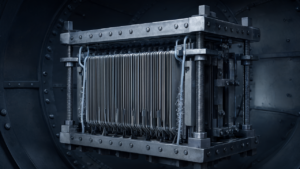
NASA is advancing the development of innovative Regenerative Fuel Cell (RFC) technology, designed to function similarly to rechargeable batteries, to address the challenges of long-duration energy storage for future space exploration missions. This system is capable of not only converting chemical energy into electrical energy but also regenerating hydrogen and oxygen using external power sources.
Technical Details
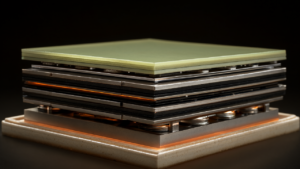
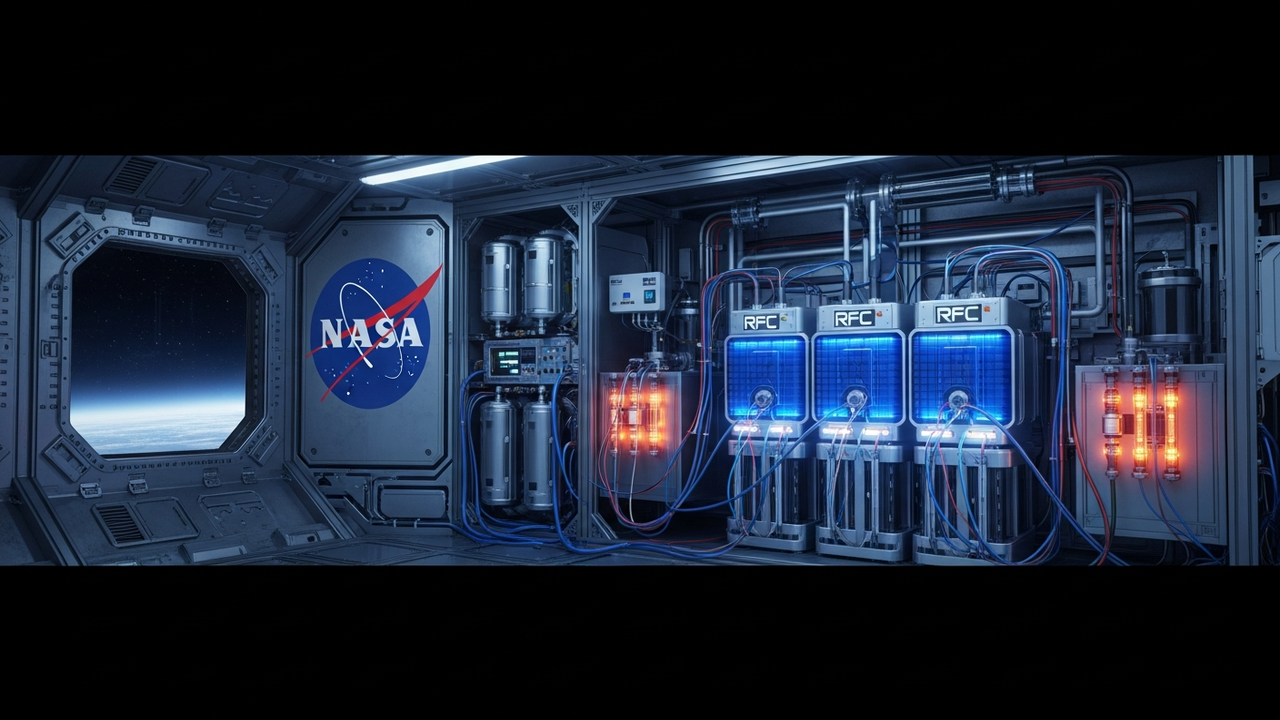
A Regenerative Fuel Cell (RFC) system typically consists of several key subsystems: a fuel cell (for electricity generation), an electrolyzer (for hydrogen and oxygen production), fluid and electrical processing units, and reactant (hydrogen and oxygen) storage subsystems. During periods of low power demand or when excess power is available, the electrolyzer operates, splitting water into hydrogen and oxygen for storage. When power demand is high, the fuel cell then uses the stored hydrogen and oxygen to generate electricity. This bidirectional capability makes RFCs systems capable of far longer energy storage than conventional batteries. In space environments, reliable long-term energy storage solutions are critical for providing power during extended night cycles on planetary surfaces or for deep-space missions where solar power is unavailable.
Background & Context
For long-duration space missions, particularly on planetary surfaces like the Moon or Mars, providing sufficient energy supply using only traditional battery technology is challenging due to diurnal cycles and harsh environmental conditions. RFCs significantly enhance mission autonomy and sustainability by efficiently storing electricity from primary energy sources like solar power and discharging it when needed. NASA prioritizes the establishment of energy infrastructure for lunar exploration missions like Artemis, and for crewed Mars missions, positioning RFCs as a core technology within this framework.
Strategic Significance & Outlook
This NASA Regenerative Fuel Cell technology holds the potential to revolutionize energy management for lunar bases, planetary rovers, and deep-space exploration. The enhanced long-term autonomy and reliability will enable more ambitious and sustainable space missions. Furthermore, there is potential for terrestrial spin-off applications, such as large-scale grid storage systems to buffer renewable energy intermittency, or as remote power supply solutions. NASA’s research not only benefits space endeavors but also contributes to the advancement of clean energy technologies on Earth.
Source: https://techport.nasa.gov/projects/116307
Get our weekly technology intelligence — free
Receive an infographic that lets you judge at a glance whether each field’s analysis report is worth reading.
Subscribe Free — Weekly Tech Intelligence
By subscribing, you’ll receive Troy-Technical’s weekly technology intelligence newsletter.
- Your email and selected fields are used only to deliver the newsletter.
- We never share your information with third parties.
- You can unsubscribe anytime via the link in each email.
See our Privacy Policy for details.
Takes about a minute · Unsubscribe anytime