Key Findings
The adoption of perfusion technology in biopharmaceutical manufacturing is rapidly advancing, with a BioPlan Associates survey released in August 2026 indicating that the use of single-use perfusion equipment has doubled from 33.1% in 2016 to 65.8% across all production stages. This significant increase signals a widespread acceleration towards continuous biomanufacturing, reflecting a growing industry focus on enhancing production efficiency and reducing costs.
Technical and Clinical Details
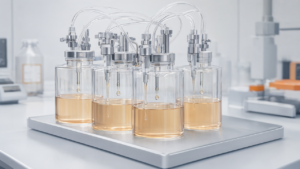
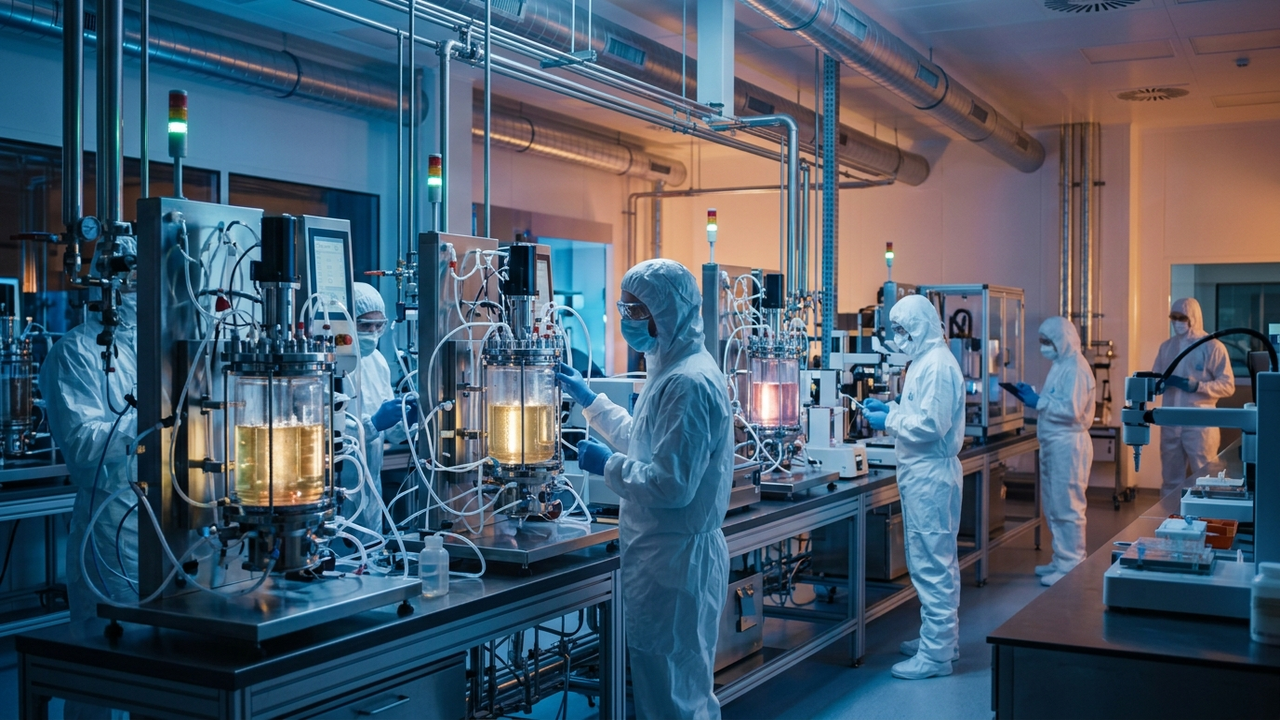
Perfusion technology enables cells to be maintained at high viable densities by continuously removing spent media and supplying fresh media to the bioreactor. This dramatically boosts bioreactor productivity, allowing for equivalent or greater product yields with reduced capital investment. Although only about 10% of facilities currently use perfusion bioreactors in upstream production, this is largely driven by N-1 perfusion intensification or hybrid strategies focused on seed-train optimization. Major players such as Pfizer, Boehringer Ingelheim, Merck KGaA, Sandoz, Samsung Biologics, and WuXi Biologics are actively implementing this technology to improve production efficiency. The combination of perfusion with single-use technologies further enhances flexibility and mitigates contamination risks. Patent activity in this domain is also robust, with 79.2% of patents related to high viable cell density bioreactor operations, covering hardware, media chemistry, and control logic, held by the top five assignees.
Background and Industry Context
After years of anticipation, continuous bioprocessing and perfusion technologies are finally nearing a tipping point for mainstream adoption. This shift is motivated by rising demand for biologics, pressure to reduce manufacturing costs, and the need for greater supply chain flexibility. Compared to traditional batch production, continuous manufacturing offers high efficiency within a smaller footprint, providing significant economic and clinical benefits, especially for high-value therapeutics and orphan drugs. Asian companies like Samsung Biologics and WuXi Biologics are notable early adopters, contributing to the advancement of biomanufacturing capabilities across the region.
Future Outlook
The widespread adoption of perfusion and continuous manufacturing technologies has the potential to fundamentally transform the biopharmaceutical manufacturing landscape. Over the next few years, an increasing number of pharmaceutical companies are expected to transition to fully intensified processes or semi-intensified approaches like N-1 perfusion seed trains. This will lead to further reductions in manufacturing costs, shorter time-to-market, and improved accessibility to therapeutics. Ongoing technological innovations, including integration with automation, data analytics, and AI-driven control algorithms, are anticipated to enable even more sophisticated process optimization, shaping the future of biopharmaceutical production.
Source: https://synbiointel.com/news/perfusion-bioreactor-adoption-doubles-2016-bioplan-2026
Get our weekly technology intelligence — free
Receive an infographic that lets you judge at a glance whether each field’s analysis report is worth reading.
Subscribe Free — Weekly Tech Intelligence
By subscribing, you’ll receive Troy-Technical’s weekly technology intelligence newsletter.
- Your email and selected fields are used only to deliver the newsletter.
- We never share your information with third parties.
- You can unsubscribe anytime via the link in each email.
See our Privacy Policy for details.
Takes about a minute · Unsubscribe anytime