Key Findings
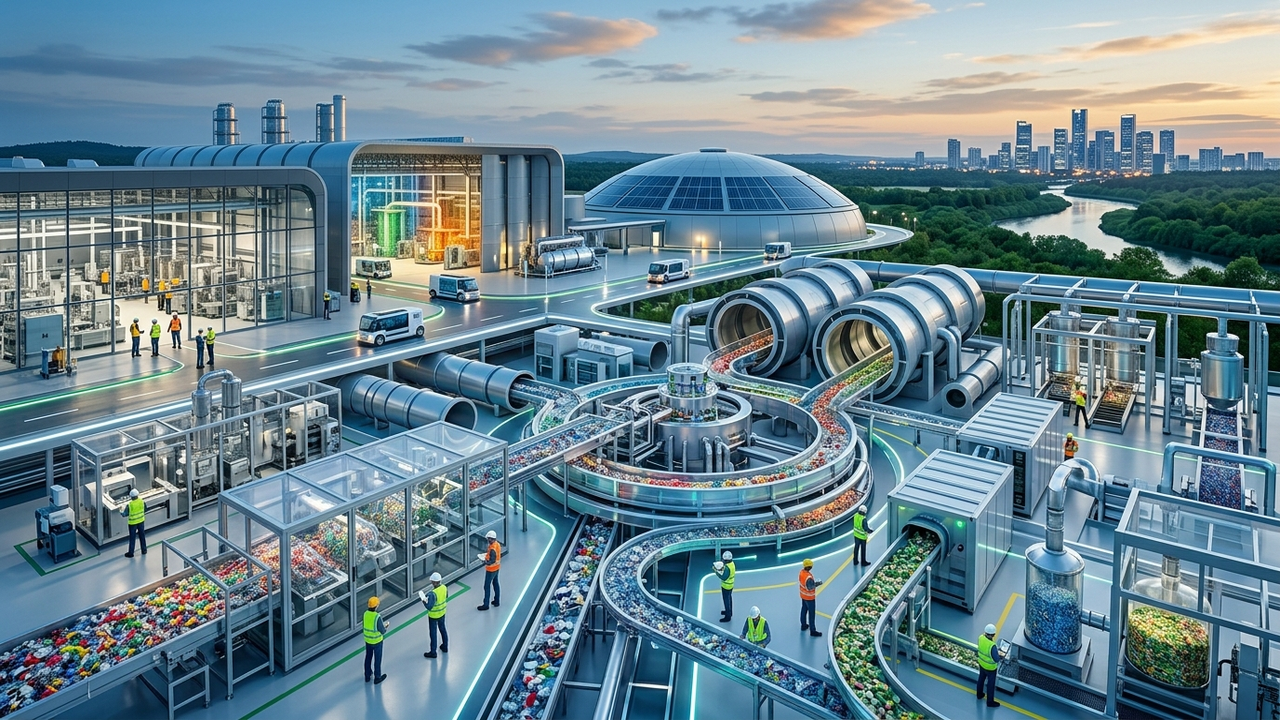
Covestro, a leading polymer materials manufacturer, has unveiled a clear vision to completely break away from the traditional fossil-resource-dependent linear economic model and accelerate its transition to a sustainable circular economy. This strategic shift aims to minimize environmental impact and maximize resource efficiency throughout the entire product lifecycle. Expanding the use of alternative raw materials and implementing innovative recycling technologies are positioned as the primary pillars for achieving this ambitious goal.
Technical / Clinical Details
Covestro’s circular economy strategy is founded on three main pillars. Firstly, it involves the active and expanded use of diverse alternative raw materials, including biomass, recycled materials (via both mechanical and chemical recycling), and even carbon dioxide (CO2) as a new carbon source. Secondly, the company is committed to advancing the development and commercialization of sophisticated chemical recycling technologies, with the aim of recovering high-quality raw materials from plastic waste that has historically been difficult to recycle. Thirdly, Covestro will focus on designing products for recyclability, meaning developing materials and products that are easy to disassemble, recover, and reuse, thereby facilitating future resource circulation. These technical approaches collectively aim for a substantial reduction in CO2 emissions and the elimination of resource waste.
Background & Context
The global plastics industry faces severe environmental challenges, including rising plastic waste, ocean pollution, and contributions to climate change. In response, demands for sustainability from consumers, regulators, and investors are at an unprecedented high. The regulatory landscape is also rapidly evolving, with initiatives like the EU’s ‘European Green Deal’ and various national carbon neutrality targets compelling fundamental business transformations. A global player like Covestro clearly articulating its commitment to the circular economy has a significant impact across the industry, encouraging other companies to pursue similar initiatives.
Strategic Significance & Outlook
Covestro’s declared full transition to a circular economy is not merely an environmental measure but a strategic investment for long-term corporate value enhancement and competitive strengthening. Shifting to alternative resources and advancing recycling technologies will improve raw material supply stability and mitigate fluctuating market risks. In the future, through the expansion of its ‘Circular Intelligence (CQ)’ product portfolio, Covestro will support its customers in achieving their sustainability goals, thereby creating new market opportunities. This comprehensive approach contributes to solving global challenges such as climate change mitigation, resource conservation, and environmental protection, marking a crucial step towards realizing a sustainable society.
Source: https://www.covestro.com/en/sustainability/our-focus-topics/circular-economy
Get our weekly technology intelligence — free
Receive an infographic that lets you judge at a glance whether each field’s analysis report is worth reading.
Subscribe Free — Weekly Tech Intelligence
By subscribing, you’ll receive Troy-Technical’s weekly technology intelligence newsletter.
- Your email and selected fields are used only to deliver the newsletter.
- We never share your information with third parties.
- You can unsubscribe anytime via the link in each email.
See our Privacy Policy for details.
Takes about a minute · Unsubscribe anytime








Comments