Background
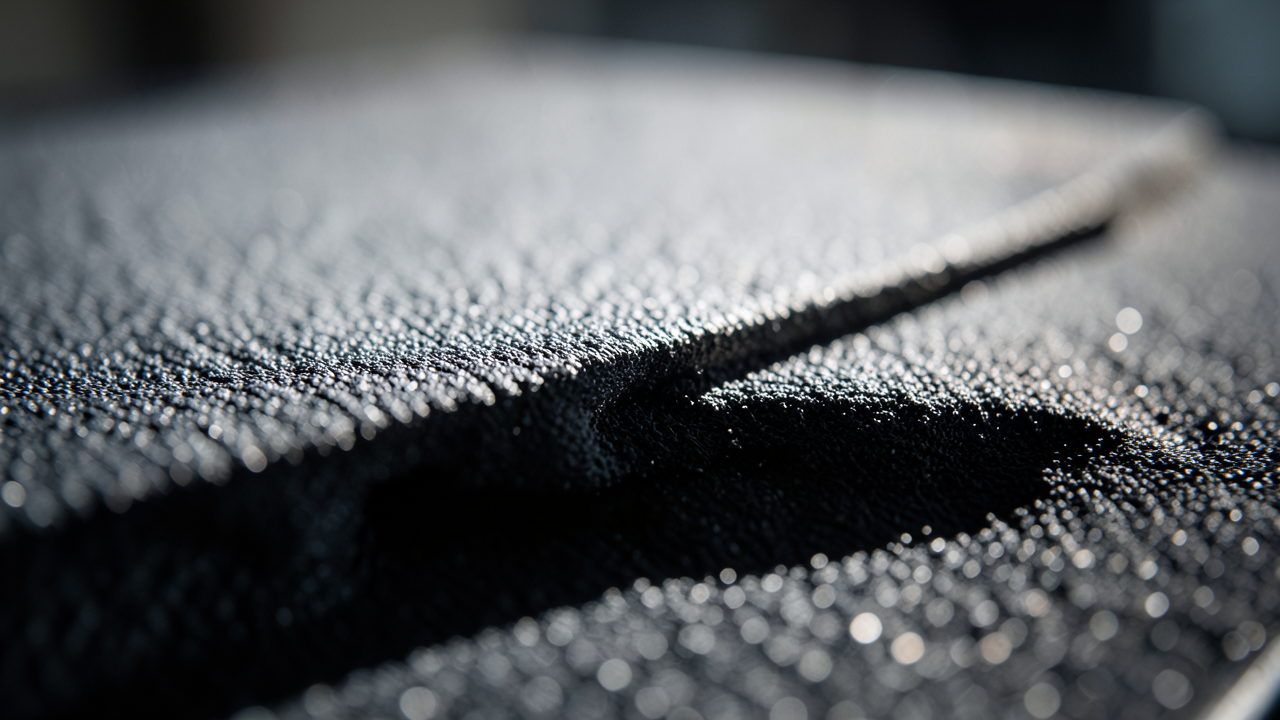
Carbon Fiber Reinforced Plastics (CFRPs), often lauded as ‘dream materials’ for their exceptional strength-to-weight ratio, have become indispensable across aerospace, automotive, and renewable energy sectors. Despite their widespread adoption and advanced functionality, developing efficient and environmentally friendly recycling technologies for end-of-life CFRPs has remained a persistent global challenge. Traditional methods, such as high-temperature pyrolysis, frequently degrade the integrity of the valuable carbon fibers, while chemical approaches often rely on hazardous solvents with complex waste treatment requirements. With tens of thousands of tons of CFRP waste generated annually, addressing this recycling bottleneck is critical for achieving a decarbonized society and ensuring sustainable resource utilization, driving an urgent demand for innovative solutions.
Key Findings
Researchers at Nagoya Institute of Technology have achieved a significant breakthrough in carbon fiber reinforced plastic (CFRP) recycling, introducing an innovative technology powered by a novel solid catalyst. This method efficiently and selectively targets the resin component of CFRP for oxidative decomposition and removal. Critically, it operates at relatively low temperatures and requires short processing times, enabling the recovery of high-performance carbon fibers that retain virtually all of their original mechanical properties. A key environmental advantage of this process is its solvent-free operation, leading to a remarkably low environmental footprint.
Technical Details
The cornerstone of this advanced CFRP recycling technology is a proprietary ‘novel solid catalyst,’ specifically engineered from metal oxide nanoparticles. This innovative catalyst addresses the shortcomings of conventional high-temperature pyrolysis and chemical solvent degradation methods by offering several distinct advantages:
- Low-Temperature, Short-Duration Processing: Unlike conventional pyrolysis, which typically demands temperatures exceeding 500°C, this catalytic method achieves complete resin decomposition at moderate temperatures (approximately 200–300°C) within durations ranging from mere tens of minutes to a few hours. This represents a substantial reduction in energy consumption compared to existing recycling techniques.
- High-Quality Carbon Fiber Recovery: The selective oxidative decomposition mechanism ensures that the recovered carbon fibers maintain nearly all of their original mechanical properties, such as tensile strength and modulus. This preservation of quality means the reclaimed carbon fibers are suitable for direct reintegration as primary raw materials into new high-performance CFRP products, thereby achieving true resource circularity.
- Solvent-Free and Minimal Environmental Impact: By eliminating the reliance on organic solvents, strong acids, or strong alkalis, the process circumvents the environmental burdens associated with hazardous waste generation and complex wastewater treatment. Furthermore, the catalyst itself is designed for reusability, significantly enhancing the overall sustainability profile of the technology.
- Broad Resin Compatibility: The technology has demonstrated effectiveness in decomposing common thermoset CFRP resins, including widely used epoxy resins and unsaturated polyester resins.
This breakthrough enables the recovered carbon fibers to be re-employed in critical high-performance CFRP applications across aerospace, automotive, wind energy, and sports equipment sectors, contributing to significant raw material cost reductions and fostering a more sustainable supply chain.
Strategic Significance & Outlook
The development of this solid catalyst-based CFRP recycling technology by Nagoya Institute of Technology is poised to become a pivotal enabler for establishing a truly sustainable CFRP industry. Future initiatives will concentrate on scaling up the technology, including validation at pilot plant scales, and exploring novel applications for the recovered carbon fibers. The overarching goal is to achieve practical industrial implementation within the next few years, fostered through strategic collaborations with leading automotive and aerospace manufacturers, as well as specialized CFRP molding companies. This technology not only promises to dramatically reduce the environmental footprint across the entire CFRP lifecycle, making a substantial contribution to a carbon-neutral society, but also strategically positions Japan as a global leader in advanced CFRP recycling solutions.
Source: https://www.nitech.ac.jp/mt_files/260507press_shirai.pdf
Get our weekly technology intelligence — free
Receive an infographic that lets you judge at a glance whether each field’s analysis report is worth reading.
Subscribe Free — Weekly Tech Intelligence
By subscribing, you’ll receive Troy-Technical’s weekly technology intelligence newsletter.
- Your email and selected fields are used only to deliver the newsletter.
- We never share your information with third parties.
- You can unsubscribe anytime via the link in each email.
See our Privacy Policy for details.
Takes about a minute · Unsubscribe anytime





Comments