Key Findings
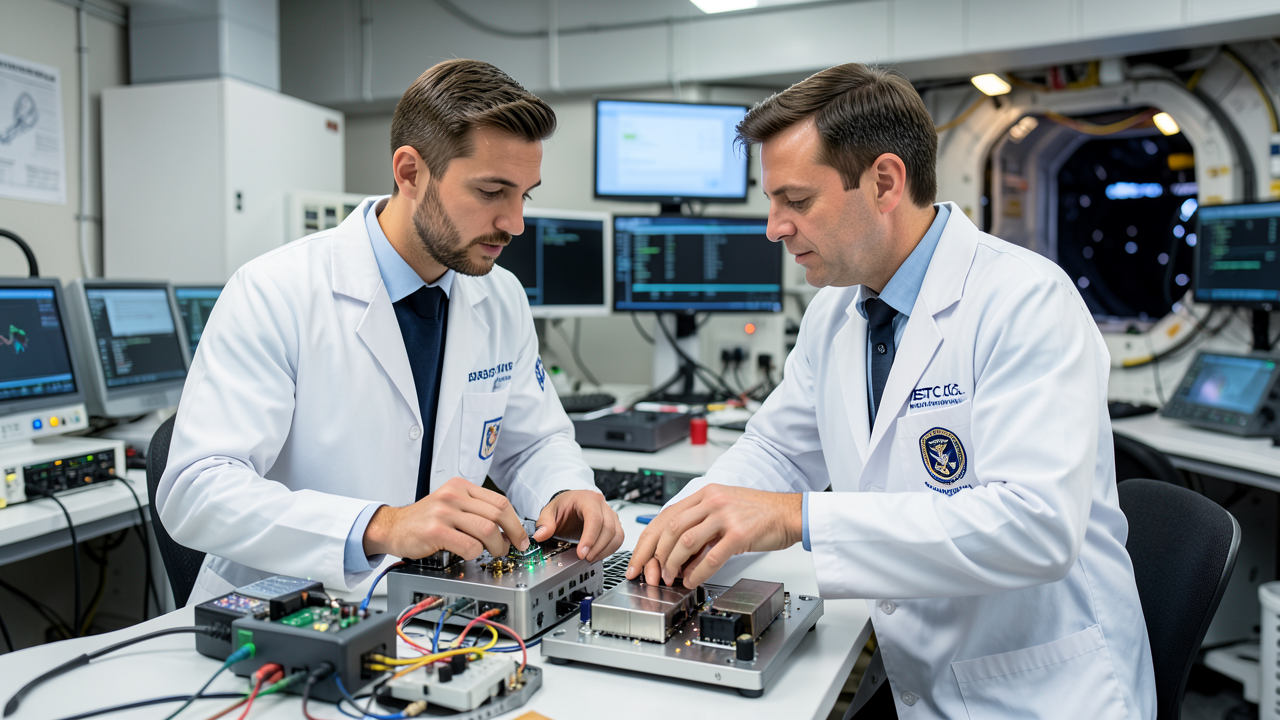
Researchers from the Tyndall National Institute presented three pivotal papers at the European Semiconductor Technology Conference (ESTC) 2026, revealing groundbreaking advancements in photonic packaging, co-packaged optics (CPO), and chiplet integration technologies. Notable specific outcomes included a co-packaged bioimaging system utilizing a glass interposer and a novel cryogenic edge coupling packaging method for photonic chips, specifically designed for extreme low-temperature environments, collectively paving the way for diverse future applications.
Technical / Clinical Details
One of the presented studies detailed a co-packaged bioimaging system employing a glass interposer. Glass interposers offer advantages such as low dielectric constant, high transparency, and precise via formation, making them ideal for the dense integration of multiple optical and electronic chips. This enables the creation of miniaturized, high-performance bioimaging devices. Another research paper proposed a cryogenic edge coupling packaging method for photonic chips operating in extreme low-temperature environments, which are essential for applications like quantum computing. This technique focuses on efficiently and stably connecting optical fibers to chip-based optical circuits, specifically mitigating connection failures caused by differential thermal expansion at cryogenic temperatures. These innovations significantly enhance the integration density, performance, and reliability of photonic systems.
Background & Context
In modern electronic and optoelectronic devices, advanced packaging and integration technologies are indispensable for achieving both high performance and miniaturization. Particularly in emerging technological fields such as AI, IoT, autonomous driving, and quantum computing, chiplet technology for efficiently integrating multiple chips with different functions, and co-packaged optics for integrating optical and electrical components, are gaining significant attention. The Tyndall National Institute stands at the forefront of research in these areas, and its contributions bolster the competitiveness of the microelectronics and photonics industries in Ireland and Europe.
Strategic Significance & Outlook
These innovative packaging technologies unveiled by Tyndall researchers are expected to accelerate the realization of a wide range of applications, including next-generation diagnostic and therapeutic devices in healthcare, high-performance environmental sensing systems, and quantum computing platforms vital for enhancing qubit stability. Specifically, cryogenic-compatible packaging technology is anticipated to contribute significantly to the commercialization of quantum computers operating in low-temperature environments, such as those utilizing superconducting qubits. These achievements demonstrate the manufacturability of integrated photonic systems, laying a robust foundation for future technological breakthroughs.
Get our weekly technology intelligence — free
Receive an infographic that lets you judge at a glance whether each field’s analysis report is worth reading.
Subscribe Free — Weekly Tech Intelligence
By subscribing, you’ll receive Troy-Technical’s weekly technology intelligence newsletter.
- Your email and selected fields are used only to deliver the newsletter.
- We never share your information with third parties.
- You can unsubscribe anytime via the link in each email.
See our Privacy Policy for details.
Takes about a minute · Unsubscribe anytime





Comments