Key Findings
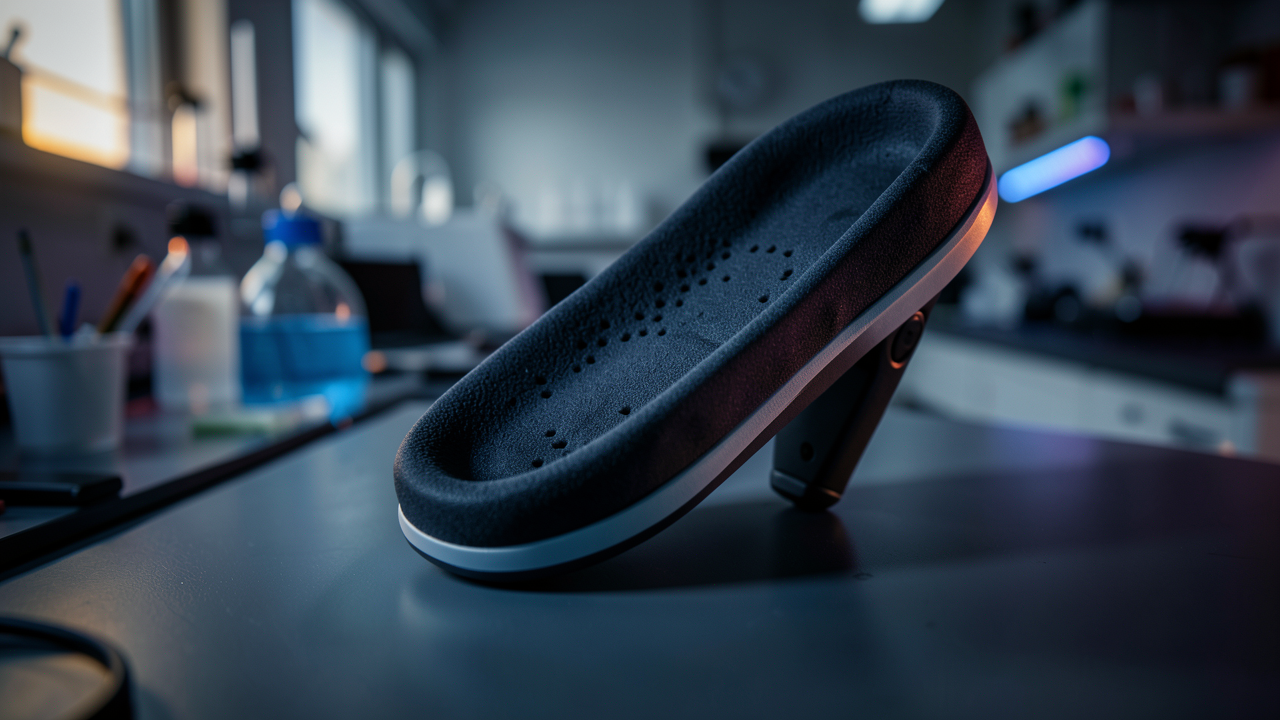
Scientists have developed a novel, enhanced enzyme capable of efficiently breaking down polyurethane foam found in shoe soles, a material notoriously difficult to recycle. This research signifies a critical advancement towards sustainable recovery and reuse of polyurethane, a prevalent thermoset plastic. Initial experimental results demonstrated the enzyme’s ability to degrade 1.4% of the foam by mass into reusable chemical components over a period of three days. This represents a significant stride toward circularity for polyurethane waste, a long-standing challenge in plastic recycling.
Technical / Clinical Details
The enzyme, originally isolated from composting bacteria, has been engineered to specifically target and cleave the molecular bonds within polyurethane plastics. The research team successfully optimized the enzyme’s active site through genetic engineering, boosting its degradation capability by up to 20-fold. This improved enzyme is sufficiently potent to break down complex polyurethane materials, such as untreated shoe foam. The enzymatic degradation yields monomeric precursors like polyols, which can be re-utilized in the production of new polyurethane. This biorefining process operates under milder conditions (lower temperatures and atmospheric pressure) compared to conventional mechanical or thermochemical recycling, leading to reduced energy consumption and minimal byproduct formation.
Background & Context
Polyurethane is a versatile polymer used in a vast array of products, including mattresses, cushions, automotive parts, insulation, and shoe soles, with global production reaching approximately 22 million tons annually. However, as a thermoset plastic, polyurethane does not melt when heated once cured, making it extremely difficult to reprocess. Consequently, the vast majority of end-of-life polyurethane products are either landfilled or incinerated, contributing significantly to environmental burden. The lack of effective recycling strategies has created a dual challenge of resource wastage and environmental pollution. This enzymatic development offers a promising biotechnological solution to this persistent problem.
Strategic Significance & Outlook
This enzyme technology holds immense potential for enabling industrial-scale polyurethane waste recycling. While the current 1.4% degradation rate is an initial finding, further optimization of enzyme activity and process conditions is expected to substantially increase efficiency and speed. Commercialization of this technology could transform the vast quantities of annual polyurethane waste into high-value raw materials, reducing the demand for virgin polymers and significantly contributing to sustainable resource circulation. Beyond shoe soles, this technology is anticipated to be applicable to other high-volume polyurethane products like mattresses and car seats, serving as a vital tool in mitigating plastic pollution and advancing the circular economy.
Source: https://www.earth.com/environment/old-shoe-soles-may-have-a-new-path-to-recycling/
Get our weekly technology intelligence — free
Receive an infographic that lets you judge at a glance whether each field’s analysis report is worth reading.
Subscribe Free — Weekly Tech Intelligence
By subscribing, you’ll receive Troy-Technical’s weekly technology intelligence newsletter.
- Your email and selected fields are used only to deliver the newsletter.
- We never share your information with third parties.
- You can unsubscribe anytime via the link in each email.
See our Privacy Policy for details.
Takes about a minute · Unsubscribe anytime





Comments