Key Findings
A report by Alliance Chemical emphasizes that engineered talc grades are emerging as crucial materials in high-tech manufacturing, particularly for electric vehicle (EV) battery thermal management and power electronics. Its unique lamellar structure plays a key role in enhancing device reliability under thermal stress.
Technical / Clinical Details
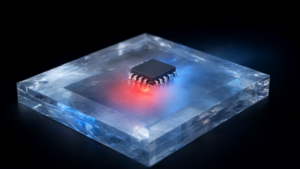
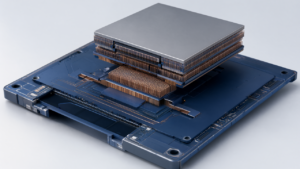
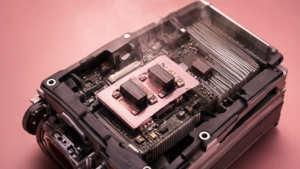
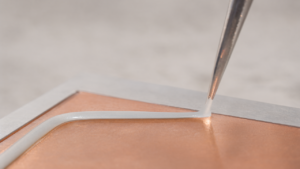
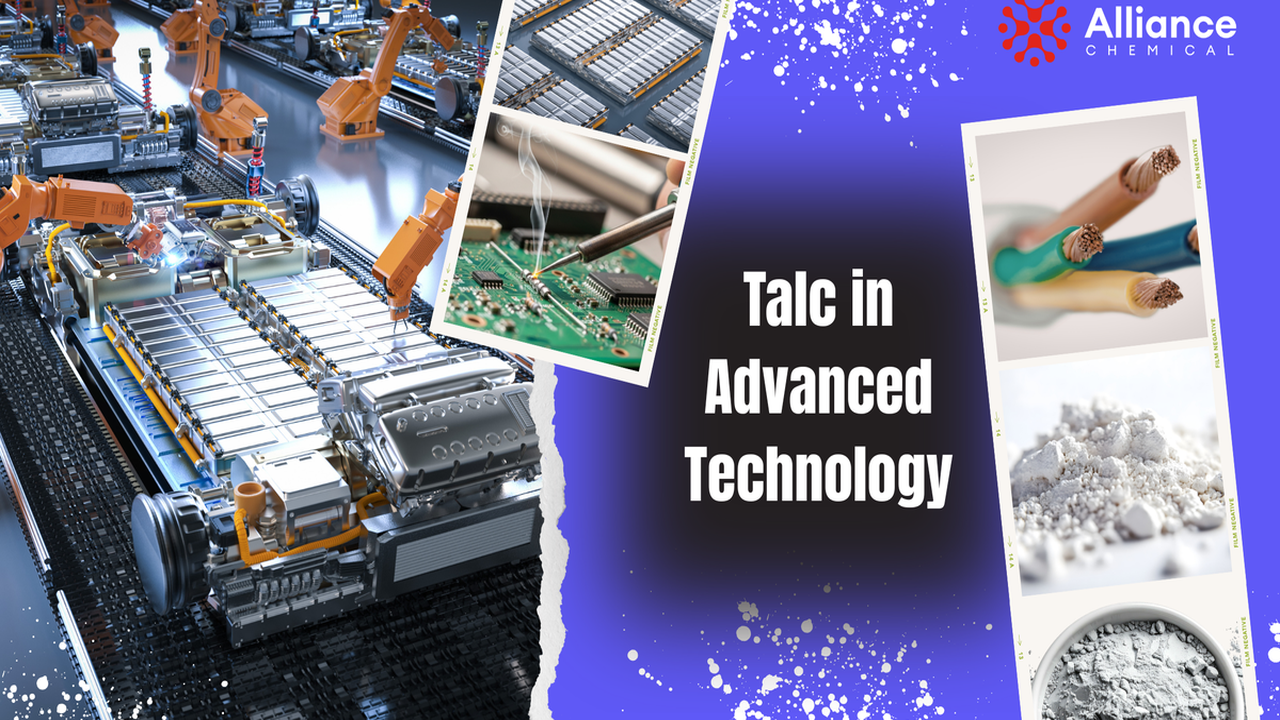
Talc, with its distinctive lamellar crystal structure (thin platelet morphology), significantly improves the performance of various advanced materials. In epoxy molding compounds (EMCs) used for automotive-grade power devices (e.g., SiC power modules), talc effectively reduces the coefficient of thermal expansion (CTE) mismatch. This mitigates stress concentration during high-temperature semiconductor assembly processes and prolonged thermal cycling, substantially reducing the risk of failures such as package warpage, delamination, and resin cracking. In EV battery modules, talc-filled silicone or polyurethane gap pads serve as thermal interface materials (TIMs), achieving thermal conductivities of 1.5–3.0 W/m·K while maintaining compliance for cell swelling. This offers a cost-effective alternative compared to more expensive boron nitride-filled TIMs. Furthermore, talc is utilized in intumescent fire barrier compounds that provide thermal protection during thermal runaway events and as a structural component in battery enclosure compounds, imparting high flame retardancy and mechanical strength.
Background & Context
Modern electronics and EVs are characterized by increasing density, power output, and miniaturization, which exacerbate challenges related to thermal management and reliability. In power electronics, operating at high temperatures and undergoing repeated thermal cycles significantly impacts device lifespan. For EV batteries, preventing thermal runaway and ensuring safety are paramount. While conventional materials have struggled to meet all these demands, versatile minerals like talc are gaining attention for offering excellent solutions in terms of both cost-efficiency and performance. In regions like China, efforts to localize semiconductor material production are intensifying, driving demand for high-performance EMCs and TIMs.
Strategic Significance & Outlook
The advanced technological applications of talc hold the potential to drive further innovation in fields requiring high thermal management and reliability, such as EVs, power electronics, and AI infrastructure. Its balance of cost-effectiveness and performance will promote its adoption, especially in large-scale manufacturing. Future advancements are expected in talc surface modification techniques and its optimization as a composite material, leading to the development of even higher thermal conductivity and higher-performance TIMs and EMCs. Companies like Alliance Chemical will continue to support the development of these cutting-edge industries through the supply of talc and the development of application technologies.
Source: https://alliancechemical.com/blogs/articles/talc-advanced-technology-ev-batteries-power-electronics