

Key Findings
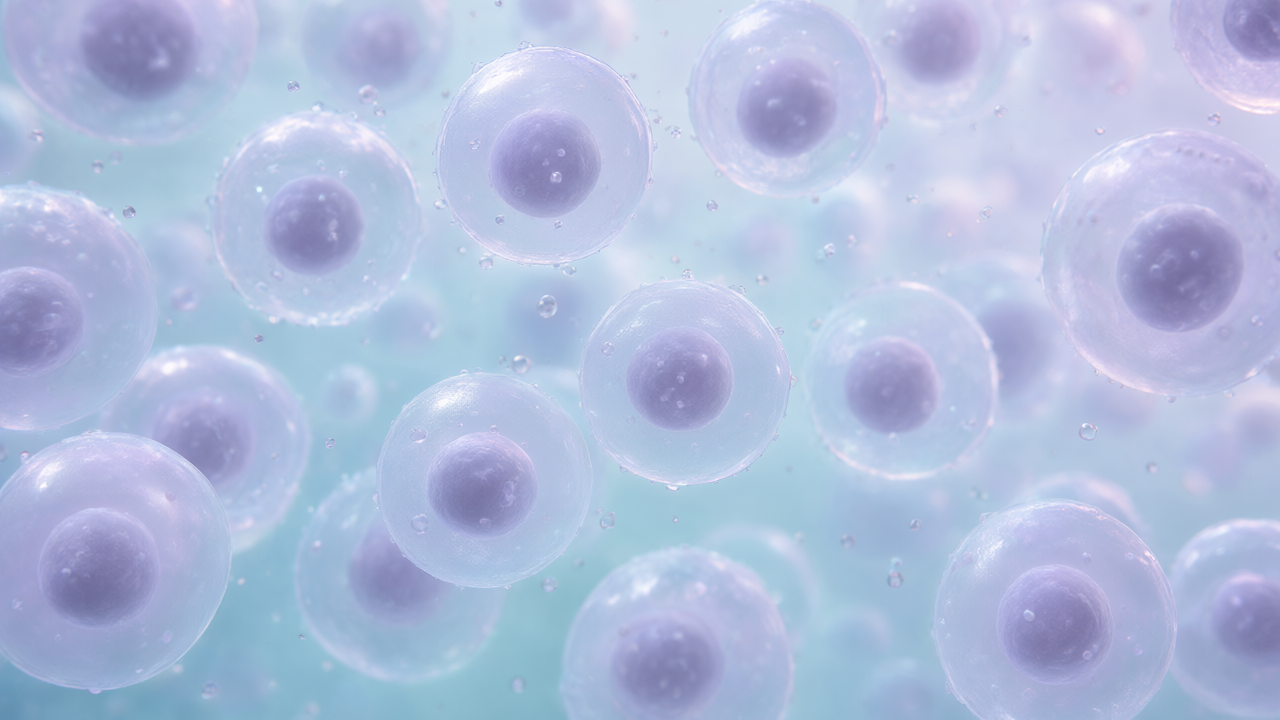
Recent experimental results indicate surprisingly minimal changes in human cells after a 24-hour exposure to simulated microgravity, strongly suggesting that gravity itself could potentially be leveraged as a therapeutic modality on Earth. This unexpected finding challenges conventional scientific understanding, which has often posited significant impacts of microgravity on cellular functions. Researchers are now embarking on studies to identify optimal ‘gravity dosages’—by precisely controlling the intensity, duration, and frequency of gravitational exposure—that could aid in maintaining long-term astronaut health and support the rehabilitation of patients with various conditions on Earth.
Technical / Clinical Details
- Simulated Microgravity: Instead of actual spaceflight, these experiments utilized specialized ground-based devices, such as clinostats or rotating wall bioreactors, to simulate microgravity conditions. This allowed for the cultivation of cells under minimized gravitational influence, enabling the observation of their physiological responses.
- Minimal Cellular Response: Despite 24 hours of microgravity exposure, the human cells under investigation showed almost no significant changes in gene expression patterns, cell proliferation, or morphological alterations. This suggests that cells may possess a degree of adaptability or resilience to microgravity environments over short periods.
- Concept of ‘Gravity Dosage’: Based on this discovery, researchers are proposing a novel concept that treats gravity not merely as an environmental factor but as a ‘drug’ or ‘therapeutic modality’ influencing biological functions. The specific research goal is to maximize preventive and therapeutic effects by ‘administering’ optimal artificial gravity for conditions unique to astronauts, such as bone density loss or muscle atrophy.
- Terrestrial Applications: For patients on Earth, possibilities are being explored to enhance therapeutic outcomes in rehabilitation for conditions like muscle deconditioning from bed rest, osteoporosis, or balance disorders, by applying specific levels or variations of gravity.
Background & Context
Prolonged spaceflight is known to cause severe health issues for astronauts, including bone density loss, muscle atrophy, cardiovascular changes, and immune system dysfunction. While countermeasures like exercise regimens and nutritional supplements have been explored, a fundamental solution remains elusive. The findings of this research suggest that gravity, a fundamental physical force, could become a new tool for modulating these physiological changes, potentially transforming the paradigm of space medicine. Furthermore, it reinforces the recognition of space as not merely a harsh environment but a unique experimental laboratory for life science research.
Strategic Significance & Outlook
This research opens new avenues in the field of gravito-biology and holds the potential for wide-ranging impacts on both space medicine and terrestrial healthcare. In the future, ‘gravity therapy,’ involving personalized gravity profiles applied to individuals, might be established for disease prevention, treatment, and rehabilitation. For astronaut health management, this will directly inform the design and operation of artificial gravity systems within spacecraft, enabling safer long-duration space missions. This innovative approach promises to deepen our understanding of gravity’s influence on life and elevates expectations for its medical applications.
Get our weekly technology intelligence — free
Receive an infographic that lets you judge at a glance whether each field’s analysis report is worth reading.
Subscribe Free — Weekly Tech Intelligence
By subscribing, you’ll receive Troy-Technical’s weekly technology intelligence newsletter.
- Your email and selected fields are used only to deliver the newsletter.
- We never share your information with third parties.
- You can unsubscribe anytime via the link in each email.
See our Privacy Policy for details.
Takes about a minute · Unsubscribe anytime