

Key Findings
The developed fluorine-free binder enables the full recovery of spent positive and negative electrodes without generating fluoride residue. Lifecycle analysis indicates that this binder strategy reduces energy costs and emissions compared to fluoride-based batteries. Specifically, recycling batteries using these solvents results in 10% less energy consumption, 3% less water usage, and a 7.2% reduction in greenhouse gas emissions.
Technical Details
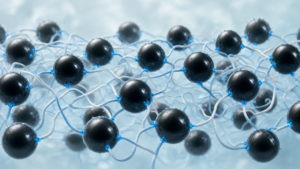
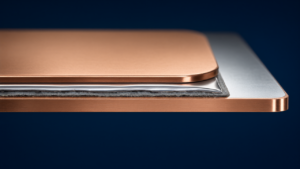
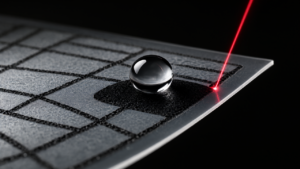
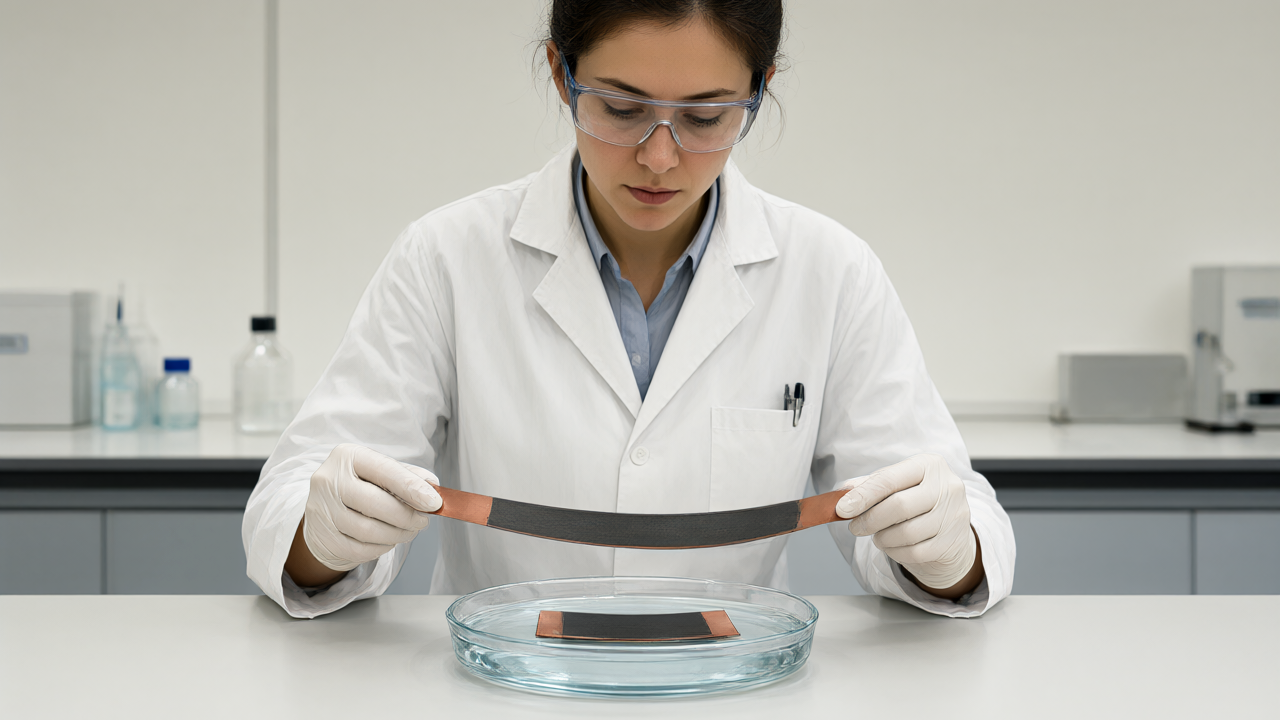
The binder is composed of polyacrylic acid and carboxymethyl cellulose dissolved in water and linked with citric acid. This combination provides the flexibility, strength, and adhesion required for battery electrodes. The binder is compatible with various electrode types, including silicon, nickel-rich, and lithium iron phosphate. Furthermore, the researchers noted that this binder provides better cycle stability than batteries manufactured with fluorine. For recycling, disassembled electrodes are submerged in water, which separates the coatings from metal foil sheets without leaving residue, allowing for direct recycling into new batteries.
Background & Context
Traditional battery manufacturing relies on fluorine-containing binders due to their thermal stability and ability to create uniform electrodes. However, these binders require N-methyl-pyrrolidone (NMP), a toxic solvent linked to reproductive and developmental health issues. The process of evaporating and recovering NMP in drying ovens increases energy use and manufacturing costs. Additionally, fluorine complicates recycling, as removing the residue requires high heat or harsh chemicals, creating hazardous waste.
Significance & Outlook
From a financial perspective, the new binder eliminates the need for expensive fluorine binders (which can cost several hundred dollars per 100 grams) and NMP solvents ($300 per liter). Estimated profits for manufacturers could increase by 7.1%. While the researchers intend to scale production for commercial manufacturing and optimize the chemistry with industry partners, they acknowledge that manufacturers face technical, financial, and regulatory hurdles, including the need for new equipment and extensive performance verification.
Source: https://resource-recycling.com/e-scrap/2026/10/16/researchers-work-on-fluorine-free-battery-binder/
Get our weekly technology intelligence — free
Receive an infographic that lets you judge at a glance whether each field’s analysis report is worth reading.
Subscribe Free — Weekly Tech Intelligence
By subscribing, you’ll receive Troy-Technical’s weekly technology intelligence newsletter.
- Your email and selected fields are used only to deliver the newsletter.
- We never share your information with third parties.
- You can unsubscribe anytime via the link in each email.
See our Privacy Policy for details.
Takes about a minute · Unsubscribe anytime