
Key Findings
Hiringa Energy is developing a portfolio of renewable ammonia and hydrogen projects to support fertilizers, refueling networks, and green fuels. The company emphasizes a development-own-operate model and strategic partnerships with offtakers and end users to establish low-carbon value chains. In New Zealand, Hiringa has operated a hydrogen refueling network since 2024, utilizing 4 MW of electrolysis capacity across four sites.
Technical Details
The Good Earth Green Hydrogen and Ammonia (GEGHA) project in Moree, NSW, reached financial close in 2025. It is designed for an annual production of 4,500 tons of renewable ammonia. Technical specifications include:
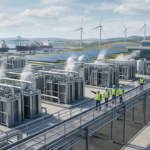
- Power: 36 MW solar PV (9 MW existing, 27 MW newbuild) and 51 MWh battery storage.
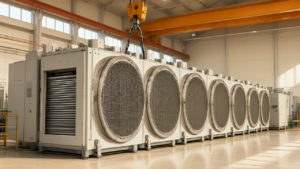
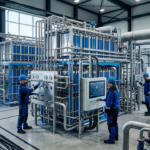
- Electrolysis: 15 MW alkaline capacity (3x 5 MW modules).
- Technology: Ammonia production modules provided by KAPSOM.
- CAPEX: Estimated at AUD$113-119 million, with AUD$45.2 million in funding from the NSW Government.
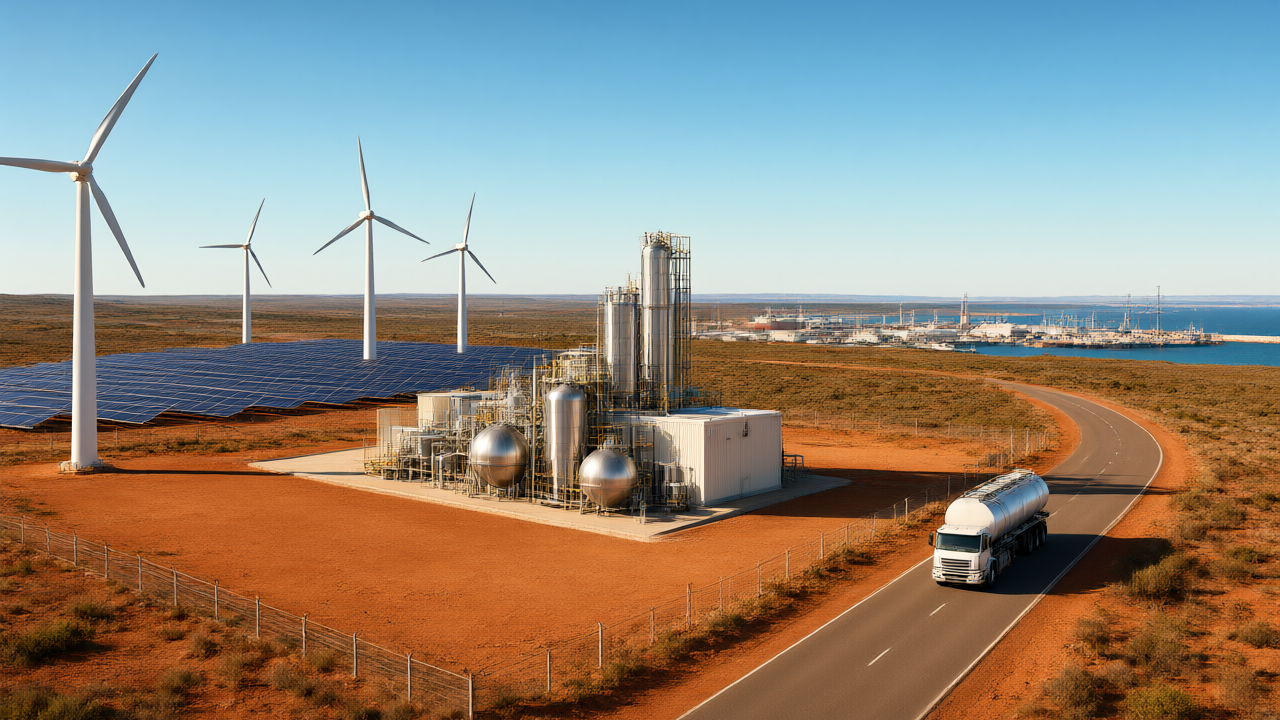
In New Zealand, the Kapuni Green Hydrogen Project reached financial close in early 2026. This project features four wind turbines with a 25.6 MW peak capacity and a 5 MW electrolyzer producing approximately 2,000 kilograms of hydrogen per day.
Background & Context
The GEGHA project is integrated with the Wathagar cotton ginning facility to support Sundown Pastoral Company’s “Good Earth Cotton” production. This integration aims to displace diesel—estimated at 1-2 million liters annually for cotton production—with hydrogen. Similarly, the Kapuni project supplies renewable hydrogen to the Ballance Agri-Nutrients plant for urea production and to Hiringa’s refueling network.
Significance & Outlook
Hiringa Energy aims to reduce Australia’s vulnerability to global fertilizer price shocks by establishing local production. Future scaling is evident in the Riverina Green Fertilizer Project, which plans 100 MW solar PV, 85 MWh battery storage, and 100-150 MW electrolysis capacity to produce 40,000 tons of ammonia and other nitrates. Operations for GEGHA and Kapuni are scheduled for Q1 2027 and Q2 2027, respectively.
Get our weekly technology intelligence — free
Receive an infographic that lets you judge at a glance whether each field’s analysis report is worth reading.
Subscribe Free — Weekly Tech Intelligence
By subscribing, you’ll receive Troy-Technical’s weekly technology intelligence newsletter.
- Your email and selected fields are used only to deliver the newsletter.
- We never share your information with third parties.
- You can unsubscribe anytime via the link in each email.
See our Privacy Policy for details.
Takes about a minute · Unsubscribe anytime