


Key Findings
Three turbines in a wind farm located approximately 22 miles off Heligoland are now operating with the first rotor blades designed for end-of-life recycling. While the wind farm consists of 38 turbines with a total installed capacity of 342 megawatts, only these three units utilize the recyclable resin system. The blades are approximately 266 feet long, developed in Denmark and manufactured in the United Kingdom.
Technical Details
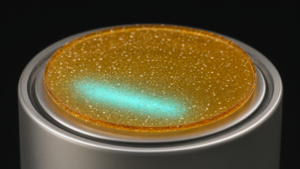
Conventional blades use thermoset epoxy, creating a permanent molecular tangle that resists decomposition. In contrast, these specific blades utilize a proprietary resin featuring amine curing agents with engineered cleavage points at cross-linking sites. Specifically, the chemistry employs acid-labile acetal bonds that remain robust during the turbine’s operational life but break selectively under mild acid conditions.
The decommissioning process involves:
- Dismantling and preparing the blade.
- Immersion in a heated, mild acid solution.
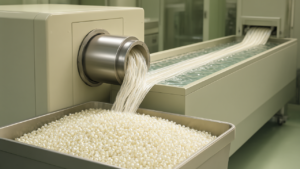
- Separation of the resin from fiberglass, plastic, wood, and metals.
- Rinsing and drying materials for secondary use in products such as flight cases and flat screen casings.
Background & Context
Blades represent the most stubborn component of wind turbine waste, as the towers and nacelles already have established recycling routes. While a separate industry-led chemical process exists to break down existing epoxy blades into raw materials, the Heligoland deployment represents a different approach where the recyclability is built into the resin chemistry from the start.
Significance & Outlook
The deployment serves as a real-world proof of concept rather than a full fleet rollout. Because wind farms are expected to run for at least 25 years, the long-term durability of this chemistry against salt spray and structural flexing remains to be proven. The manufacturer’s goal is to achieve fully recyclable turbines within two decades.
Source: https://www.ecoportal.net/en/three-turbines-spin-off-heligoland-blades/44101/
Get our weekly technology intelligence — free
Receive an infographic that lets you judge at a glance whether each field’s analysis report is worth reading.
Subscribe Free — Weekly Tech Intelligence
By subscribing, you’ll receive Troy-Technical’s weekly technology intelligence newsletter.
- Your email and selected fields are used only to deliver the newsletter.
- We never share your information with third parties.
- You can unsubscribe anytime via the link in each email.
See our Privacy Policy for details.
Takes about a minute · Unsubscribe anytime