
Key Findings
A research team led by Professor Eun Jong-hyun at Kumoh National Institute of Technology has developed a method to resolve the trade-off between strength and toughness in Carbon Fiber Reinforced Plastics (CFRP). The team achieved a maximum increase of 296% in interlaminar fracture toughness, alongside a 20% increase in flexural strength and a 29% increase in interlaminar shear strength compared to conventional CFRP.
Technical Details
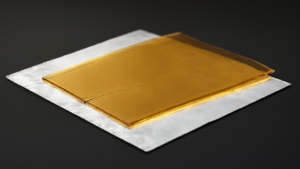
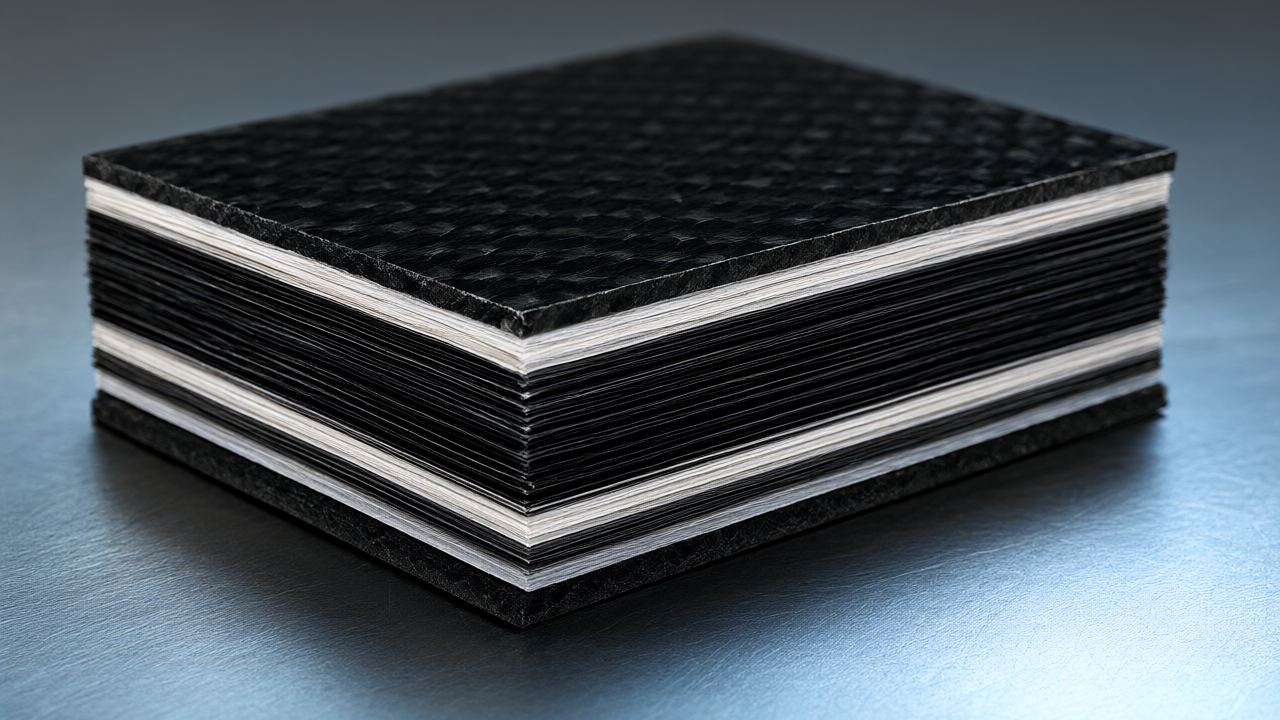
The process involves inserting a “low-melting-point polyamide (LMPA) nanofiber web” between CFRP layers to prevent interlaminar cracking. The technical implementation included the following steps:
- Material Preparation: Polyamide with a low melting point (133–152°C) was dissolved in eco-friendly ethanol rather than toxic solvents.
- Coating Process: Using an electrospinning method, a thin nanofiber web with a thickness of 6–29μm was coated onto the carbon fiber surface.
- Thermal Processing: The material was manufactured at a molding temperature of 180°C to optimize the integration of the layers.
Background and Context
CFRP is widely utilized in aircraft fuselages, automotive parts, and high-pressure hydrogen tanks due to its lightweight and rigid properties. However, the epoxy resin connecting the carbon fiber layers is susceptible to impact, often leading to “interlaminar delamination.” While previous attempts to mitigate this involved adding tough thermoplastic materials, these typically resulted in a decrease in overall strength as toughness increased.
Significance and Outlook
This research demonstrates that the long-standing challenge of balancing strength and toughness in composite materials can be overcome through the precise control of nanofiber application and molding temperatures. The findings were published online on November 3 in the international journal Composites Part B: Engineering (IF approx. 14). The technology is expected to be applied broadly in lightweight structural materials for aerospace and future mobility. This study was supported by the Gyeongsangbuk-do RISE project.
Source: https://www.mt.co.kr/policy/2026/11/18/2026111817440141754
Get our weekly technology intelligence — free
Receive an infographic that lets you judge at a glance whether each field’s analysis report is worth reading.
Subscribe Free — Weekly Tech Intelligence
By subscribing, you’ll receive Troy-Technical’s weekly technology intelligence newsletter.
- Your email and selected fields are used only to deliver the newsletter.
- We never share your information with third parties.
- You can unsubscribe anytime via the link in each email.
See our Privacy Policy for details.
Takes about a minute · Unsubscribe anytime