Key Findings
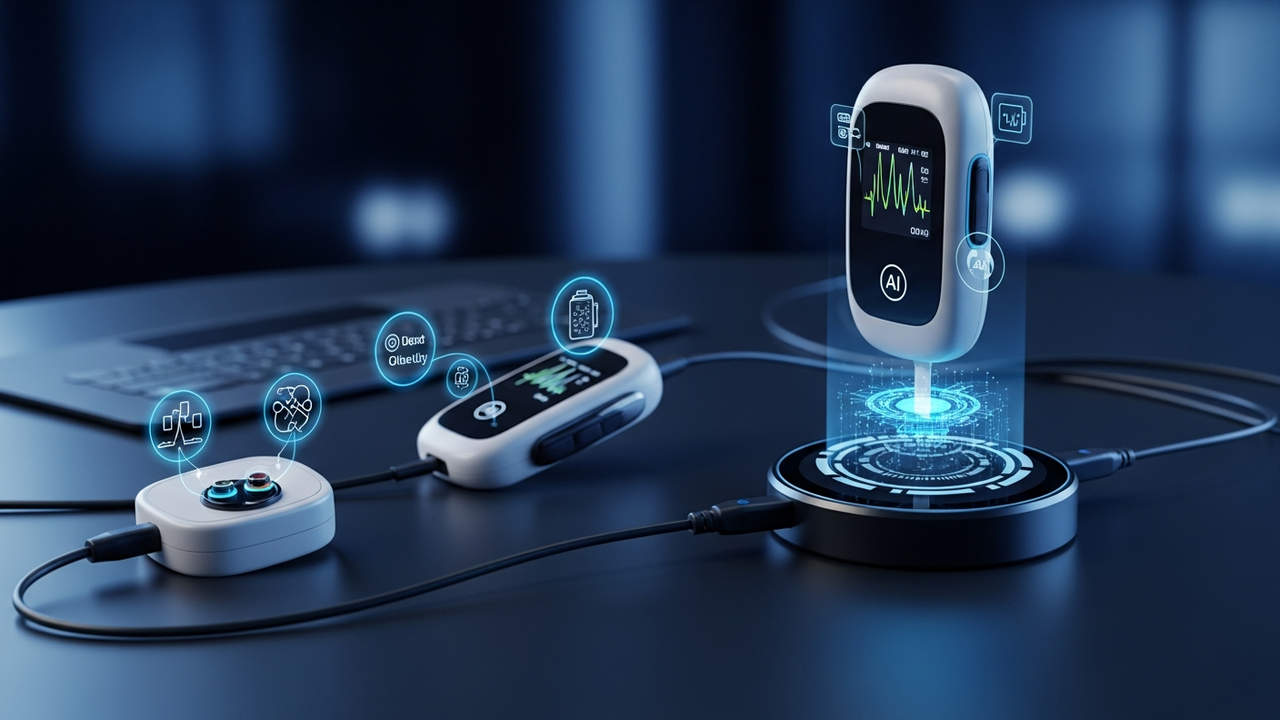
Just as Continuous Glucose Monitoring (CGM) revolutionized diabetes management, Continuous Lactate Monitoring (CLM) is now widely discussed in the healthcare industry as the next major breakthrough in metabolic monitoring. Lactate serves as a pivotal biomarker, offering invaluable insights into the body’s energy production and utilization during physical exertion, stress, illness, and recovery phases. Driven by rapid advancements in wearable sensor technology and Artificial Intelligence (AI), minimally invasive sensors capable of real-time lactate level measurement in subcutaneous interstitial fluid have been developed. This technology is emerging as a promising frontier for precision diabetes care and personalized metabolic medicine, poised to unlock deeper understanding of individual metabolic states and optimize health and performance.
Technical / Clinical Details
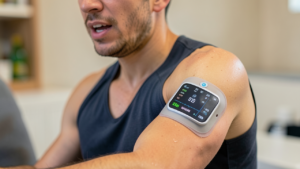
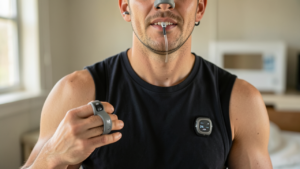
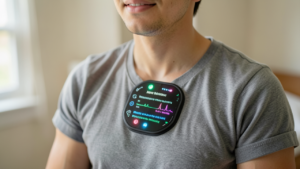
Current CLM sensors, similar to CGMs, consist of small, patch-like devices worn on the skin. These patches contain micro-needles or electrodes that penetrate the interstitial fluid, utilizing a lactate oxidase enzyme reaction to convert lactate concentrations into electrical signals. These signals are then transmitted wirelessly to a smartphone application, providing users with real-time visual confirmation of their lactate levels and trends. AI algorithms integrate the collected lactate data with other physiological parameters (e.g., heart rate, activity levels) to analyze the patient’s metabolic profile. This enables precise evaluation of the impact of specific exercise intensities or dietary intake on lactate metabolism, and facilitates the early detection of excessive fatigue or metabolic anomalies. Clinically, while lactate levels have been used for prognosis in septic shock patients and for managing training loads in athletes, CLM offers non-invasive, continuous monitoring, enabling more rapid and personalized interventions.
Background & Context
Monitoring metabolic function is gaining increasing importance not only for individuals with diabetes but also for athletes, fitness enthusiasts, and the general health-conscious population. Just as CGM provided real-time glucose data to enhance diabetes self-management, CLM introduces another critical metabolic indicator, adding a new layer of insight to health management. Conventional lactate measurement methods primarily require blood samples, which are invasive and intermittent, rendering them insufficient for capturing daily metabolic fluctuations. CLM technology overcomes these limitations by providing continuous metabolic information anytime, anywhere, thus potentially revolutionizing preventive medicine, personalized nutrition, and performance science. This technological advancement is expected to become a new killer application for wearable biosensors in the digital health market.
Strategic Significance & Outlook
The future of continuous lactate monitoring will be shaped by further integration with AI. AI can interpret complex patterns derived from lactate data to provide real-time, optimized exercise programs, recovery strategies, and dietary advice tailored to individual users. In the future, CLM sensors are likely to evolve into multi-functional platforms capable of simultaneously measuring several other biomarkers (e.g., ketone bodies, electrolytes, cortisol), offering a more comprehensive metabolic profile. This will enable athletes to avoid overtraining and sustain peak performance, while the general population can gain insights useful for fatigue management, stress reduction, and chronic disease risk mitigation. CLM has the potential to redefine human health and wellness as a central technology for next-generation personal healthcare.
Source: https://www.diabetesincontrol.com/continuous-lactate-monitoring-next-breakthrough/
Get our weekly technology intelligence — free
Receive an infographic that lets you judge at a glance whether each field’s analysis report is worth reading.
Subscribe Free — Weekly Tech Intelligence
By subscribing, you’ll receive Troy-Technical’s weekly technology intelligence newsletter.
- Your email and selected fields are used only to deliver the newsletter.
- We never share your information with third parties.
- You can unsubscribe anytime via the link in each email.
See our Privacy Policy for details.
Takes about a minute · Unsubscribe anytime



Comments