Key Findings
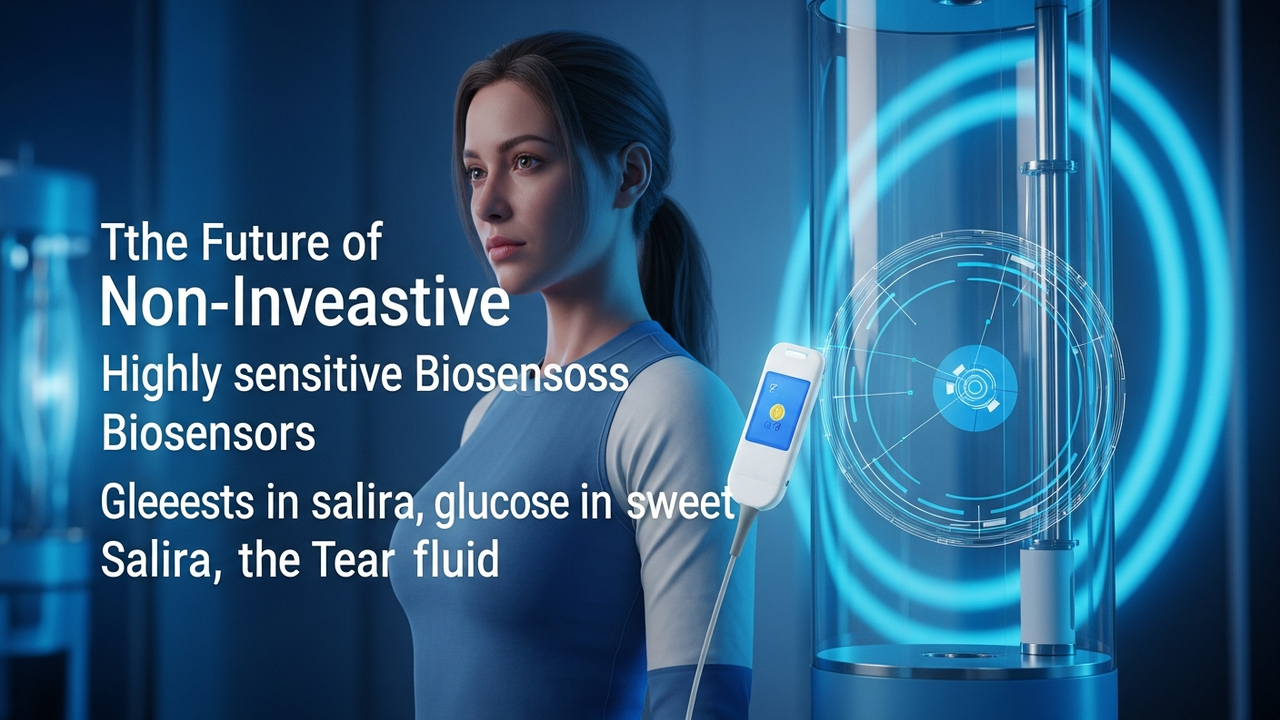
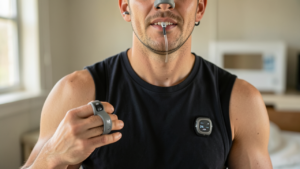
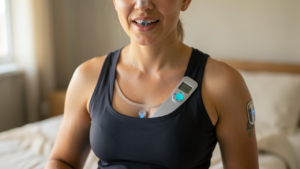
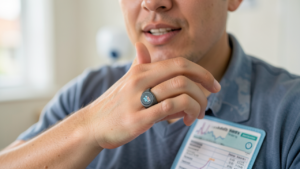
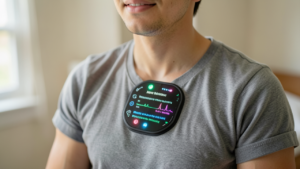
The future of non-invasive blood sugar monitoring, as highlighted in this article, hinges on the development of highly sensitive biosensors capable of detecting glucose in unconventional bodily fluids such as sweat, saliva, and tears. The concept of monitoring blood glucose levels via contact lenses, in particular, is garnering significant attention. While a challenge lies in the fact that glucose concentrations in these biofluids are lower than in blood, continuous advancements in sensor technology are dramatically increasing its feasibility. This approach holds the potential to eliminate the pain and inconvenience of daily finger-prick tests for diabetic patients, offering a more comfortable and continuous monitoring experience.
Technical/Clinical Details
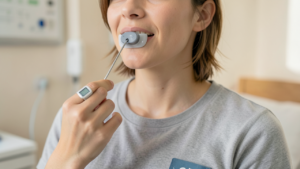
The core of non-invasive blood glucose biosensors lies in their ability to detect trace amounts of glucose with high selectivity. These sensors typically employ electrochemical or optical detection principles, where glucose interacts with specific enzymes (e.g., glucose oxidase) to produce a measurable electrical or optical signal. Glucose concentrations in sweat, saliva, and tears are typically 10 to 100 times lower than in blood, and they coexist with many other compounds, making high sensitivity and specificity critically important. Latest sensor technologies aim to overcome these challenges through the integration of nanomaterials (e.g., graphene, carbon nanotubes), utilization of microfluidic systems, and signal processing and correction via AI algorithms. For example, smart contact lenses are being explored to incorporate miniature sensors that contact tear fluid, measure glucose concentrations in real-time, and wirelessly transmit data to a smartphone.
Background and Industry Context
Diabetes is a chronic disease with increasing global prevalence, requiring strict blood glucose management to prevent complications. However, conventional self-monitoring of blood glucose (SMBG) involves finger-pricks, and the associated pain and inconvenience have contributed to lower patient compliance. While continuous glucose monitoring (CGM) has reduced invasiveness, the insertion of subcutaneous sensors still poses resistance for some patients. Against this backdrop, there is high anticipation for completely non-invasive blood glucose monitoring technologies, leading to active research and development. Tear fluid, sweat, and saliva are considered ideal sample sources due to their easy and non-invasive collection. This technology not only promises to dramatically improve patients’ quality of life but also holds potential for early detection, prevention, and effective disease management of diabetes.
Strategic Significance & Outlook
While non-invasive blood glucose monitoring technology still faces many challenges toward practical implementation, its potential impact is immeasurable. In the future, these high-sensitivity biosensors are expected to detect a wider range of biomarkers simultaneously, extending applications to various health conditions beyond diabetes (e.g., stress, dehydration, specific metabolic disorders). Further advancements in AI and machine learning algorithms will enable more accurate modeling of the correlation between trace glucose concentrations in biofluids and true blood glucose levels, improving predictive accuracy. As regulatory approval pathways are established and manufacturing costs decrease, these devices could become a standard in home healthcare, fundamentally transforming self-care for diabetic patients.
Get our weekly technology intelligence — free
Receive an infographic that lets you judge at a glance whether each field’s analysis report is worth reading.
Subscribe Free — Weekly Tech Intelligence
By subscribing, you’ll receive Troy-Technical’s weekly technology intelligence newsletter.
- Your email and selected fields are used only to deliver the newsletter.
- We never share your information with third parties.
- You can unsubscribe anytime via the link in each email.
See our Privacy Policy for details.
Takes about a minute · Unsubscribe anytime

Comments