Key Findings
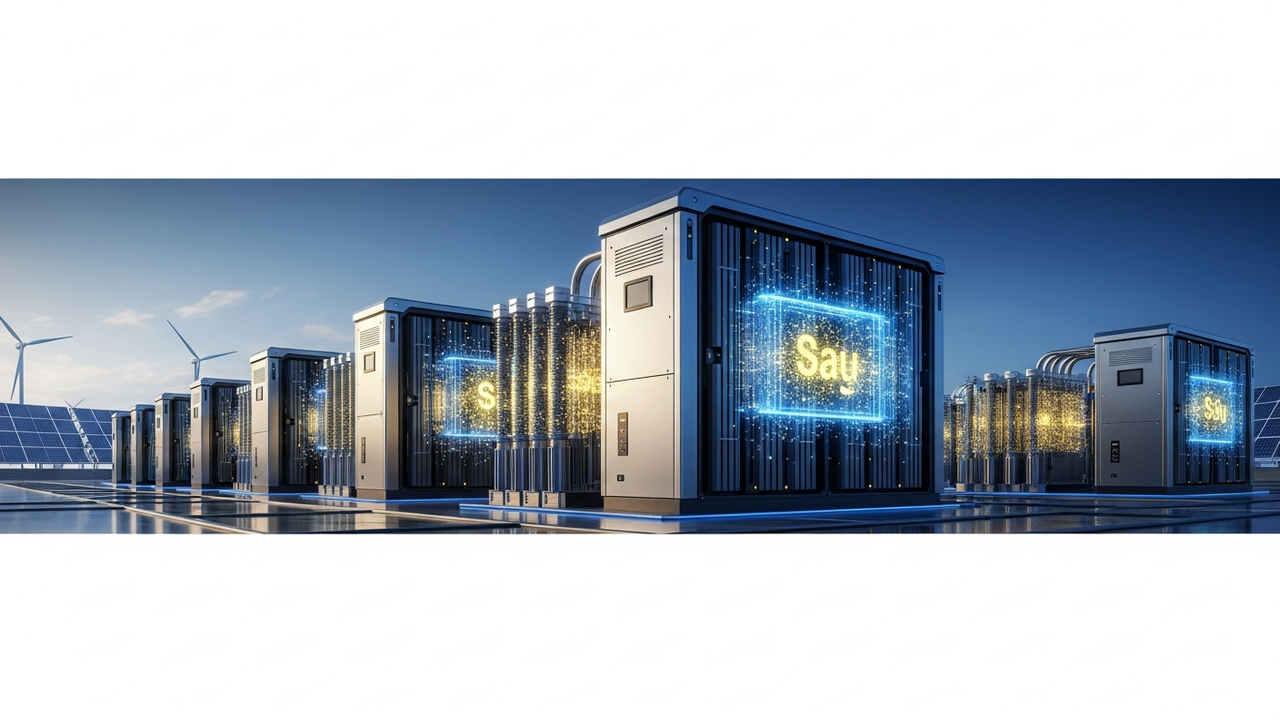
With a dramatic increase in electric vehicle (EV) sales and an escalating demand for energy storage in power grids, the global race to develop next-generation battery technologies that are cheaper, more powerful, and less dependent on hard-to-source materials is intensifying post-2026. Amidst this technological shift, sodium-ion battery technology is moving decisively from the laboratory into commercial markets, poised to play a crucial role in meeting the burgeoning needs of the grid storage sector.
Technical / Market Details
The battery market is currently dominated by lithium-ion technology, but its growth trajectory and scalability are increasingly constrained by supply limitations and price volatility of critical minerals like lithium, cobalt, and nickel. In contrast, sodium-ion batteries leverage sodium as their primary active material, an element that is abundant globally, making raw material procurement straightforward and significantly reducing costs. This offers a substantial advantage in mitigating supply chain risks and providing more economical large-scale energy storage solutions.The energy density of sodium-ion batteries is now comparable to early lithium-ion batteries and, in some cases, on par with lithium iron phosphate (LFP) cells. This enables them to meet performance requirements for EV range and stationary system operational durations. Furthermore, sodium-ion batteries generally present a lower risk of thermal runaway, making them advantageous for meeting safety requirements in large-scale grid storage and residential applications. Other emerging technologies include silicon anode advancements and, for some applications, solid-state batteries (though outside the scope of this particular report).
Background & Context
The global energy system is at a historic crossroads, transitioning from fossil fuel dependency to renewable energy sources. For this transition to succeed, massive energy storage solutions are essential to efficiently integrate intermittent renewables like solar and wind, ensuring a stable and reliable power supply. However, relying solely on existing lithium-ion technology is becoming challenging to meet both the increasing demand and the dual requirements of supply volume and cost-efficiency. Consequently, expectations for alternative technologies like sodium-ion batteries have never been higher. Governments worldwide are also implementing policies to support the development and deployment of diverse battery technologies to achieve energy security and decarbonization goals.
Strategic Significance & Outlook
Sodium-ion battery technology is highly likely to establish itself as a major player in the grid storage market over the next few years. Its cost-competitiveness and material abundance make it particularly attractive for emerging markets and utility-scale projects requiring significant infrastructure investment. In the EV market, it will likely complement lithium-ion batteries, especially for entry-level vehicles and second-life battery applications. The commercialization of this technology will drive diversification in the battery supply chain and serve as a critical engine for accelerating the pace of the global energy transition. From a long-term perspective, sodium-ion batteries are expected to be an indispensable component in building a more sustainable and resilient energy future.
Source: https://e360.yale.edu/features/energy-storage-sodium-solid-state
Get our weekly technology intelligence — free
Receive an infographic that lets you judge at a glance whether each field’s analysis report is worth reading.
Subscribe Free — Weekly Tech Intelligence
By subscribing, you’ll receive Troy-Technical’s weekly technology intelligence newsletter.
- Your email and selected fields are used only to deliver the newsletter.
- We never share your information with third parties.
- You can unsubscribe anytime via the link in each email.
See our Privacy Policy for details.
Takes about a minute · Unsubscribe anytime







Comments