Key Findings
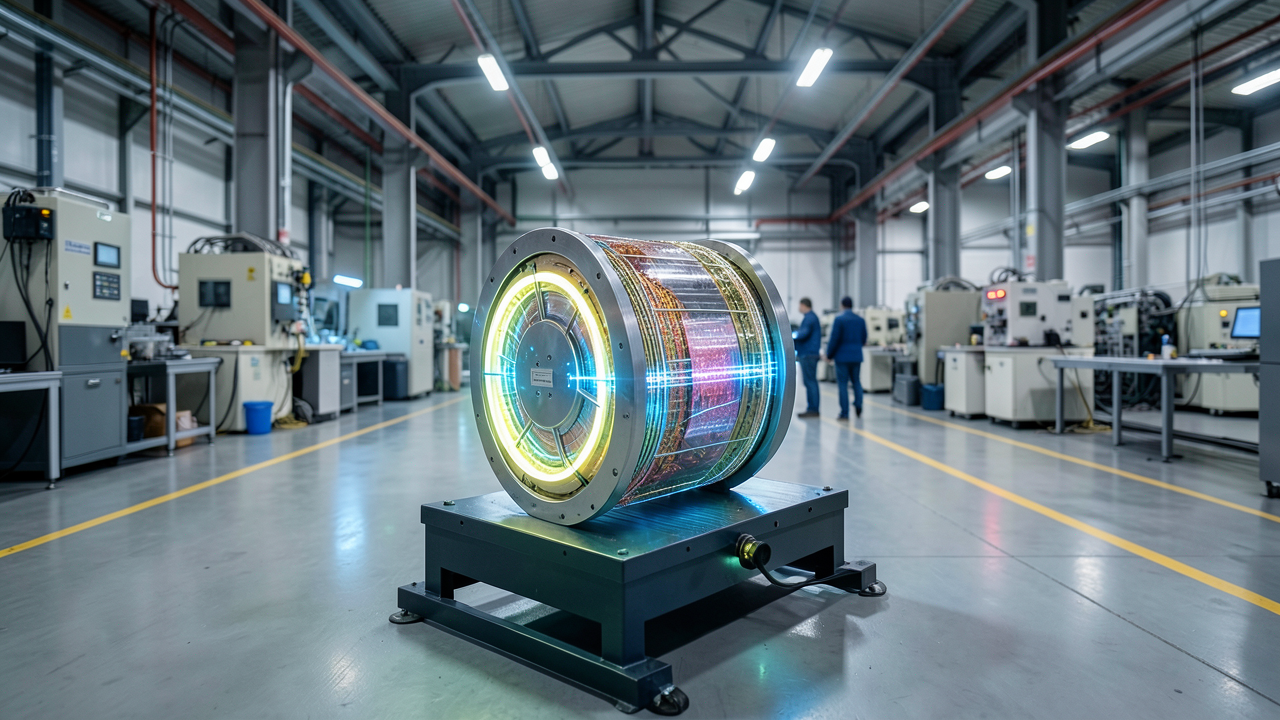
In early May 2026, CATL unveiled a groundbreaking sodium-ion cell with an energy density of 175 Wh/kg, simultaneously presenting a clear roadmap to achieve 200 Wh/kg in the future. This advancement signifies that sodium-ion batteries are approaching performance levels comparable to lithium-ion counterparts.
Technical Details
The announced sodium-ion cell achieves a practical energy density of 175 Wh/kg, providing sufficient performance for stationary energy storage systems and certain electric vehicle applications. CATL achieved this energy density by optimizing cathode materials such as layered oxides and Prussian blue analogs, and anode materials like hard carbon. The roadmap to 200 Wh/kg includes further progress in materials science and optimization of cell structures, aiming for performance and cost competitiveness equal to or surpassing lithium-ion batteries. Sodium is more abundant and less costly than lithium, ensuring greater supply chain stability and sustainability. Furthermore, its high thermal stability promises safer operation.
Background & Context
The global energy storage market is urgently seeking high-performance, low-cost, and sustainable battery technologies to support the expanding deployment of renewable energy and the growth of electric vehicles. While lithium-ion batteries are widely adopted, they face challenges with raw material supply constraints and price volatility for lithium, cobalt, and nickel. Sodium-ion batteries have accelerated R&D in recent years as a promising alternative, with Chinese companies actively driving their commercialization. CATL’s latest announcement represents a crucial technical milestone for sodium-ion batteries transitioning from R&D to large-scale commercialization.
Strategic Significance & Outlook
The announcement of sodium-ion cells achieving 175 Wh/kg and the roadmap to 200 Wh/kg will significantly impact the stationary energy storage market, potentially drastically reducing the cost of renewable energy integration. Cheaper and more stable power supply will facilitate grid stabilization and peak shifting. In the electric vehicle market, sodium-ion batteries could emerge as a new option, particularly for affordable vehicles and urban mobility. Under CATL’s leadership, sodium-ion batteries are expected to evolve further in the coming years and become one of the key technologies accelerating the global transition to clean energy.
Source: https://www.youtube.com/shorts/zrWWaL1wuhc
Get our weekly technology intelligence — free
Receive an infographic that lets you judge at a glance whether each field’s analysis report is worth reading.
Subscribe Free — Weekly Tech Intelligence
By subscribing, you’ll receive Troy-Technical’s weekly technology intelligence newsletter.
- Your email and selected fields are used only to deliver the newsletter.
- We never share your information with third parties.
- You can unsubscribe anytime via the link in each email.
See our Privacy Policy for details.
Takes about a minute · Unsubscribe anytime








Comments